

Blog: Insights & Updates
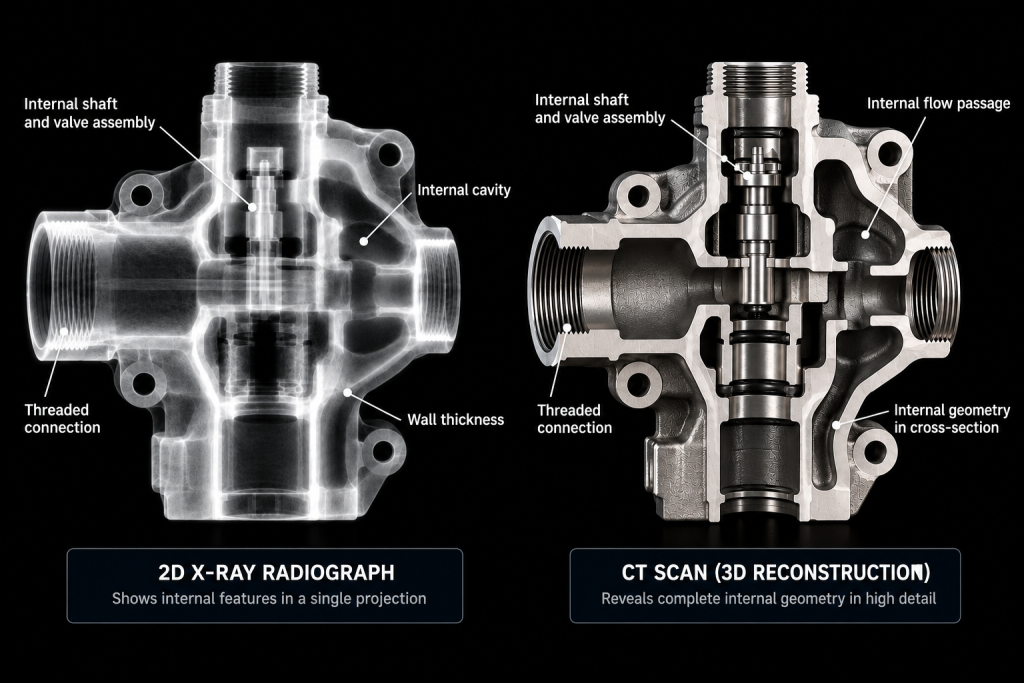
A supplier certificate of conformance confirms that a part was produced to specification on paper.
3 minutes read
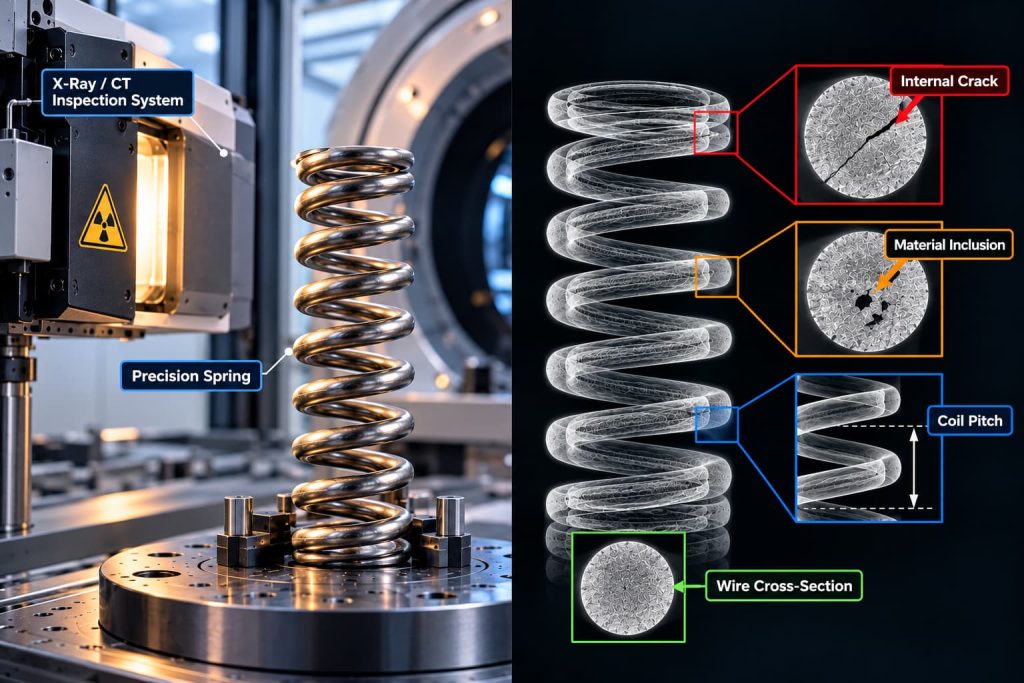
Precision springs appear across automotive, aerospace, and general industrial equipment in roles where a single failed coil can disable an entire assembly, yet they are among the hardest components to inspect reliably using conventional methods.
3 minutes read
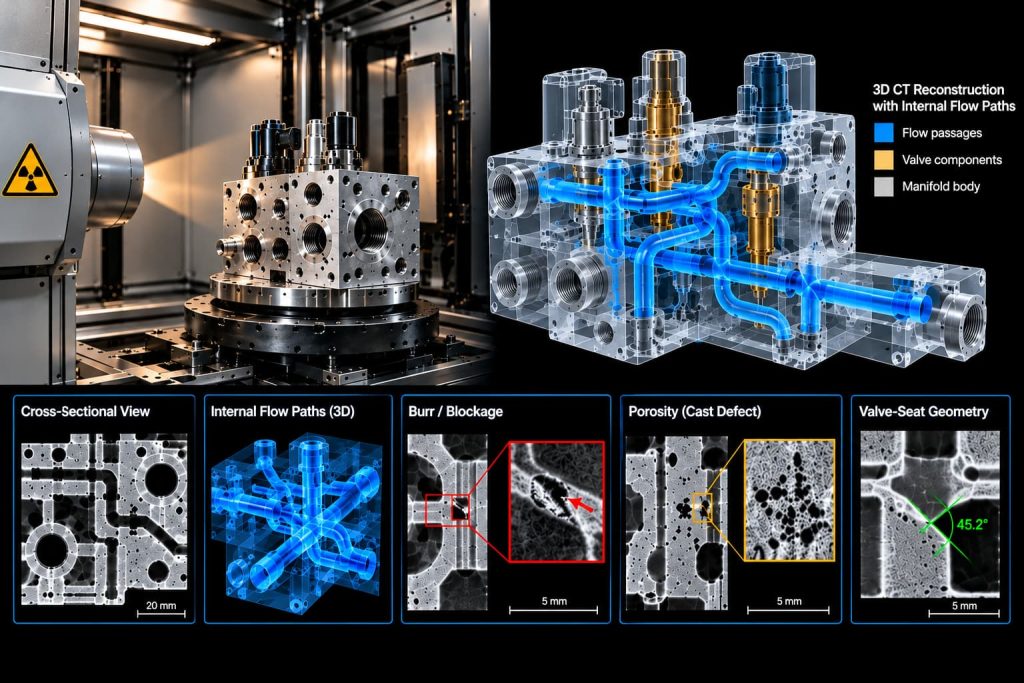
A hydraulic manifold can pass a pressure test and still fail in service weeks later, once a burr loosened by flow erosion finally breaks free and lodges in a downstream valve seat.
3 minutes read
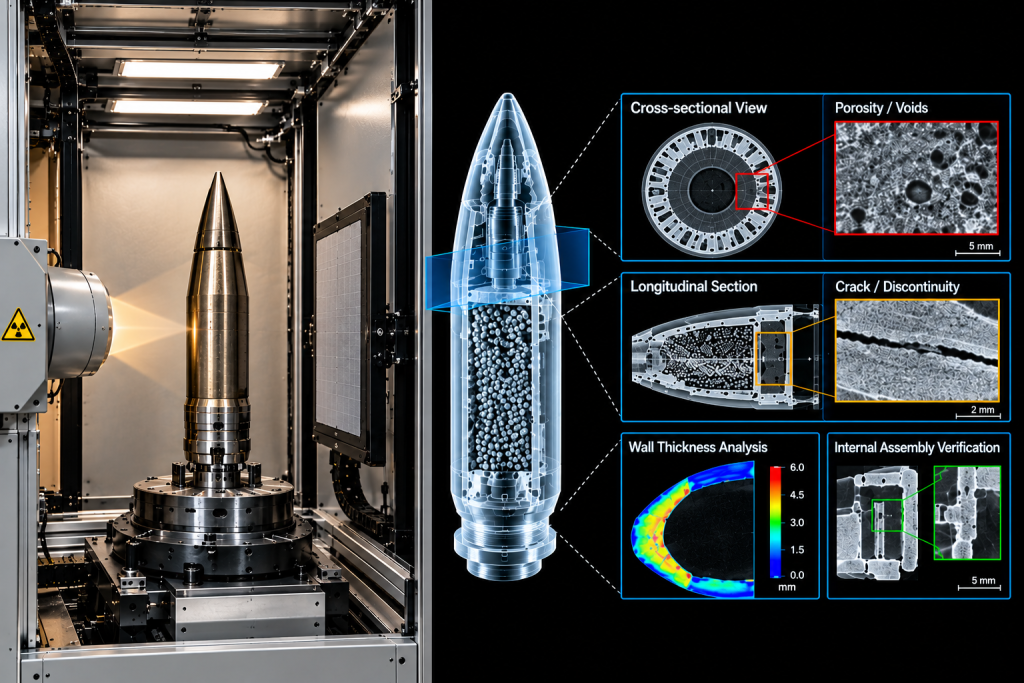
Defense manufacturing carries a margin for error that most industries do not share.
3 minutes read
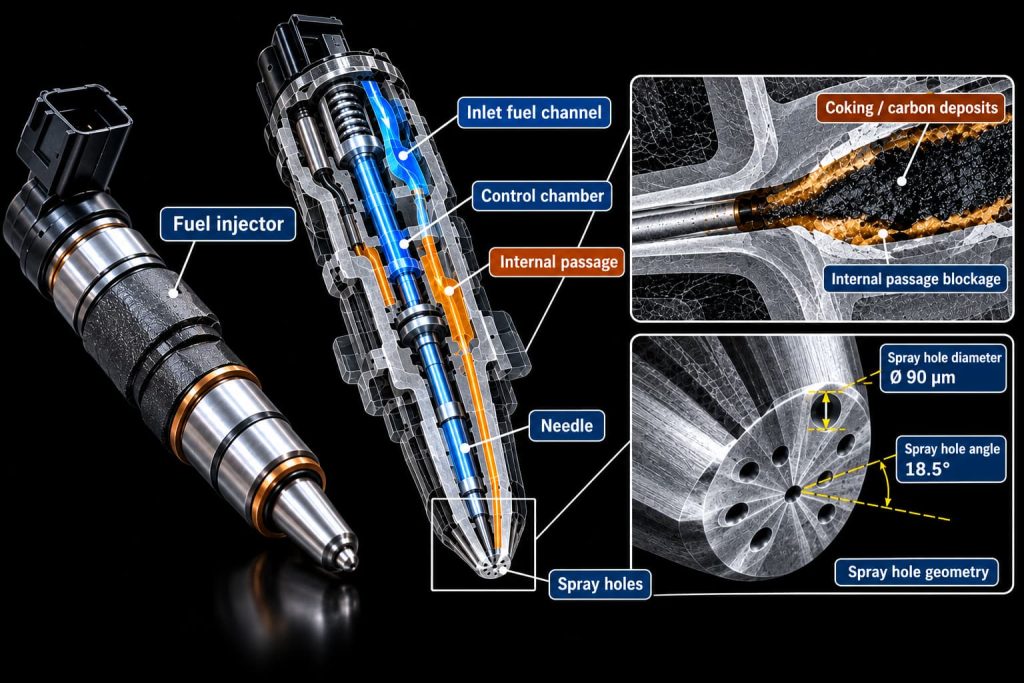
A fuel injector can leave the production line within specification and still fail early in service, losing spray precision as coking deposits build up inside its nozzle.
3 minutes read
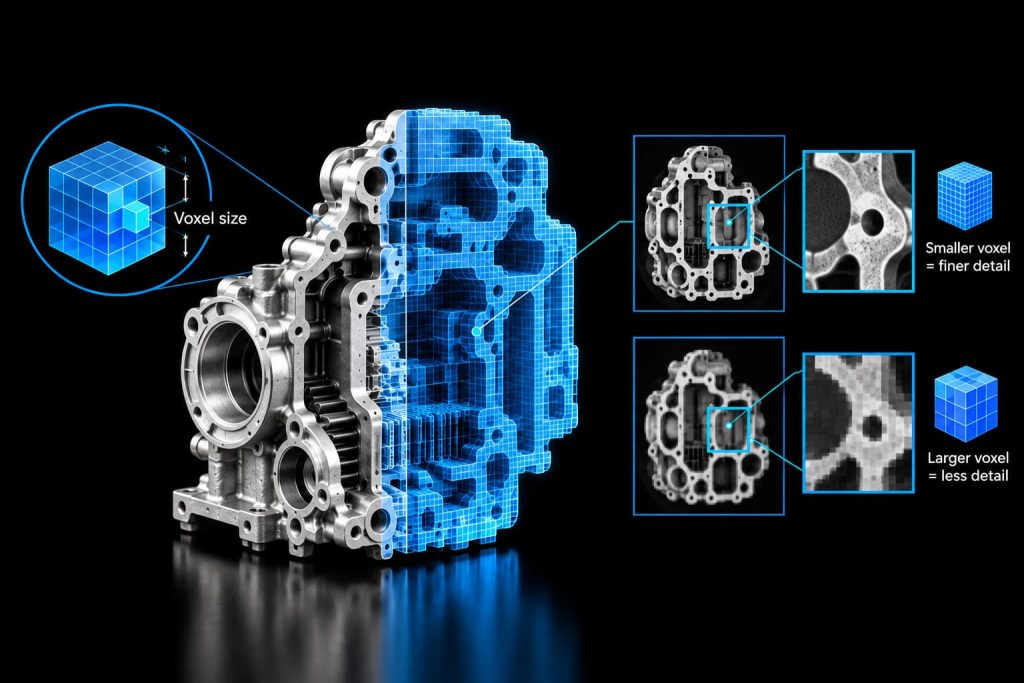
CT scan resolution is the smallest feature a CT system can distinguish within a reconstructed volume, and it is defined most directly by voxel size, the dimension of a single three-dimensional pixel in the scan data.
4 minutes read
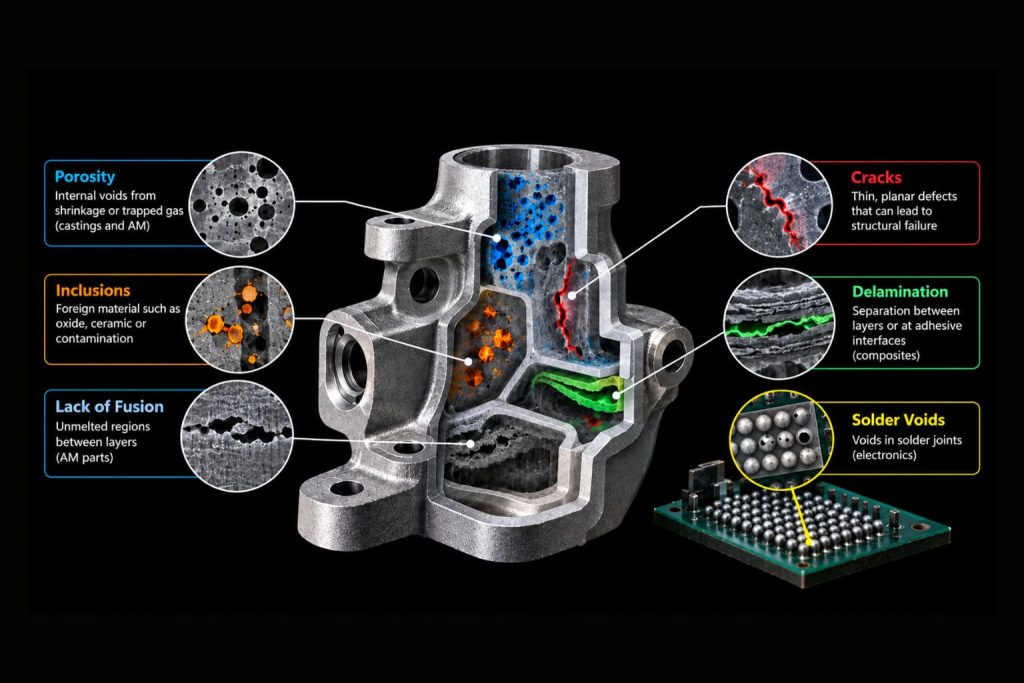
Defects detected by CT scanning span a wide range of internal conditions, and no two defect types share exactly the same origin, appearance, or detection requirement.
4 minutes read
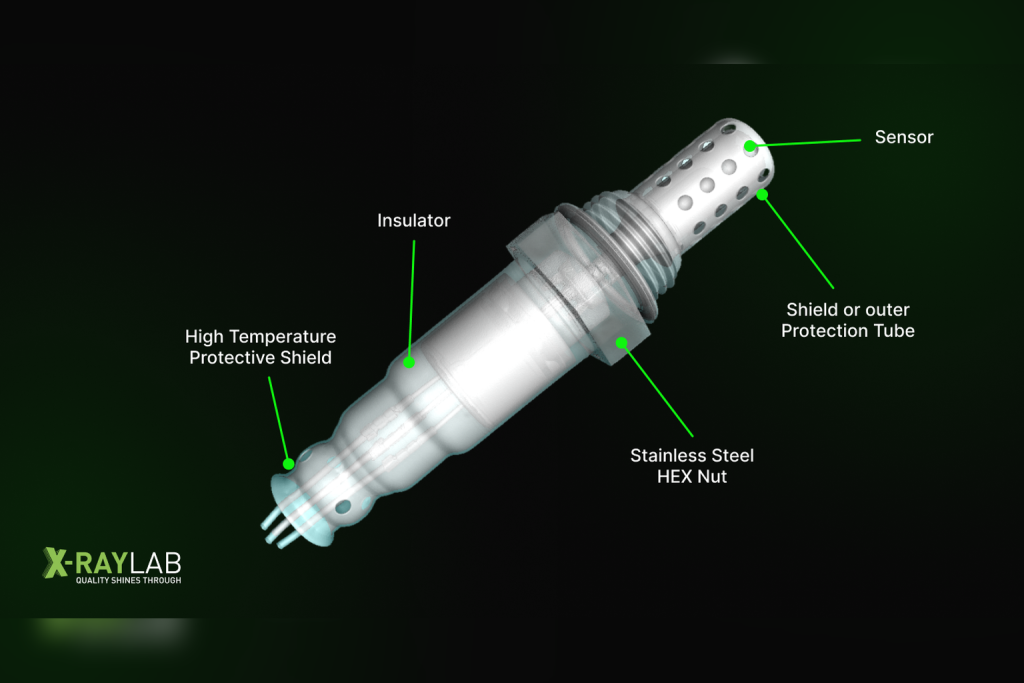
A lambda sensor, also known as an oxygen sensor, is one of the smallest and most tightly packed assemblies in a modern vehicle’s exhaust system
5 minutes read
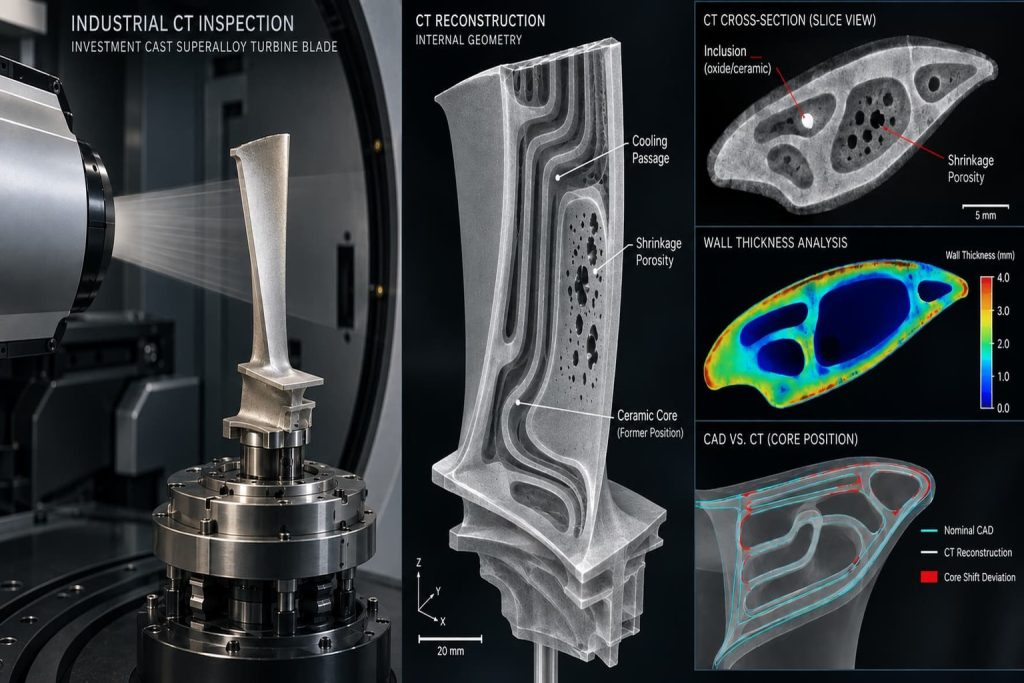
Investment casting is the process behind some of the most demanding components in aerospace and power generation, including turbine blades, vanes, and structural brackets cast from nickel and cobalt superalloys.
3 minutes read
