

Blog: Insights & Updates
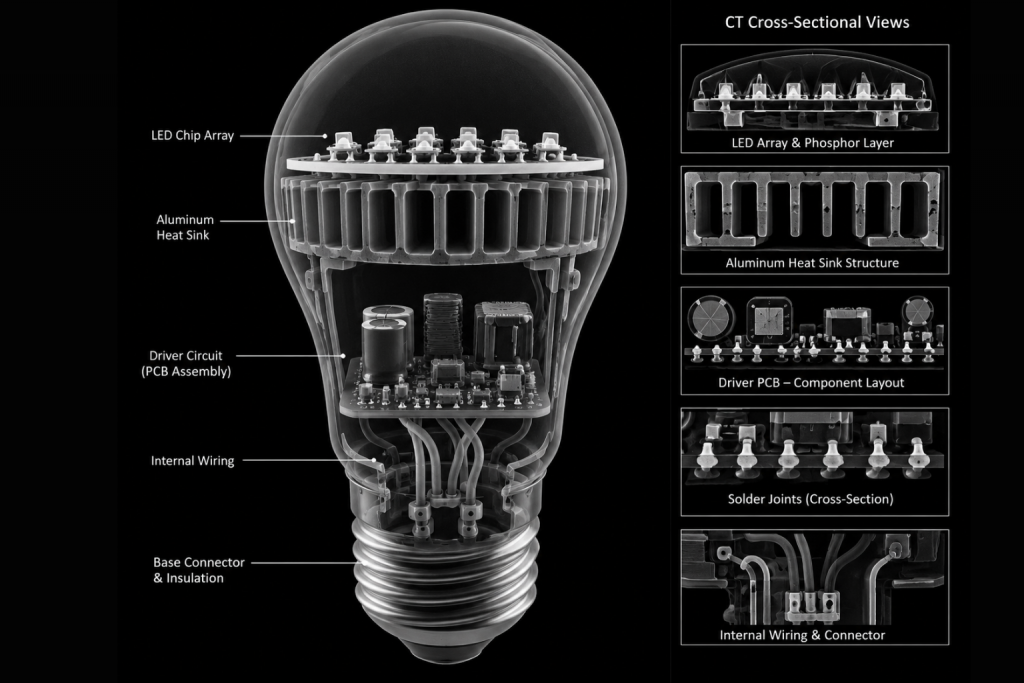
At first glance, an LED bulb appears to be a straightforward electronic product. Compact housing, a driver circuit, LEDs, and a heat sink all packaged into a lightweight assembly.
5 minutes read
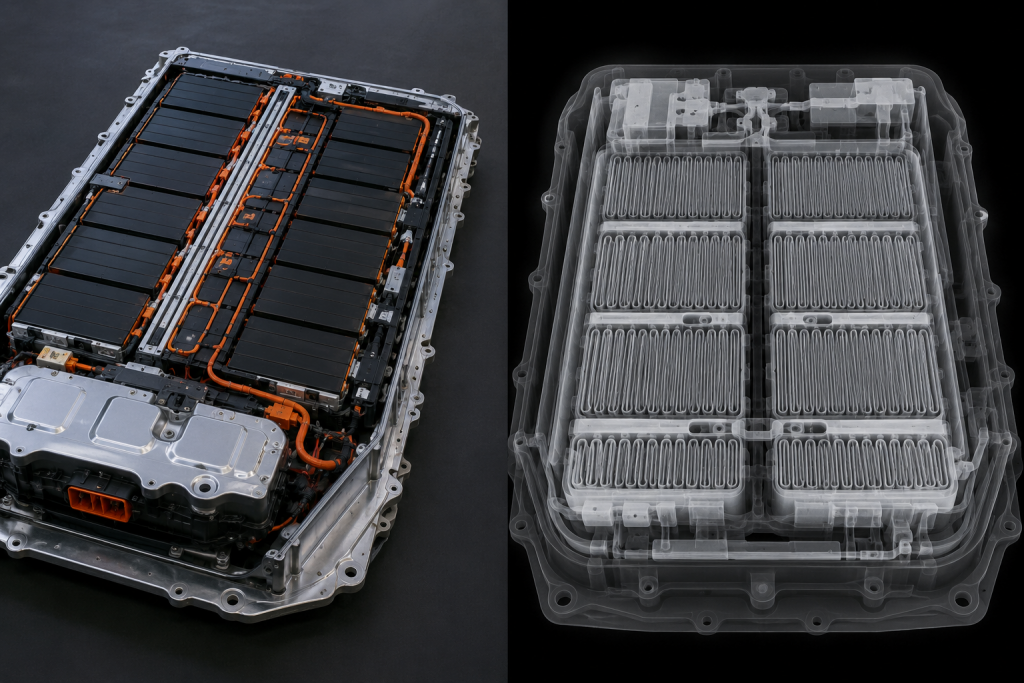
The rapid expansion of electric vehicles has transformed manufacturing standards across the automotive industry.
5 minutes read
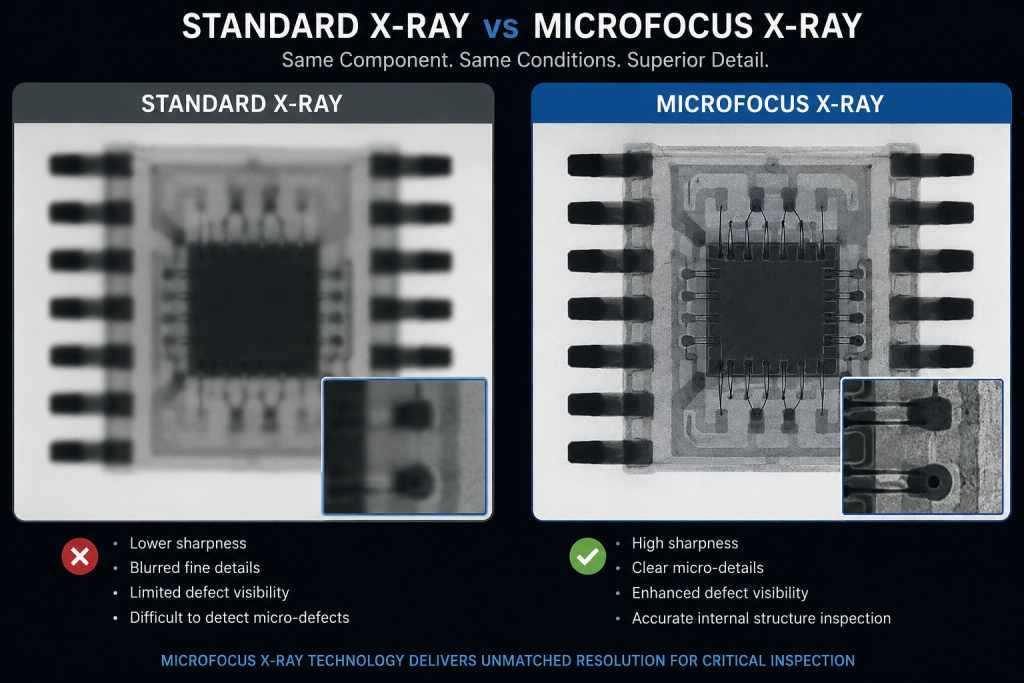
Microfocus X-ray technology is a high-precision imaging method used in modern non-destructive testing (NDT) to inspect the internal structure of components without damaging them.
4 minutes read
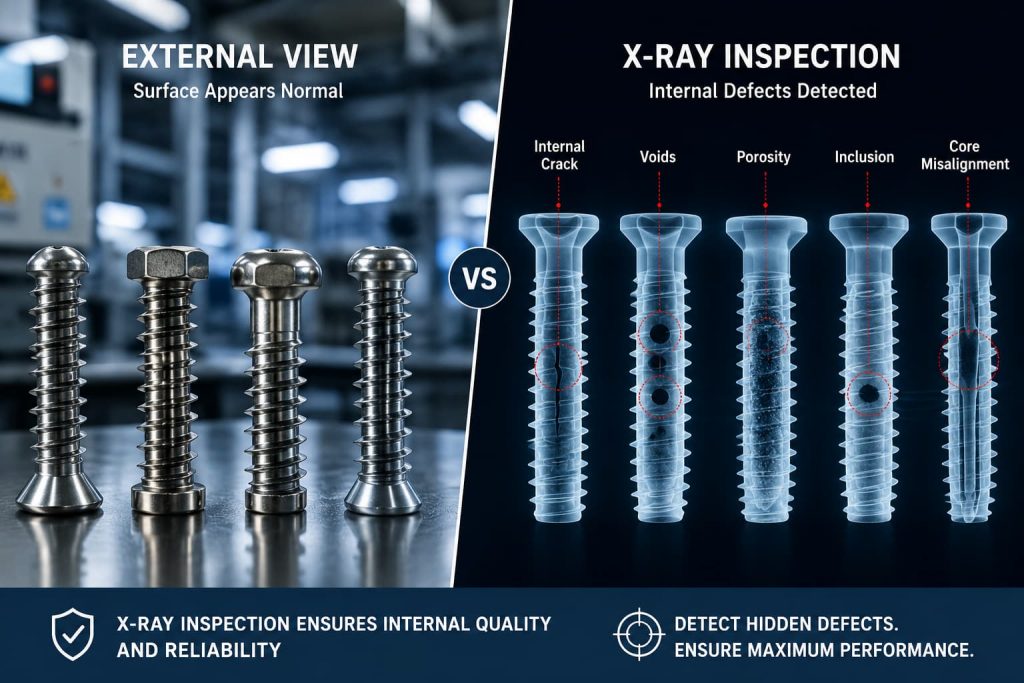
X-ray inspection of screws plays an important role in quality control where fastening reliability directly impacts product performance and safety.
3 minutes read
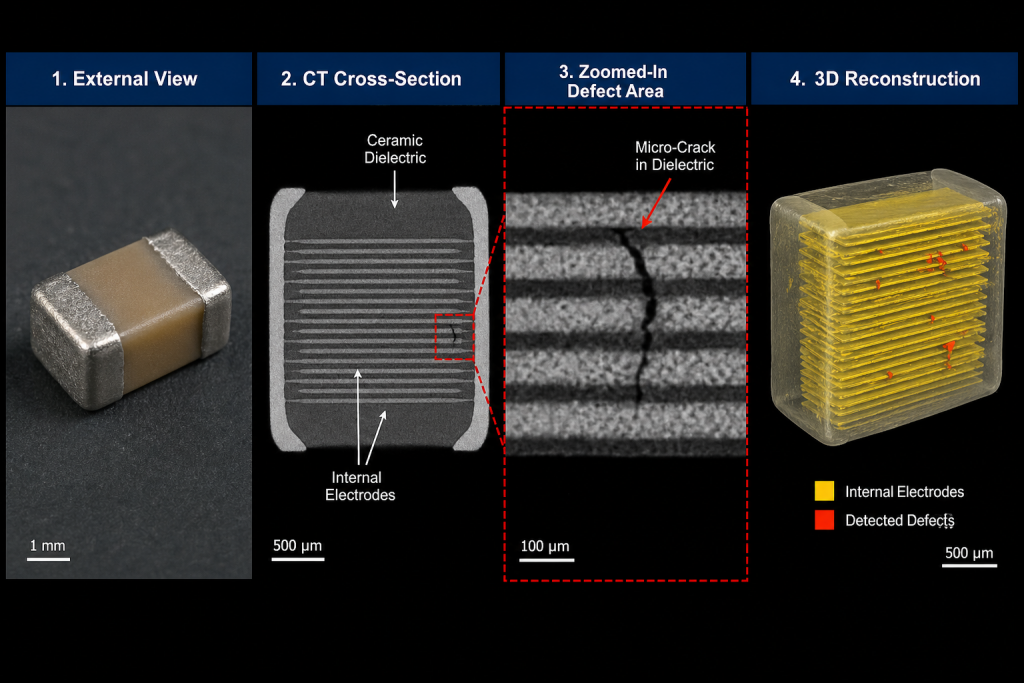
CT inspection of ceramic components is redefining how manufacturers approach quality assurance in modern electronics.
4 minutes read
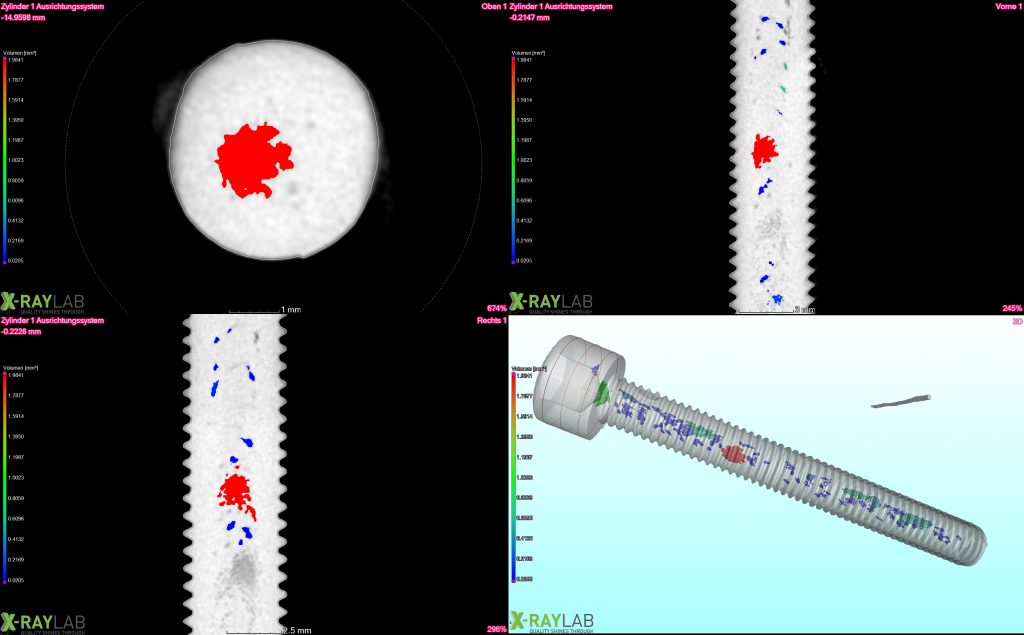
CT inspection of aerospace fasteners is critical because even the smallest defect can compromise structural integrity.
4 minutes read
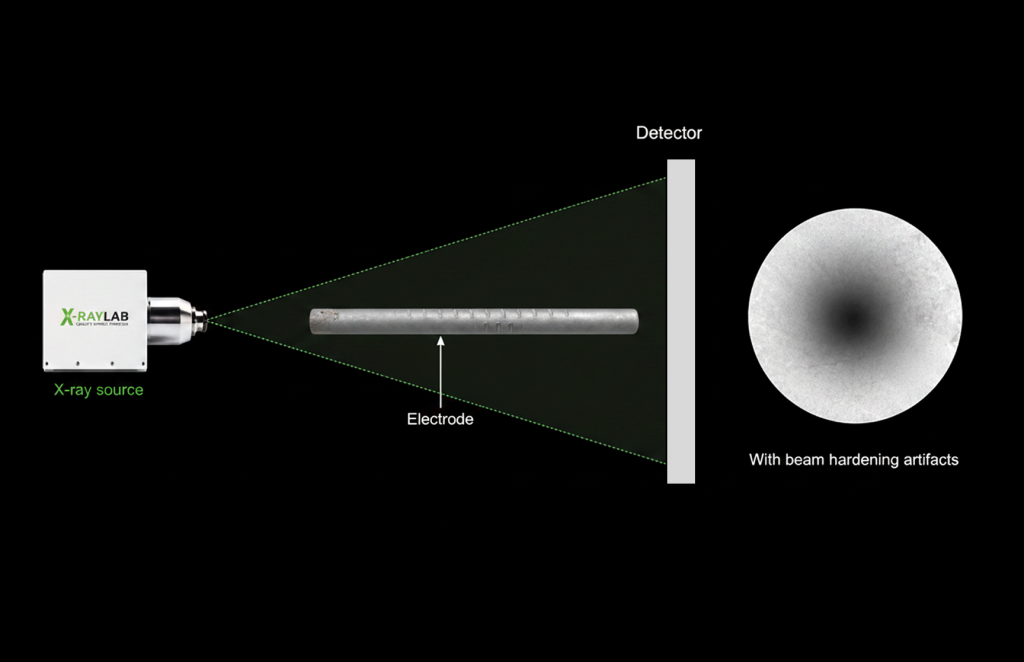
CT artifacts or industrial CT image errors are a critical yet often underestimated challenge in industrial computed tomography.
4 minutes read
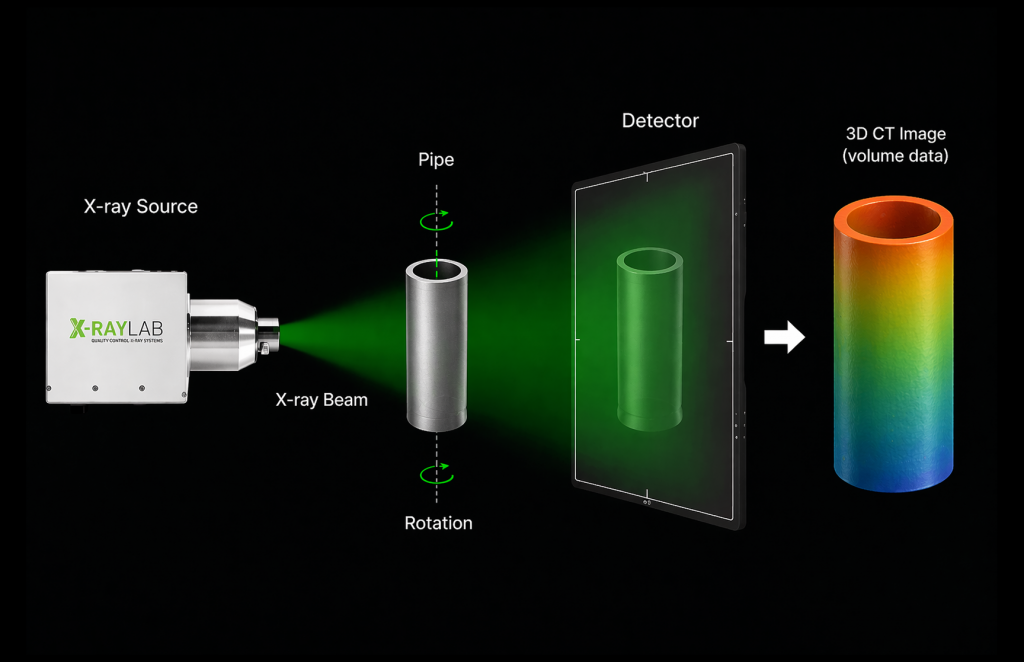
Wall thickness analysis is a critical part of modern industrial inspection, especially where components must maintain strength, durability, and dimensional accuracy.
4 minutes read
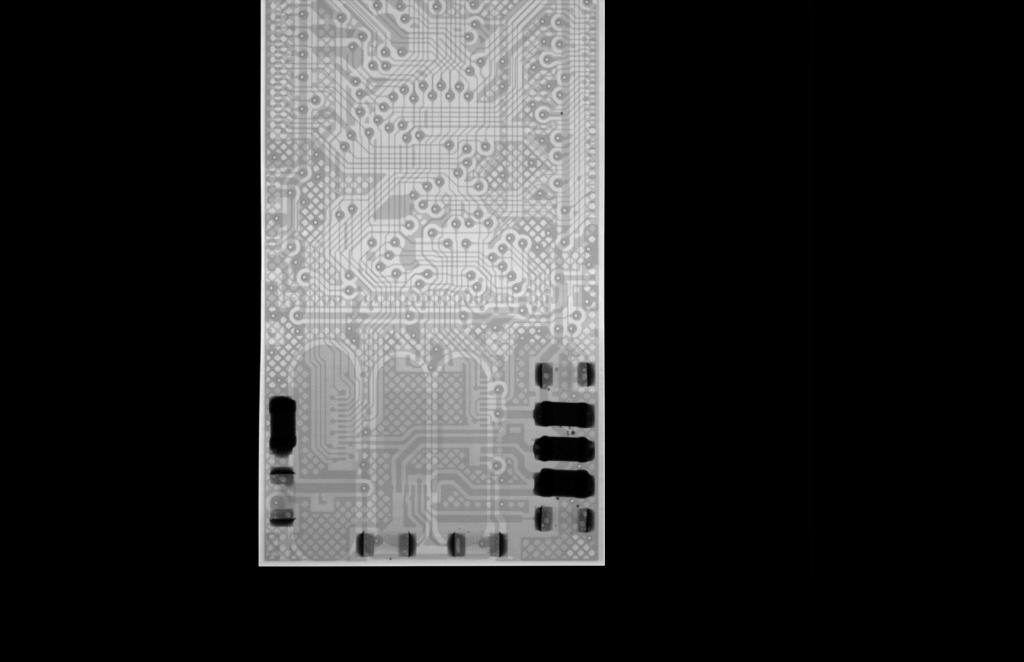
A memory stick is something almost everyone uses—small, portable, and essential for storing important data.
4 minutes read
