

Blog: Insights & Updates
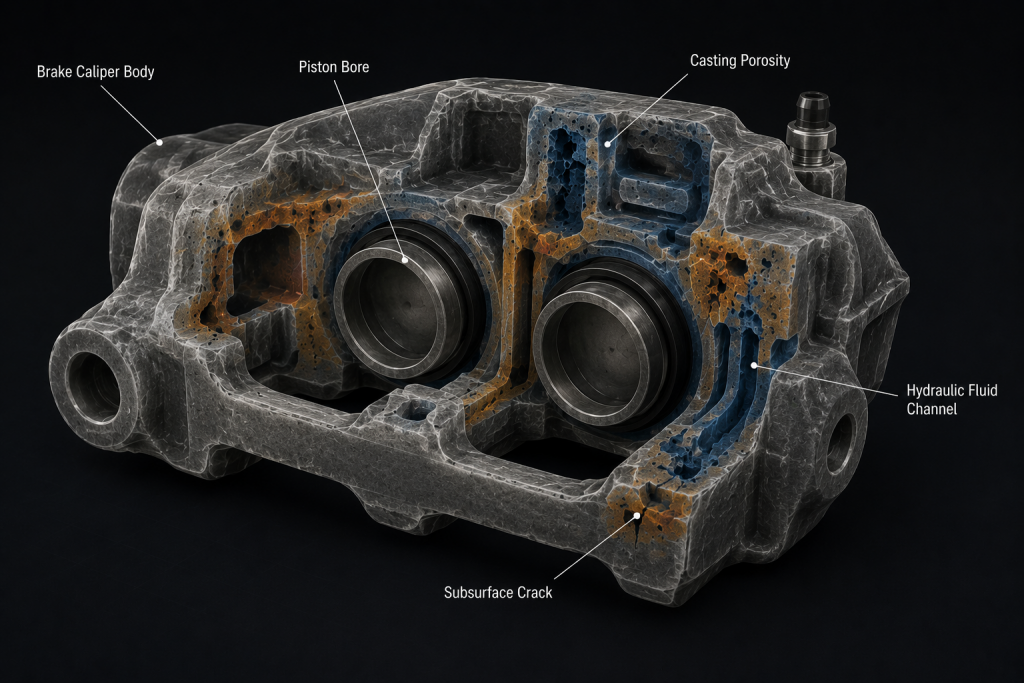
Few automotive components carry as much direct safety responsibility as the brake caliper.
3 minutes read
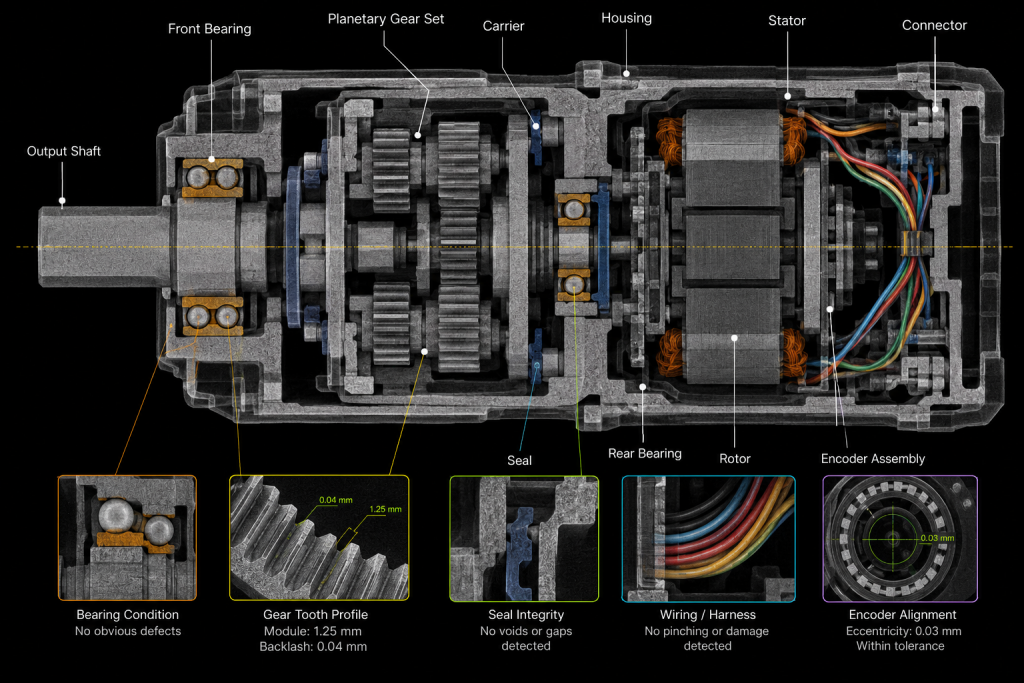
A robotic actuator looks simple from the outside: a compact housing, a motor, and a shaft that rotates or extends.
3 minutes read
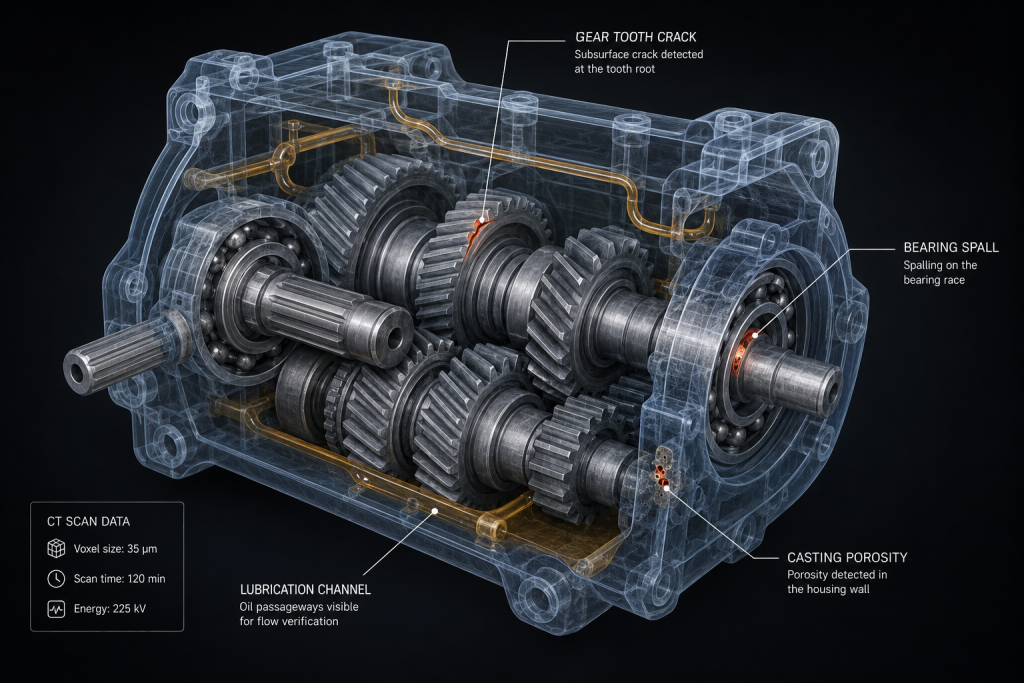
By the time a gearbox starts making noise or vibrating noticeably, the underlying defect has usually been developing for some time.
3 minutes read
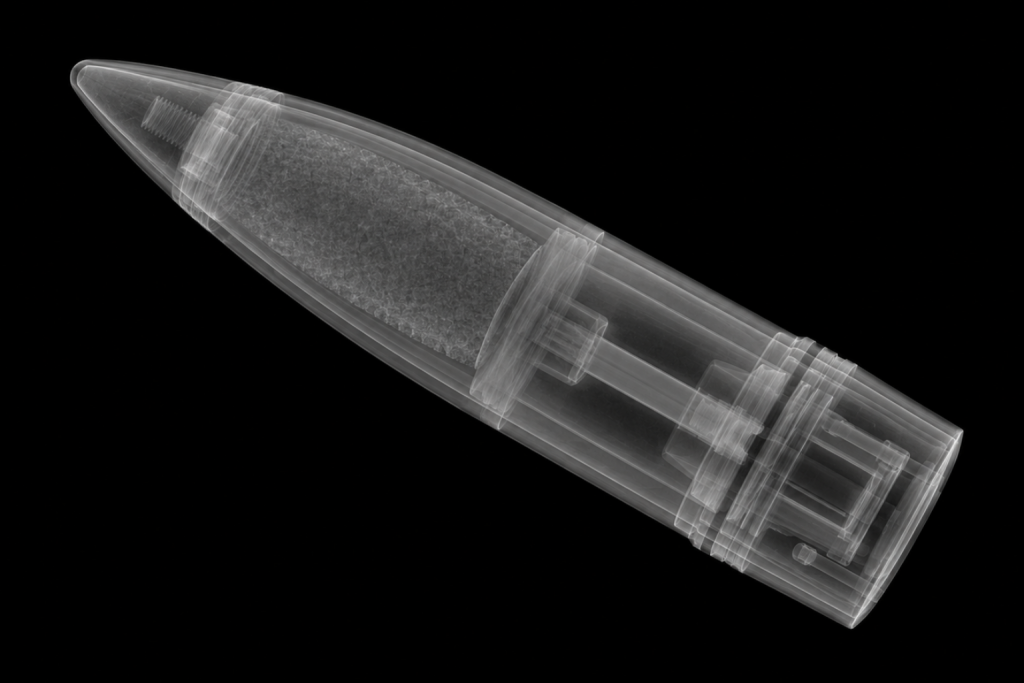
nvesting in an industrial CT system capable of inspecting high-density components, whether powered by a Micro-focus or Mini-focus X-ray source, represents a significant capital outlay.
4 minutes read
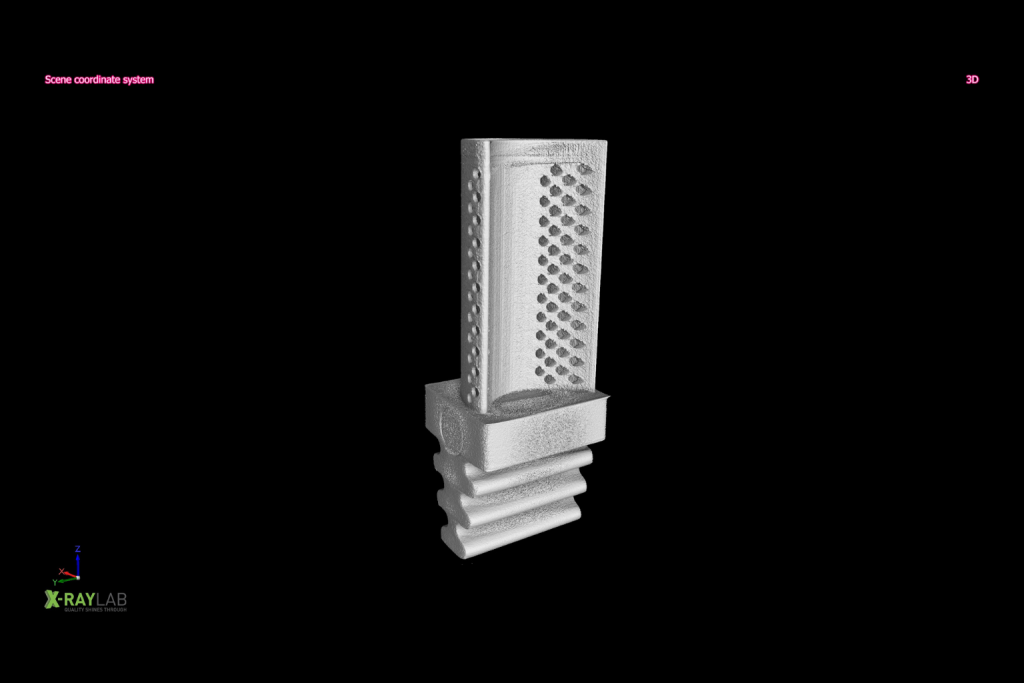
Aerospace components are becoming lighter, stronger, and increasingly complex.
3 minutes read
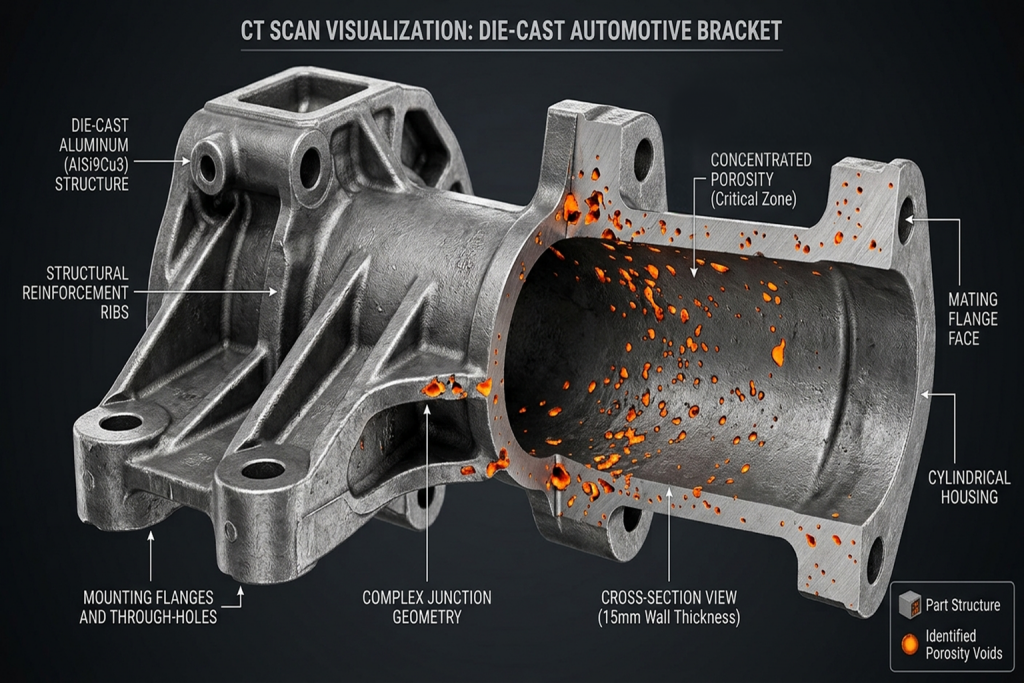
Aluminum die castings form the core of modern vehicle architecture; subframes, control arms, battery enclosures, and structural brackets are increasingly cast…
4 minutes read
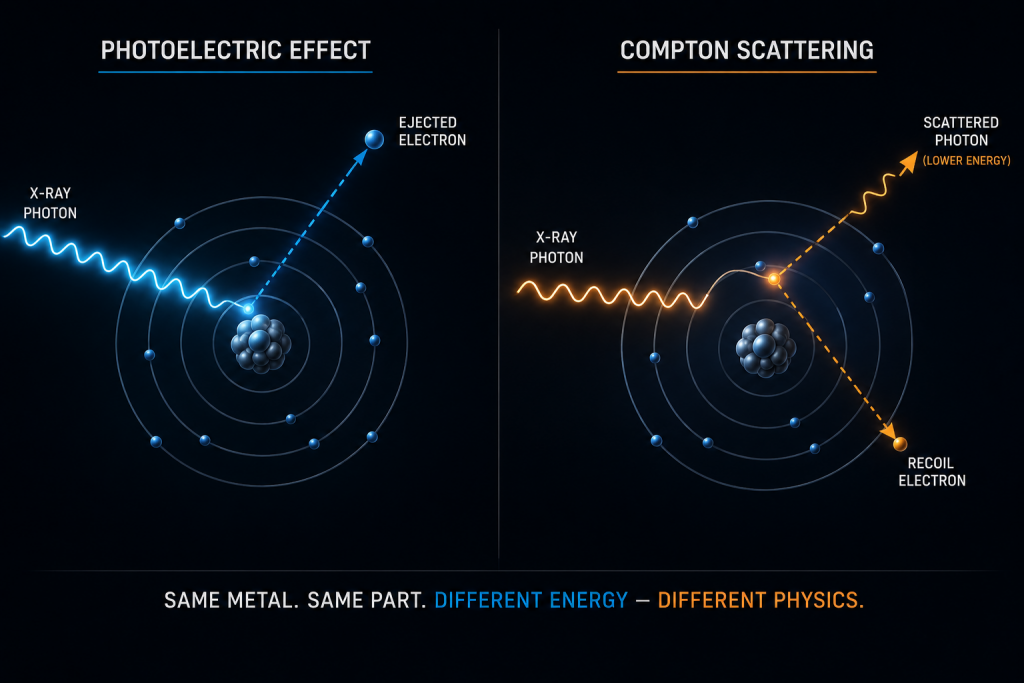
Consider a single X-ray photon emitted from the source, passing through steel, aluminum, titanium, or a multi-material assembly that requires non-destructive inspection.
4 minutes read
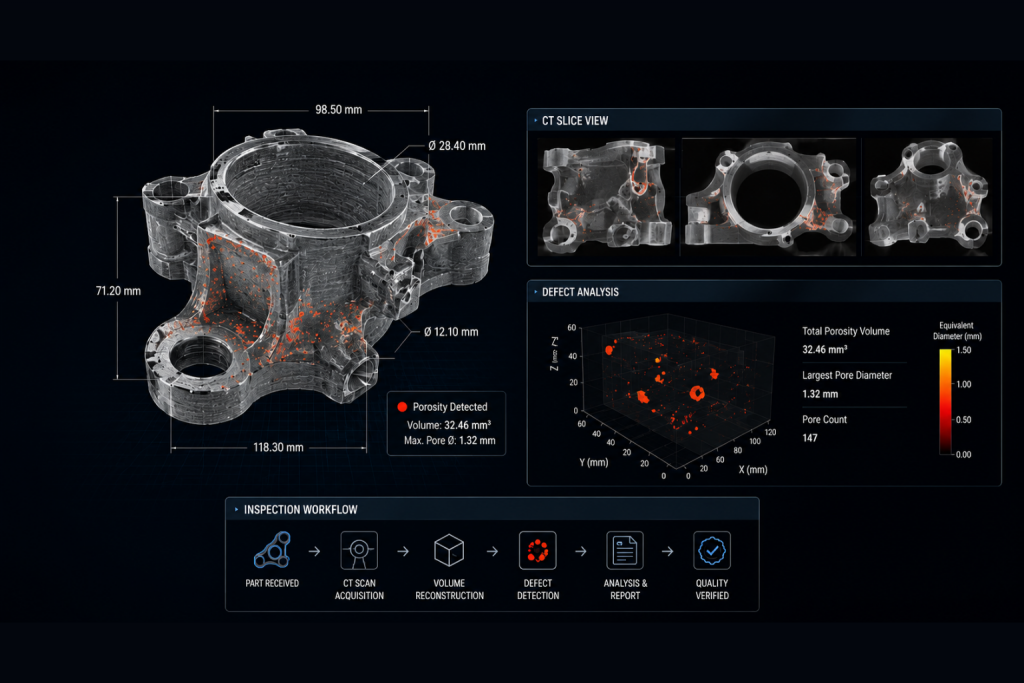
Most manufacturers who contact an X-ray inspection lab for the first time arrive with the same request: “We need to inspect these parts.”
6 minutes read
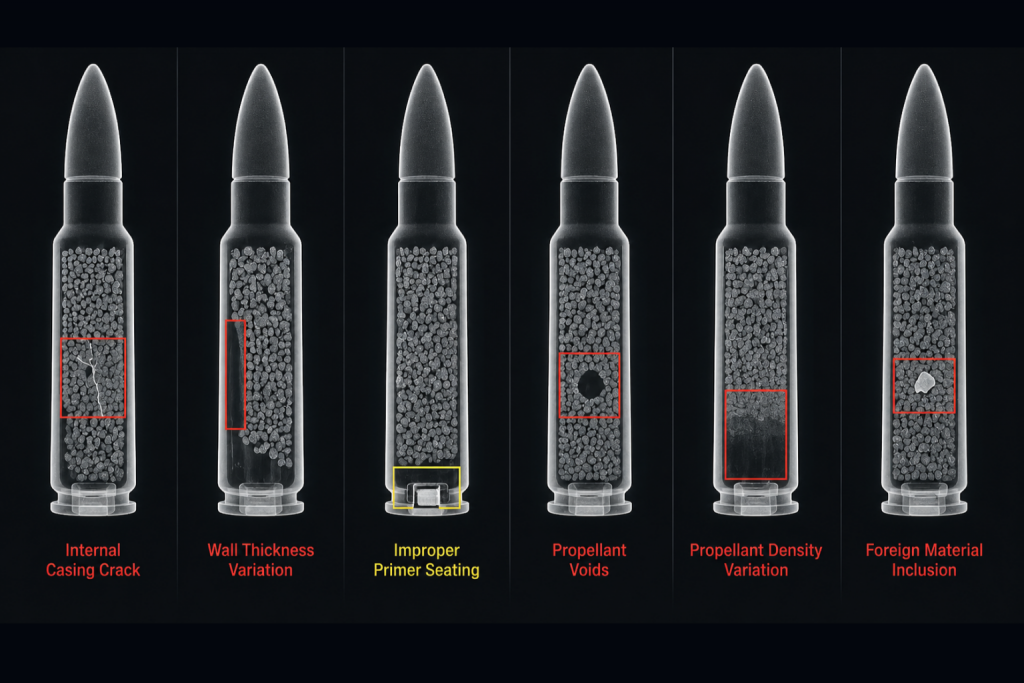
A hidden defect inside ammunition or a defence component can cause mission failure, equipment damage, safety risks, or costly non-compliance with military standards.
5 minutes read
