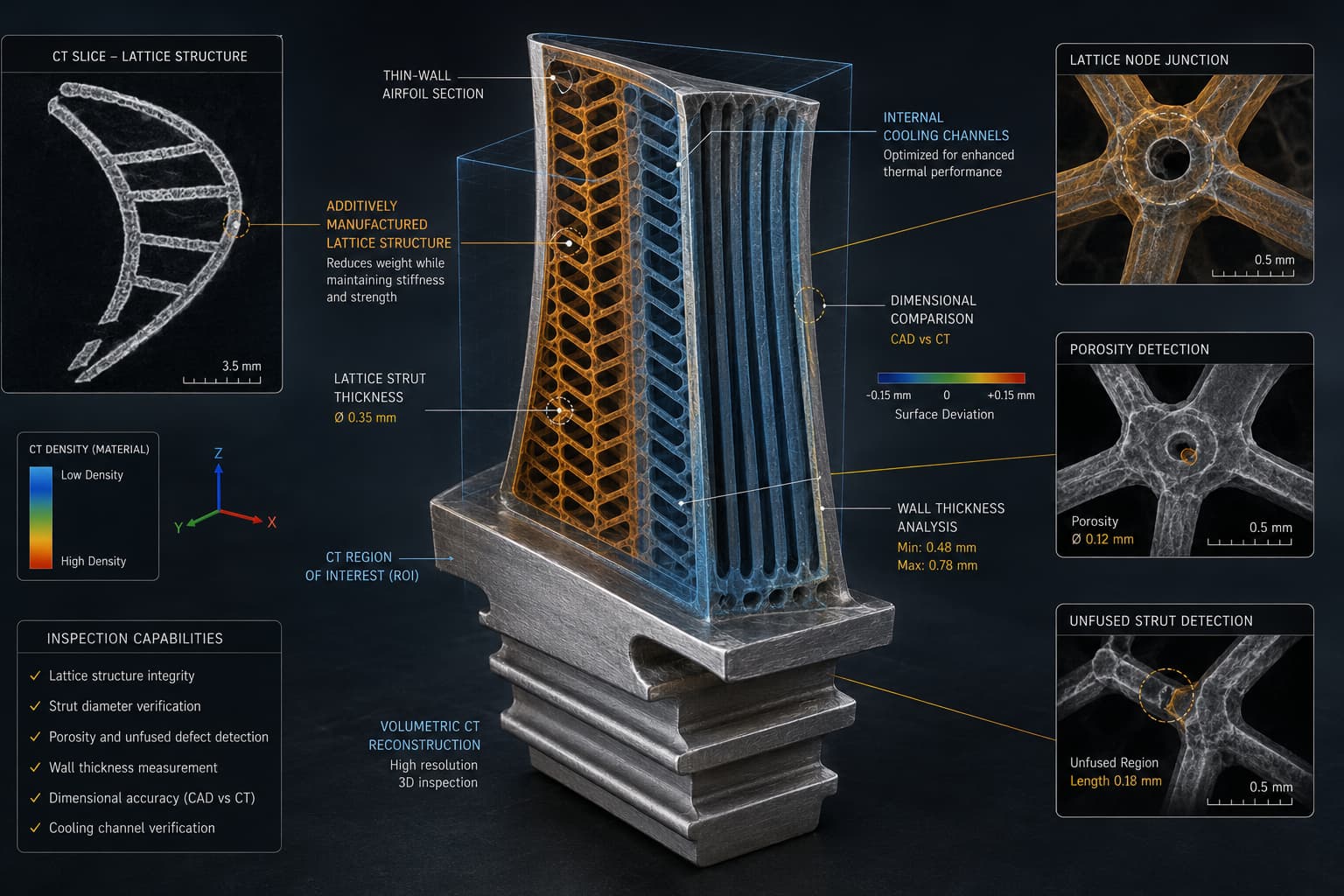
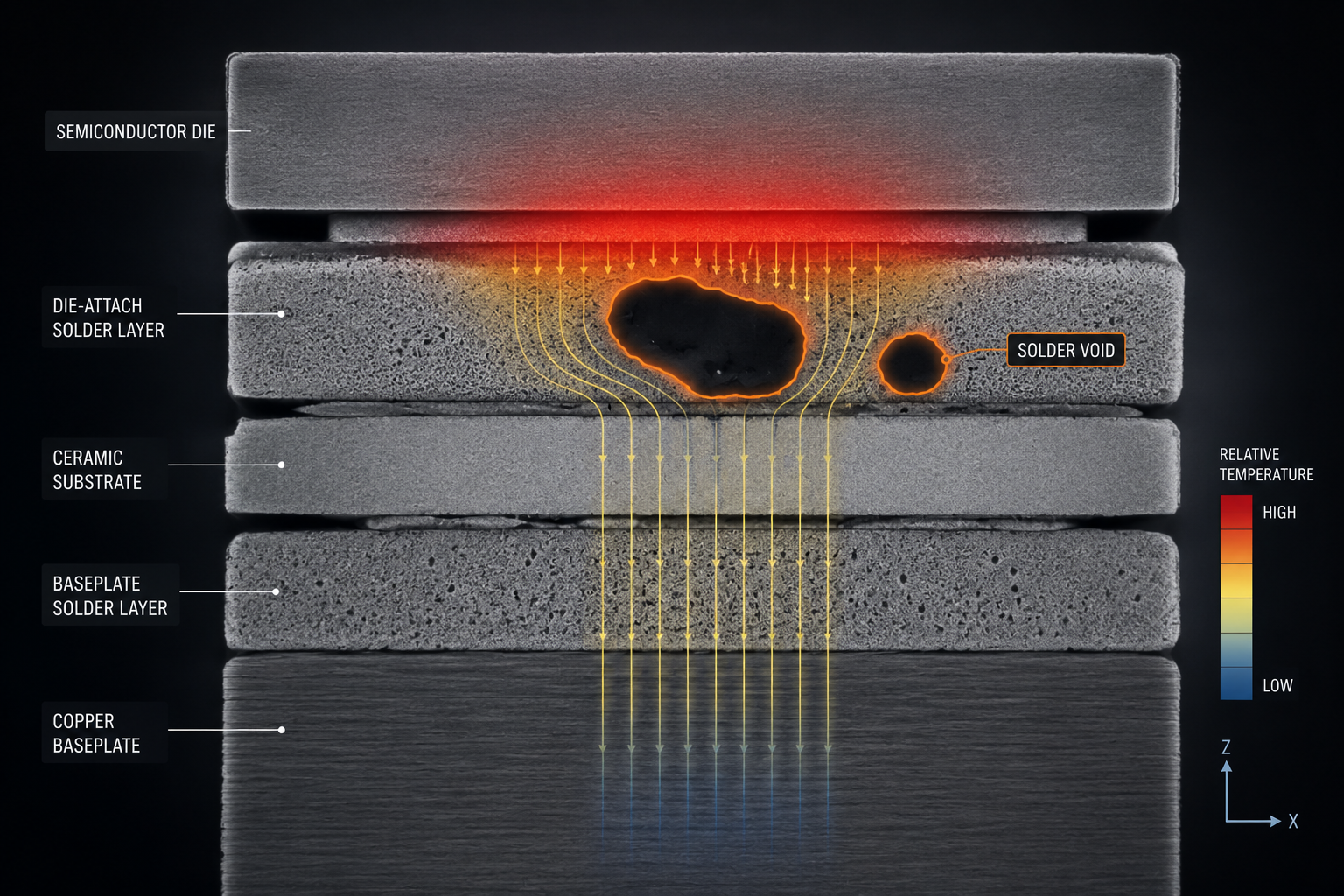
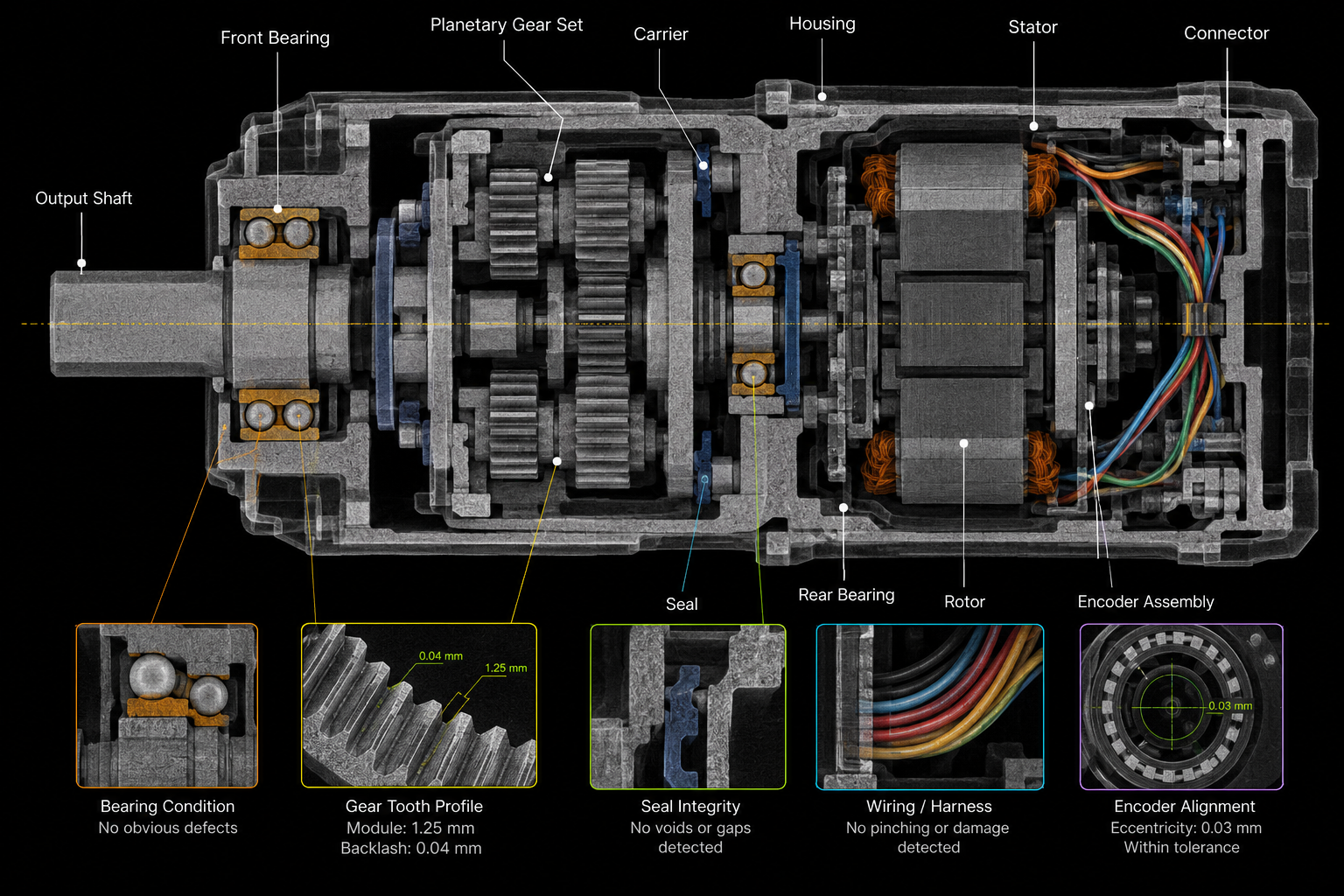
X-ray inspection of screws is essential in quality control, especially when there are cases where the performance of screws influences the function and safety of products. Despite being small mechanical parts, any minor imperfection found internally may decrease the strength of the screw, causing it to fail during use. While surface inspection techniques may detect external defects, X-rays allow manufacturers to examine the entire structure of the screw without damaging the screw.
With NDT machines, it becomes easy for the manufacturer to conduct inspections on the screw with high accuracy. It uses high resolution to detect hidden imperfections that would have been undetectable using traditional techniques.
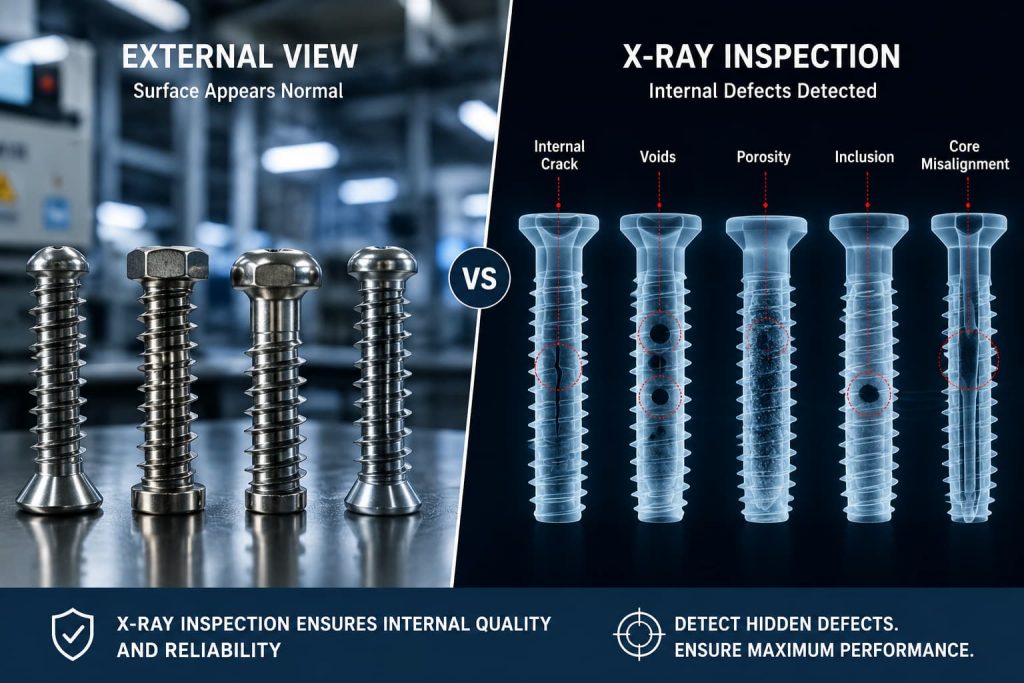
Why Internal Screw Inspection Matters
Screws are subject to various pressures, torques, vibrations, and other environmental stresses after assembly. In case there are any flaws internally in the screws, they could crack, and cause issues within the entire system. Inspection of screws by x-rays will assist manufacturers in recognizing defects that are present before production begins.
The most common defects identified through the inspection process include:
- Internal cracks
- Voids and air pockets
- Material inconsistencies
- Core misalignment
- Incomplete thread formation
- Porosity inside the screw structure
- Heat treatment defects
Early detection of these defects will assist in reducing manufacturing losses and maintaining quality control standards.
For more info read the blogpost on X-Ray Inspection for Micro-Mechanical Components: Springs, Fasteners, and Precision Parts
How X-ray Inspection of Screws Works
This technique starts by positioning screws within an X-ray inspection chamber. X-rays are then allowed to penetrate the material as the detector records the differences in density. The output is a complete visualization of the interior structure, making it possible for the inspector to detect any defects easily.
The process typically includes:
- Positioning the screw for imaging
- Generating high-resolution X-ray scans
- Capturing internal structural details
- Analyzing defects through digital software
- Approving or rejecting components based on inspection criteria
The image below shows how X-ray scanning reveals internal cracks that are completely invisible from the outside surface.
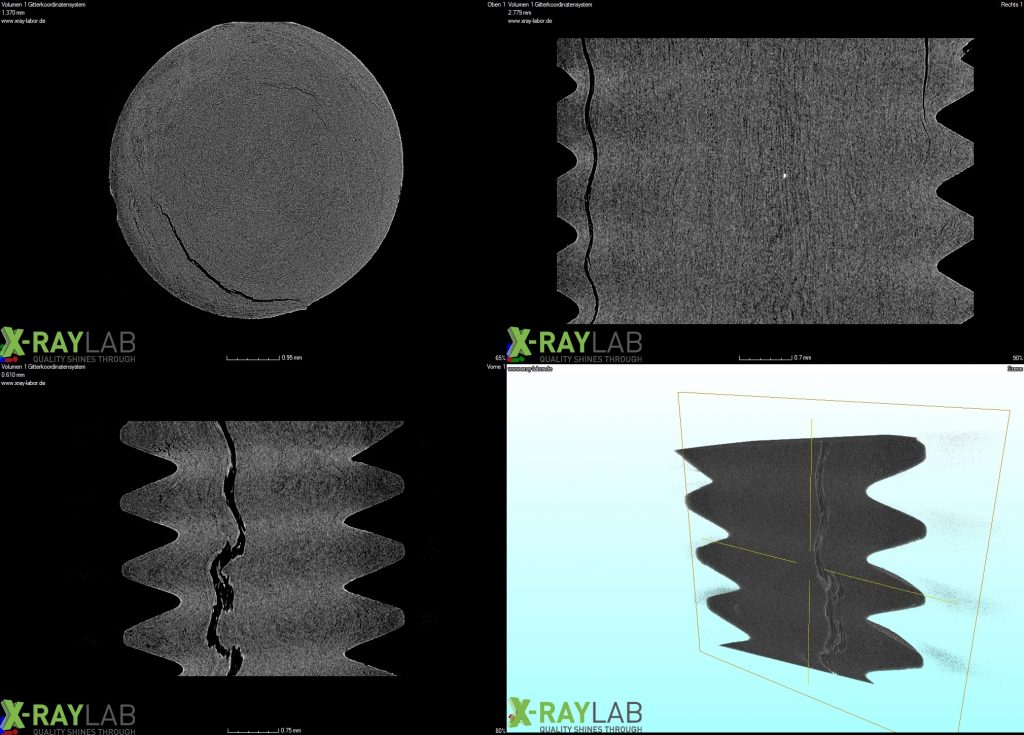
Internal X-ray Cross-Section of Screw Revealing Hidden Cracks and Structural Defects
Modern X-ray systems can inspect screws rapidly, making the process suitable for both laboratory analysis and production-line quality control.
Key Advantages of X-ray Inspection
There are some strengths that come from using X-rays for examination over traditional methods. This is because the technique itself is entirely non-invasive, which means that the screws themselves will be functional even after going through the examination process.
Major advantages include:
- Non-destructive internal evaluation
- Accurate defect detection
- High-resolution imaging capabilities
- Faster quality control processes
- Reduced manufacturing failures
- Improved product safety
- Reliable and repeatable inspection results
These benefits help manufacturers maintain consistent quality while reducing operational risks and maintenance issues.
What X-ray Images Reveal Inside Screws
X-rays offer an excellent view of the interior workings of a screw. Designers are able to study the density pattern, thread quality, and general uniformity of the screw from the head to the tip. With such precision, even microstructural faults can be detected.
X-ray images commonly reveal:
- Fine cracks near stress points
- Uneven material distribution
- Internal porosity
- Structural deformation
- Manufacturing inconsistencies
- Hidden fractures beneath the surface
This level of inspection supports better decision-making during quality assurance and production optimization.
Advanced CT-based imaging allows engineers to reconstruct the full geometry of screws in 3D for deeper defect analysis.
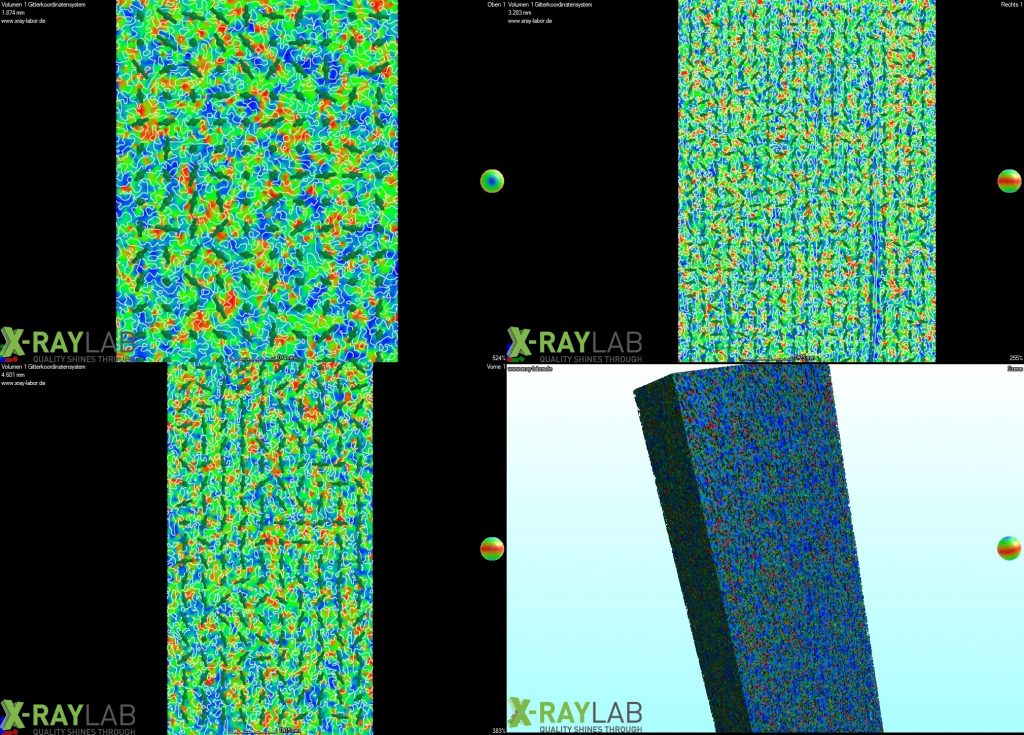
3D X-ray Reconstruction of Screw Geometry for Internal Structure Analysis
The Role of X-ray Inspection in Quality Control
Current manufacturing demands increased accuracy, tighter tolerances, and greater reliability. A faulty screw is enough to impact the efficiency of a whole assembly unit, which may result in loss of production time, repairs, and other safety considerations. The role of x-rays in the quality control process allows manufacturers to enforce stringent standards.
The color-mapped density analysis highlights even minor variations in material consistency across the screw body.
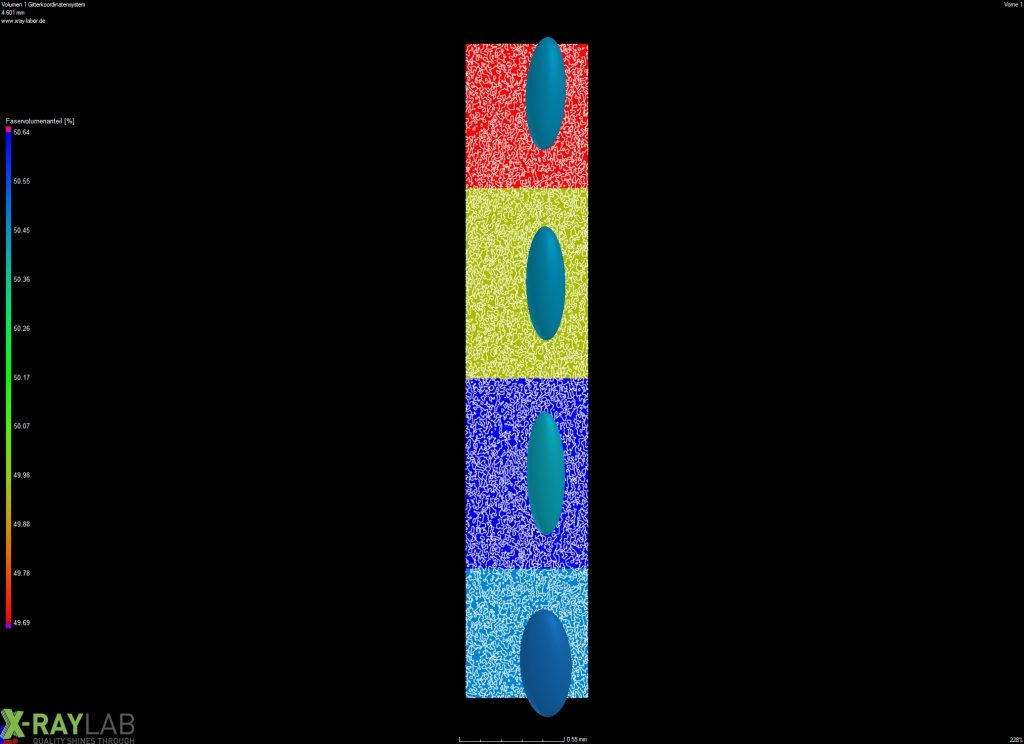
Material Density Mapping of Screws Showing Internal Variations and Porosity Zones
Read the blog post: NDT for Multi-Material Assemblies: Ensuring Bonding Quality and Structural Integrity
By integrating X-ray inspection into quality assurance workflows, manufacturers can:
- Improve consistency in production
- Reduce defective parts reaching assembly lines
- Minimize product recalls
- Enhance operational safety
- Increase customer confidence in product quality
As manufacturing technologies continue to advance, X-ray inspection remains one of the most effective solutions for internal component analysis.
Why XRAY LAB Supports Advanced Screw Inspection
The innovative X-ray inspection equipment at XRAY LAB is geared toward helping manufacturers attain efficient and precise detection of defects on screws and precision fasteners. The use of high-resolution imaging enables the examination of details within the screw in an environment that provides quick inspection.
Xray Lab meets manufacturer’s needs expertise in non-destructive testing along with the latest in imaging technology.
Frequently Asked Questions
What is X-ray inspection of screws?
X-ray inspection is a non-destructive testing method used to identify internal defects inside screws without damaging them.
What defects can X-ray inspection detect?
It can detect cracks, voids, porosity, density variations, inclusions, and internal structural inconsistencies.
Does X-ray inspection damage screws?
No, the process is completely non-destructive and does not affect the screw’s usability.
Why is internal inspection important for screws?
Internal defects can weaken screws and lead to mechanical failure during operation.
What makes X-ray inspection better than surface inspection?
Unlike visual inspection, X-ray imaging reveals hidden internal defects that cannot be seen externally.