NDT for Multi-Material Assemblies: Ensuring Bonding Quality and Structural Integrity
Hybrid assemblies combining metals, plastics, and composites are increasingly common in automotive, aerospace, and electronics applications.
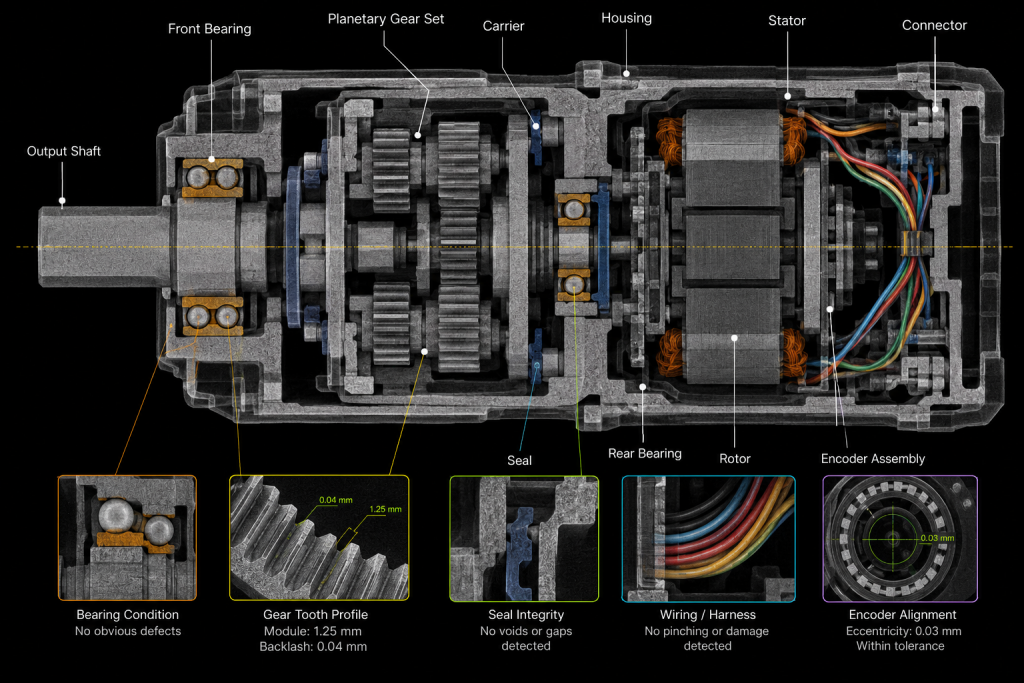
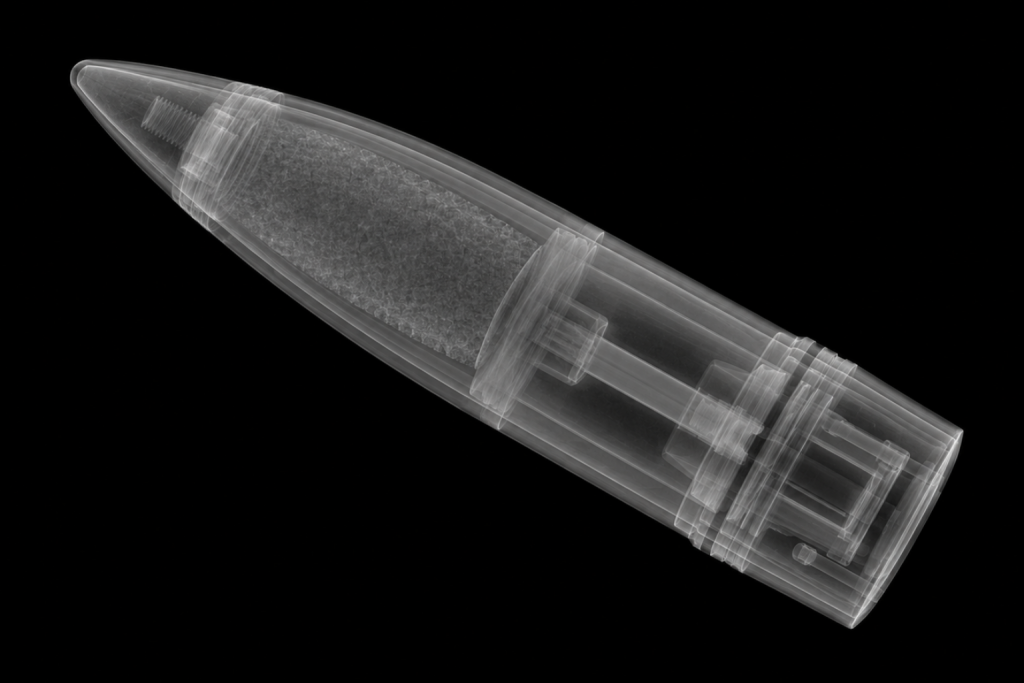
X-ray inspection of sealed assemblies and enclosures has become an essential quality assurance method for components that cannot be opened without destruction.
Lithium-ion batteries are the backbone of modern technology, powering everything from smartphones to electric vehicles and industrial energy storage systems.
Non-Destructive Testing (NDT) for sintered metal parts is crucial in high-load applications where structural integrity is non-negotiable. X-ray and CT inspections are used to detect density variations, internal cracks, and porosity…
Adhesive bonding has become a standard joining method in modern manufacturing, particularly for multi-material assemblies combining metals, plastics, and composites.
Printed Circuit Boards (PCBs) are the backbone of every modern electronic device, from smartphones to medical instruments, automotive systems to industrial controllers.
Non-destructive testing (NDT) for Carbon Fiber Reinforced Polymers (CFRP) plays a critical role in ensuring the safety, reliability, and long-term performance of wind turbine blades across the United States.
Aerospace honeycomb structures are widely used in aircraft and spacecraft design due to their exceptional strength-to-weight ratio.
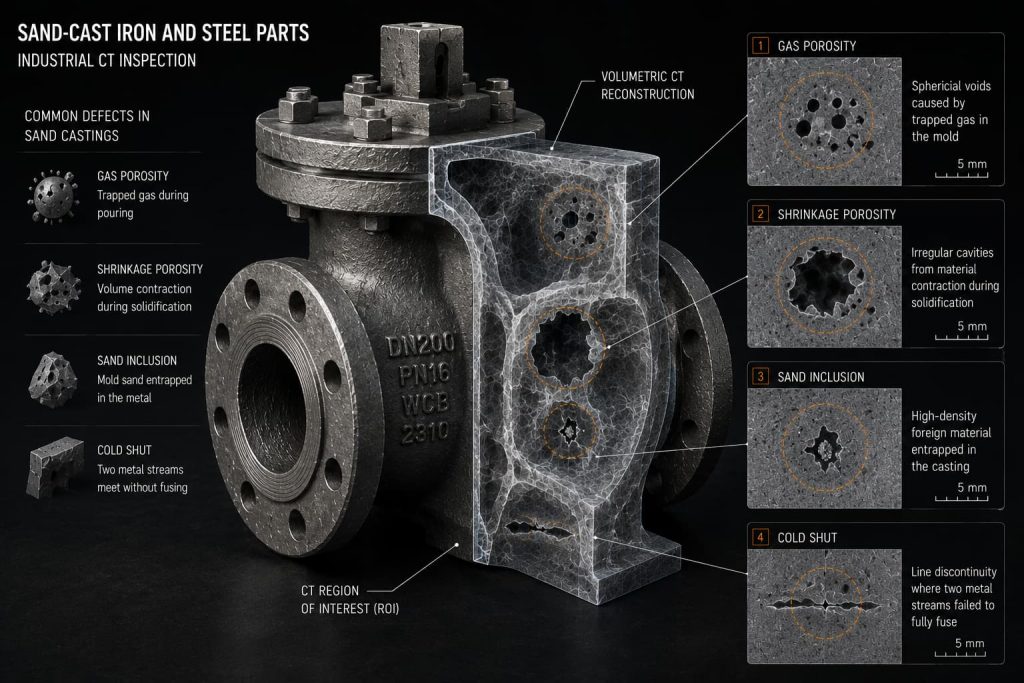
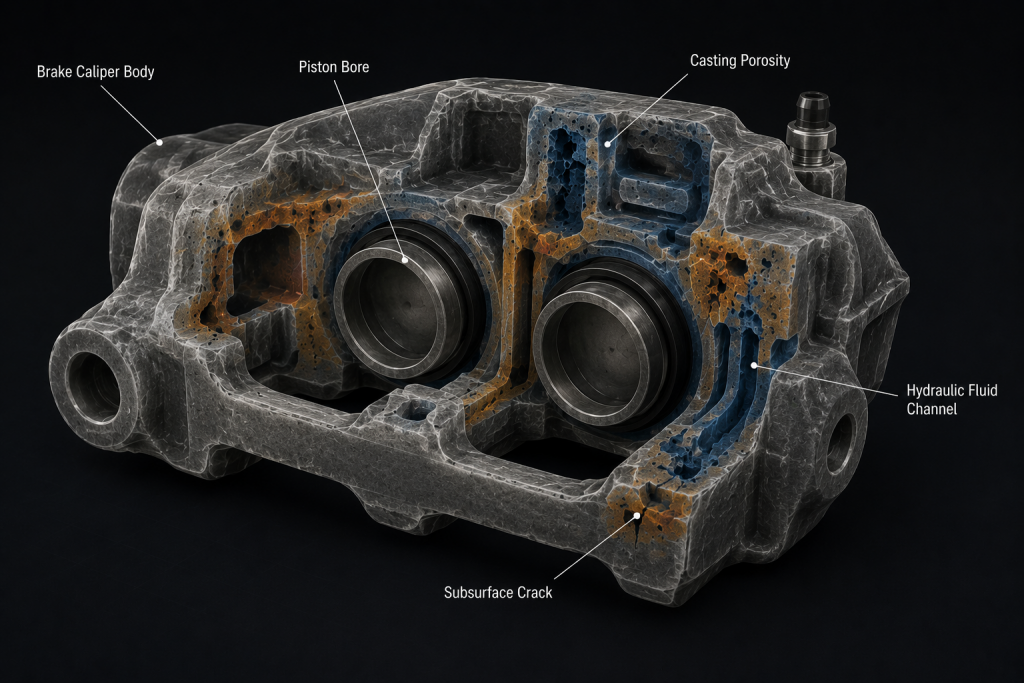
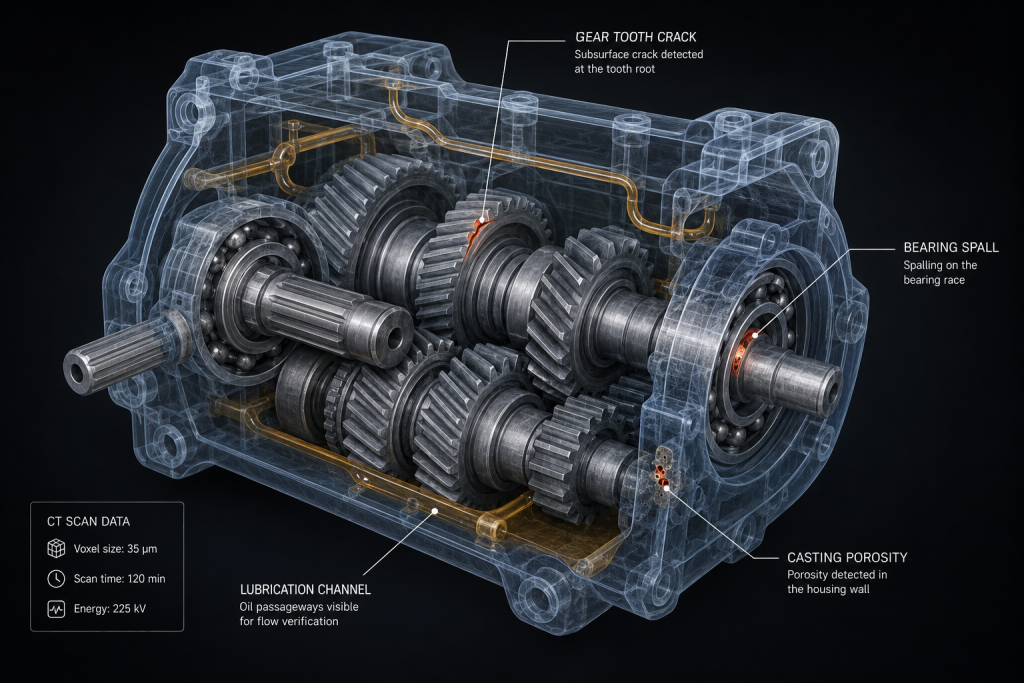
Automotive manufacturers across the USA increasingly rely on industrial CT scanning and X-ray inspection to ensure the structural integrity of cast components.
Composite materials are widely used in aerospace, automotive, energy, and other high-performance industries because they are lightweight yet strong.