Crimps form a critical part of electric circuits, particularly when dealing with automobiles and electronic circuits that require constant conduction of electricity. However, despite the significance of crimps, it remains challenging to conduct an analysis of the internal structure of crimped parts.
Industrial CT scanning technology provides an effective solution to this problem by offering an extremely detailed, non-destructive examination of the inside structure, facilitating correct assessment of quality. In conventional scanning systems, voxel size is 15-20 microns, depending on the size of the analyzed part, allowing precise detection of wire strands and their deformation behavior.
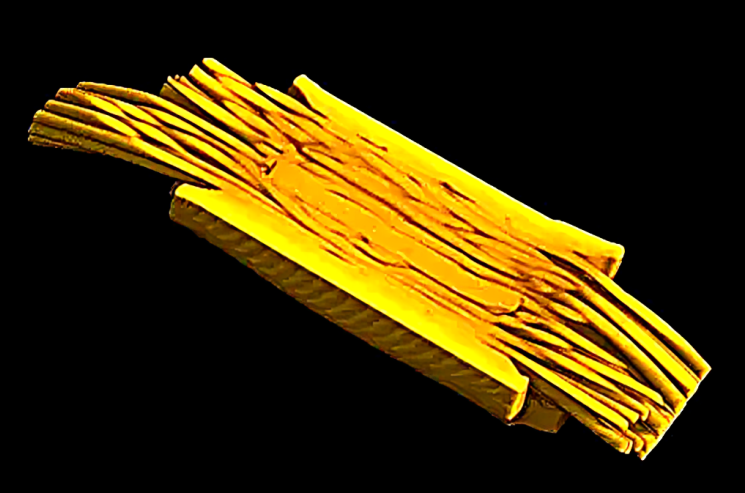
CT visualization of a crimped wire connection showing strand distribution and compression within the terminal.
Why Crimp Connections Are Critical
Crimping is widely used to create secure electrical connections without soldering, making it a preferred method in high-volume manufacturing. However, the quality of the crimp directly determines electrical performance and durability.
Key applications include:
- Automotive wiring harnesses
- Electric vehicle (EV) battery systems
- Electrical connectors and terminals
- Industrial electronic assemblies
Even minor inconsistencies in crimp quality can lead to increased resistance, overheating, or intermittent failures.
Common Defects in Crimp Connections
Crimp connections are highly sensitive to variations in pressure, alignment, and material properties. As a result, several types of defects can occur during the crimping process.
Typical defects include:
- Insufficient or excessive compression
- Air gaps between wire and terminal
- Damaged or broken wire strands
- Uneven deformation of materials
- Poor electrical contact
These defects may not be visible externally but can significantly impact performance and safety.
Why Traditional Inspection Methods Fall Short
Traditional inspection approaches, such as visual checks or destructive testing, are not sufficient for evaluating internal crimp quality.
- Visual inspection cannot reveal internal structure
- Destructive testing damages components and limits sampling
- Inconsistent inspection reduces reliability
This creates a need for a more advanced, non-destructive inspection method.
How Industrial CT Scanning Works
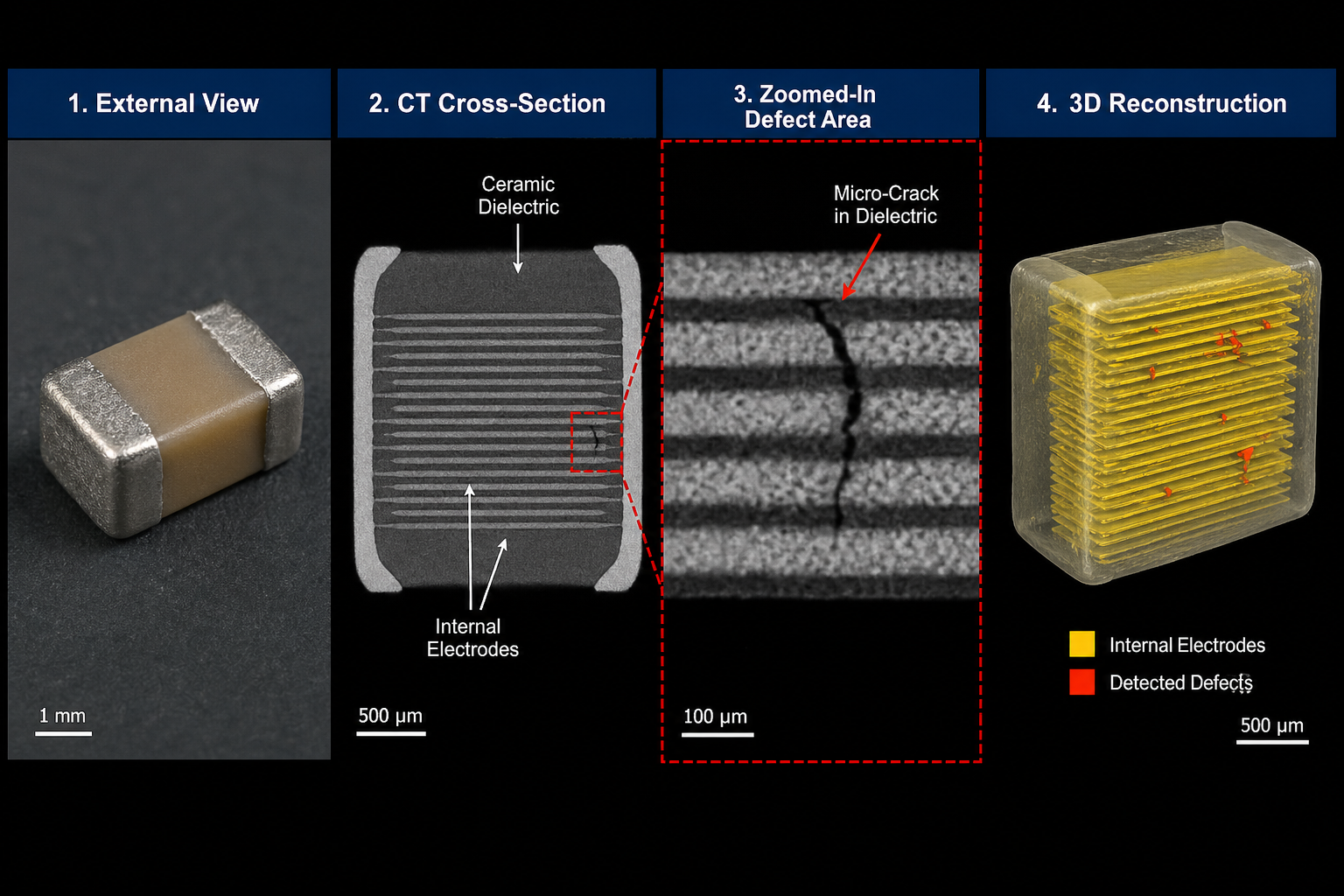
CT scanning creates a 3D representation using several cross-sectional views obtained using X-rays, thus facilitating the inspection of internal components without having to dismantle the part.
This enables:
- Full internal visibility
- Accurate defect detection
- Reliable quality validation
Crimped connectors are usually scanned at energy levels between 100–180 kV, depending upon material thickness and type of connector. One CT scan produces roughly 1200–2500 cross-sections, which are further processed to form the complete volume data set.
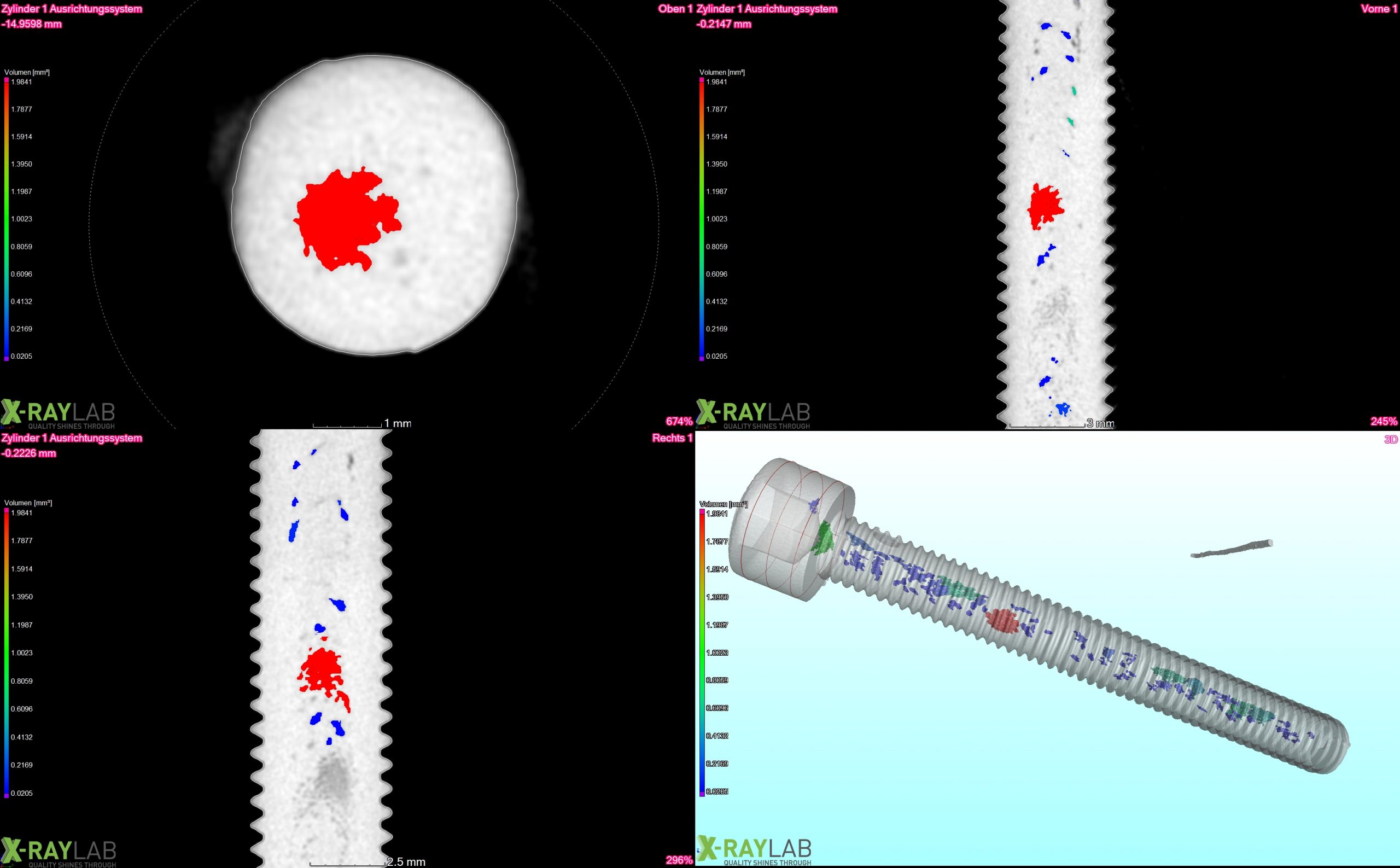
From this volume data set, one can virtually inspect the crimp region in 2D cross sections as well as in 3D representations to reliably detect defects inside that region with a size of about ~5 µm.
CT Inspection for Crimped Components
The CT scanner makes it possible to analyze interactions between wires and terminals within an automobile accurately. This is due to the ability to analyze how wires interact and react when compressed.
This is particularly necessary in automobiles and EV systems, since electrical failure poses potential safety concerns.
CT analysis helps to:
- Verify correct wire positioning within the terminal
- Detect air gaps or voids that affect conductivity
- Assess compression uniformity across the crimp
- Identify damaged or broken strands
- Evaluate overall contact quality
By providing both visual and measurable insights, CT scanning supports better process control and product reliability.
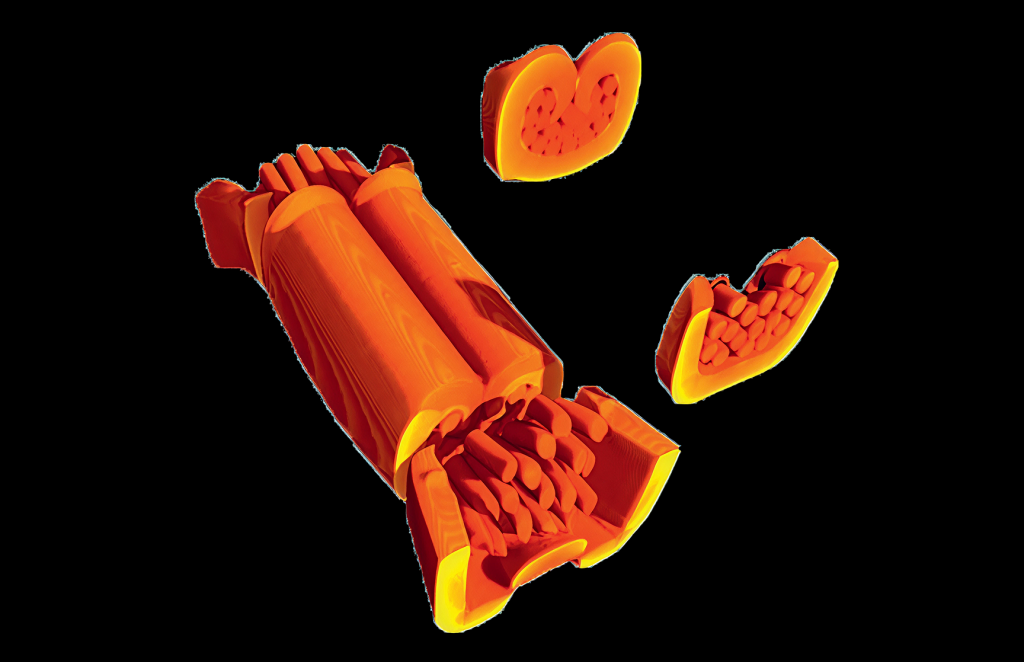
High-resolution CT scan of a crimped wire connection revealing internal strand distribution, compression behavior, and contact integrity within the terminal.
How XRAY-LAB helps:
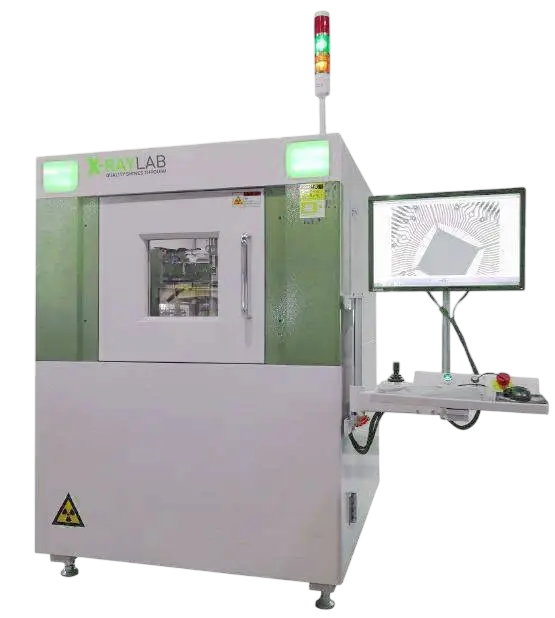
At XRAY-LAB, we offer highly sophisticated CT scanning services for electrical parts. The equipment can reveal details related to wire structures and connection points, thus ensuring that even small defects, like poor compression or invisible spaces, can be found.
For crimp inspection applications, XRAY-LAB typically utilizes industrial CT systems operating in the range of 130 kV, ensuring sufficient penetration for metallic connectors while maintaining contrast for fine internal features. With Defect Detectability of 3 µm, these systems can reliably capture individual strand behavior and internal gap formation. With both inline and laboratory CT capabilities, XRAY-LAB supports real-time quality monitoring as well as in-depth failure analysis, helping manufacturers ensure reliable electrical performance.
Benefits of CT for Crimp Inspection
CT scanning enhances inspection accuracy while reducing the need for destructive testing.
Key benefits include:
- Non-destructive internal analysis
- High-resolution 3D imaging
- Reliable detection of micro-scale defects (~3 µm range)
- Improved electrical reliability
- Faster quality control processes
Conclusion
Crimp connection is necessary for efficient electrical function, but it is hard to inspect the quality inside using normal procedures. Industrial computed tomography makes a great difference by allowing one to inspect the crimp connection without causing any destruction.
With industries striving to attain efficiency and improve performance levels, there is no doubt that CT is crucial.
Frequently Asked Questions
Why is CT scanning important for crimp inspection?
It allows detailed analysis of internal wire positioning and defects that cannot be detected externally.
Can CT detect wire damage?
Yes, CT can identify broken strands, voids, and compression issues with high accuracy.