Process-Induced and Assembly-Related Defects
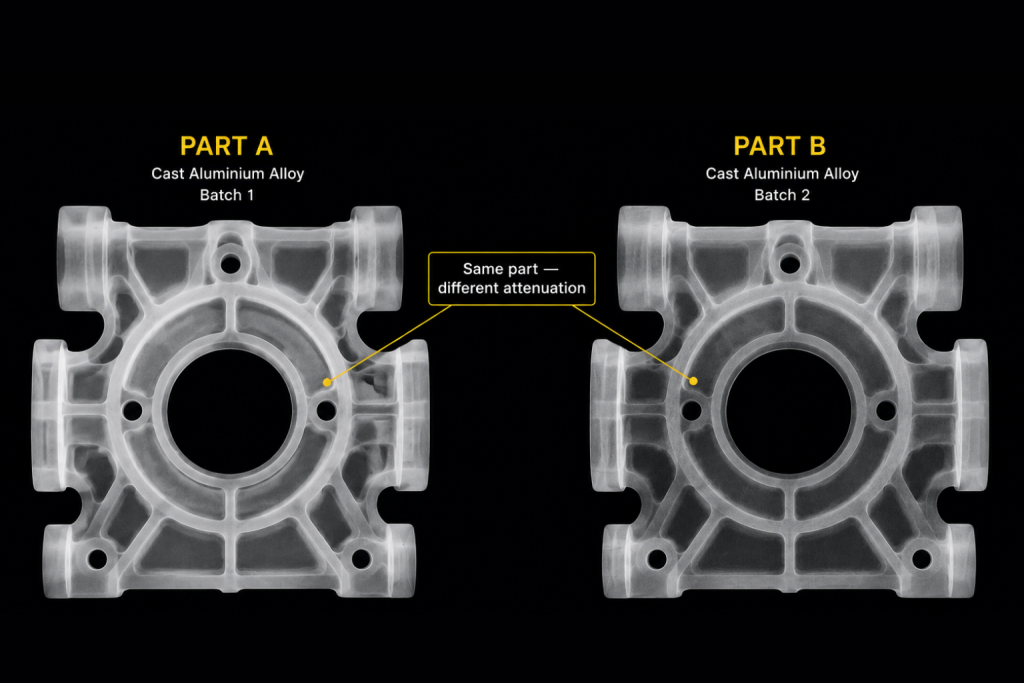
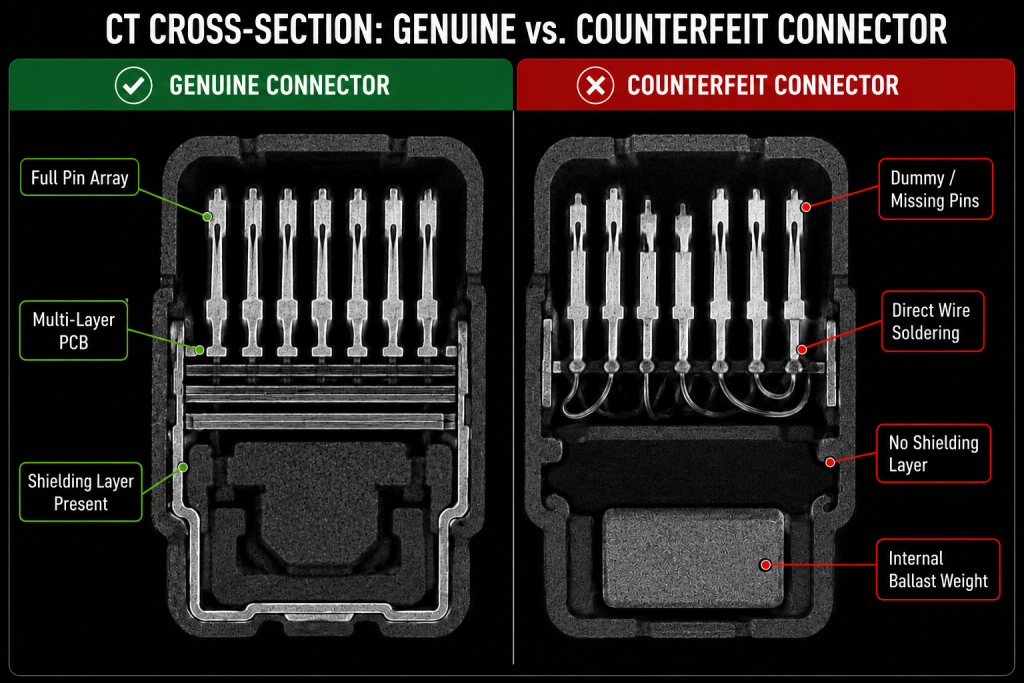
Process-induced and assembly-related defects are among the most challenging failure modes to identify because they are typically not present in individual components.
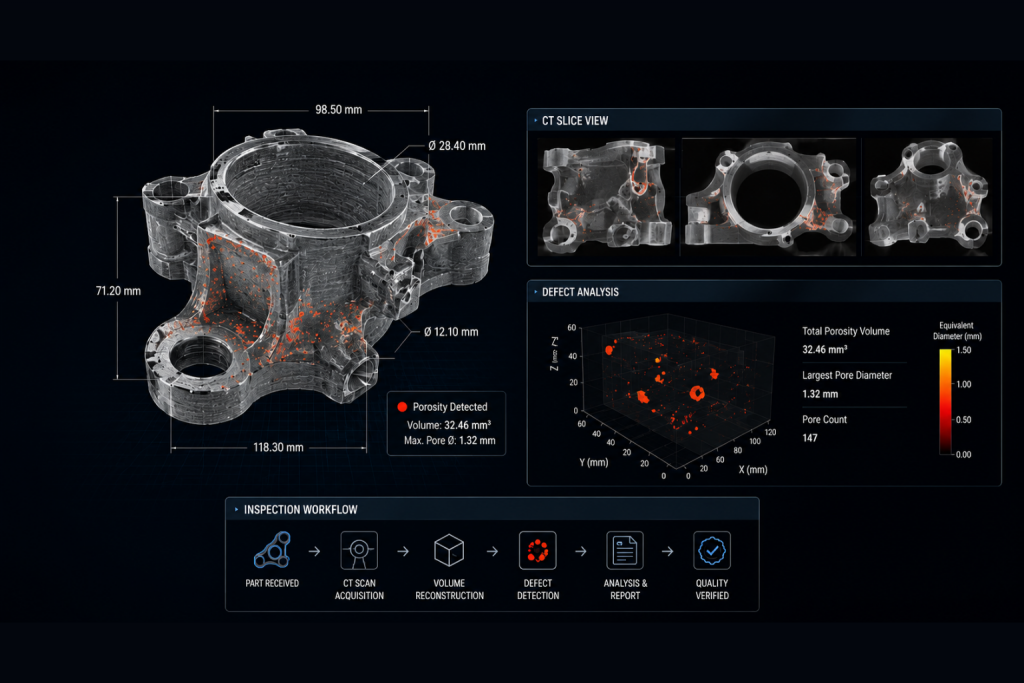
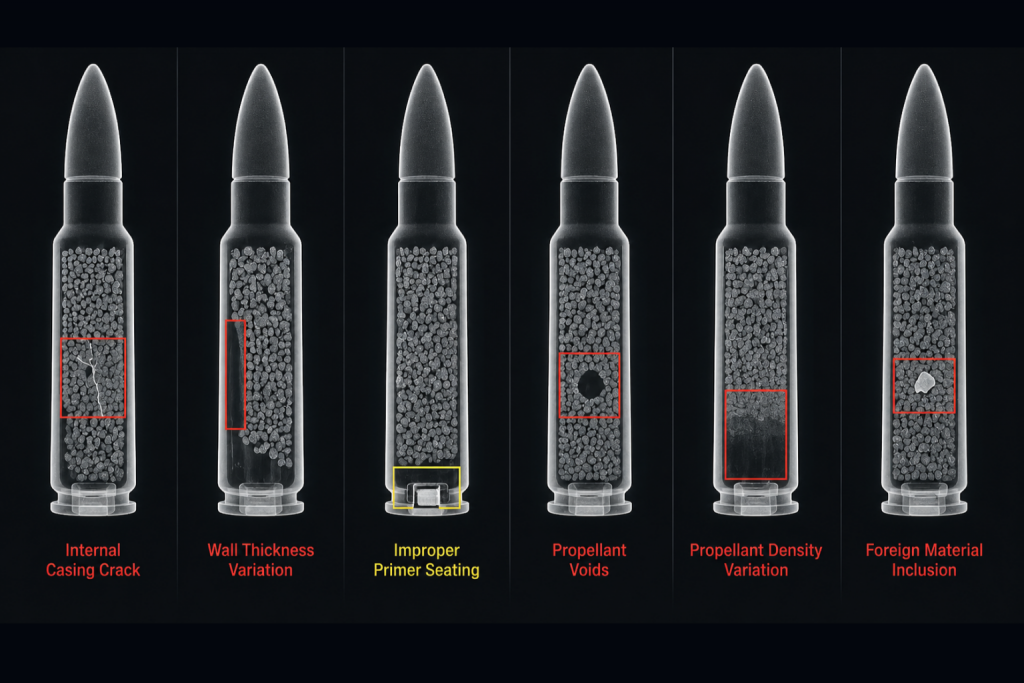
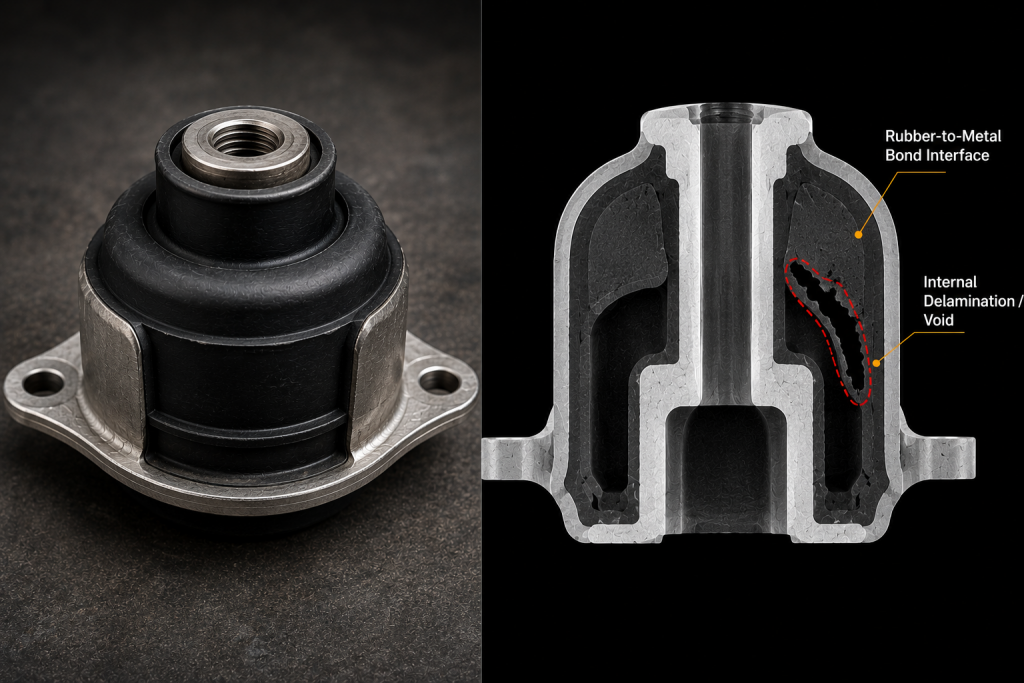
A void, crack, or inclusion is rarely desirable—but it is not always critical. The same internal defect can cause immediate failure in one product while remaining functionally harmless in another.
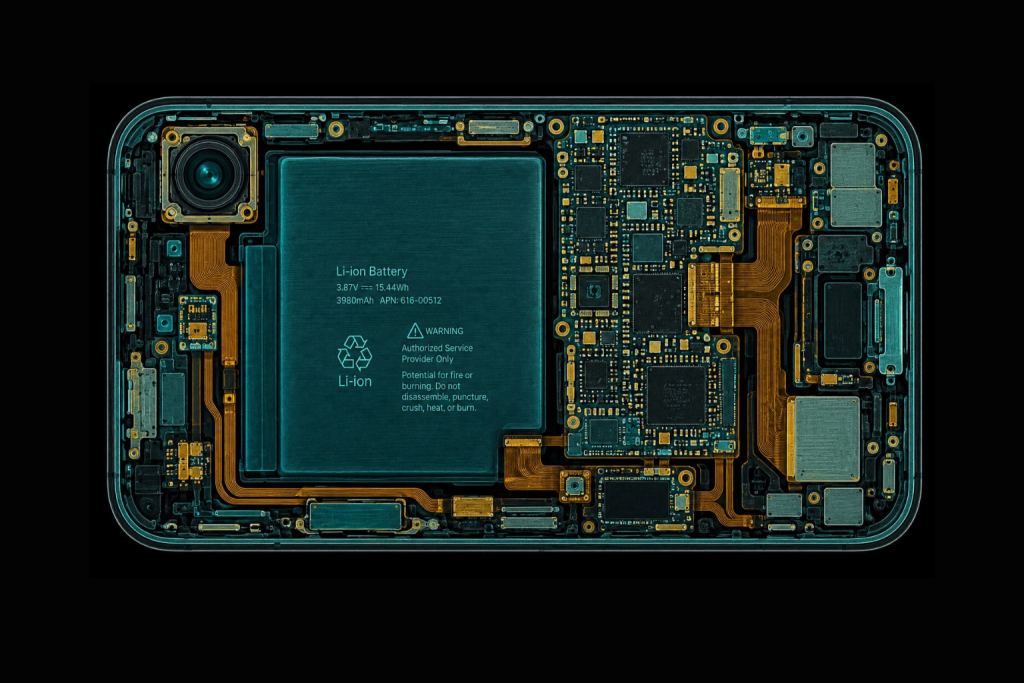
In modern manufacturing, speed and quality must go hand in hand. Hidden defects in electronics, batteries, or automotive components can lead to costly recalls, scrap, and downtime.
Glass is often seen as delicate yet transparent, but technical and industrial glass plays a critical role in high-performance systems.
Small mechanical components may appear insignificant, but in automotive, aerospace, medical devices, and electronics, they are critical to system performance.
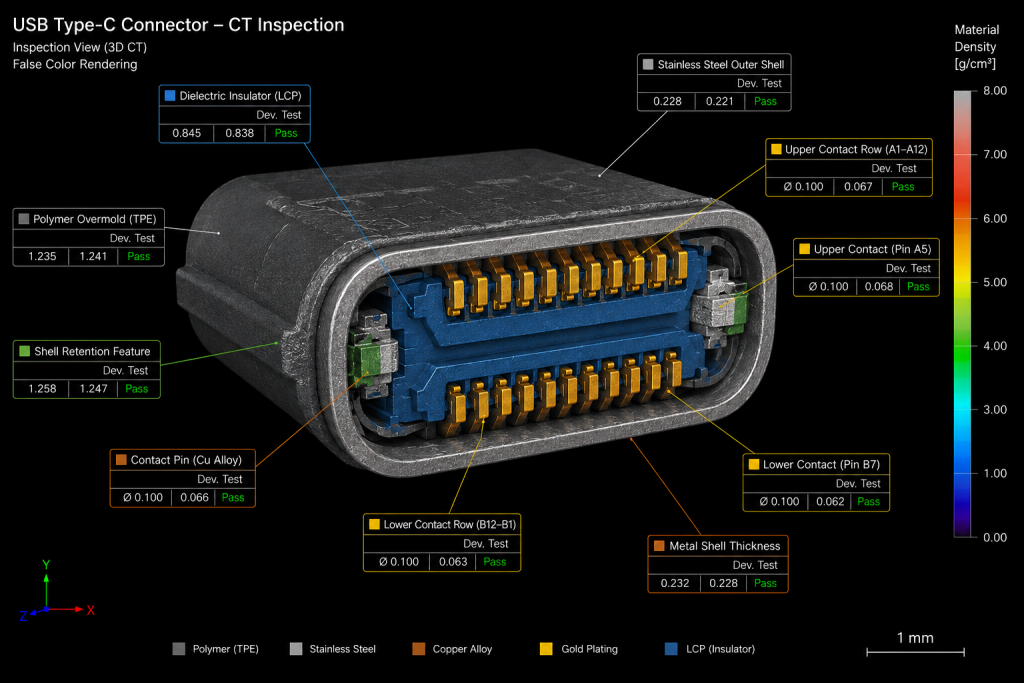
Hybrid assemblies combining metals, plastics, and composites are increasingly common in automotive, aerospace, and electronics applications.
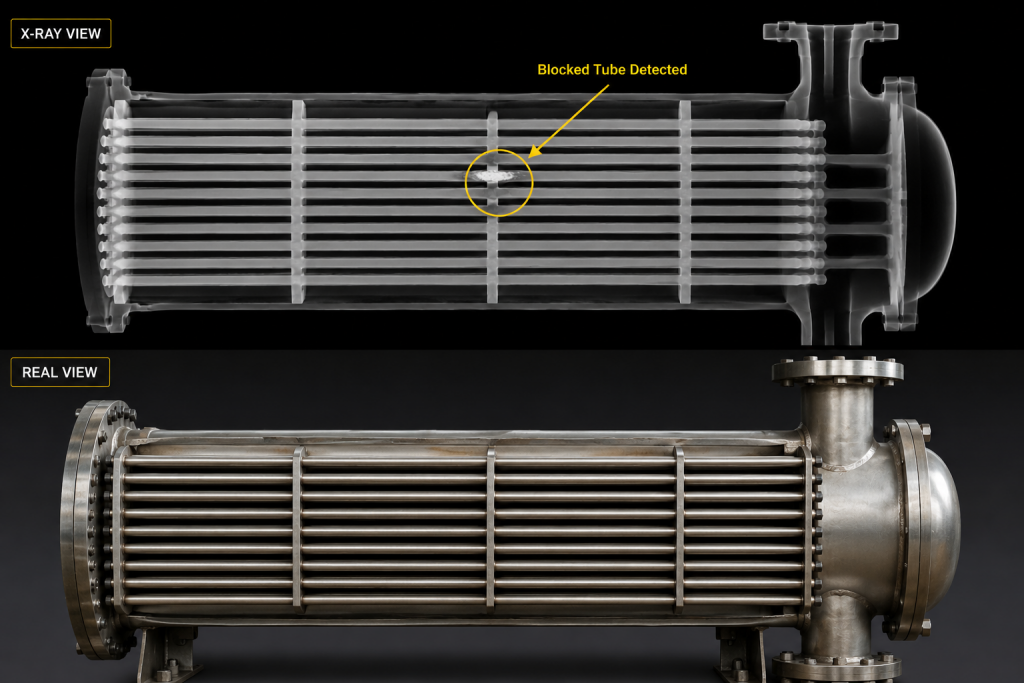
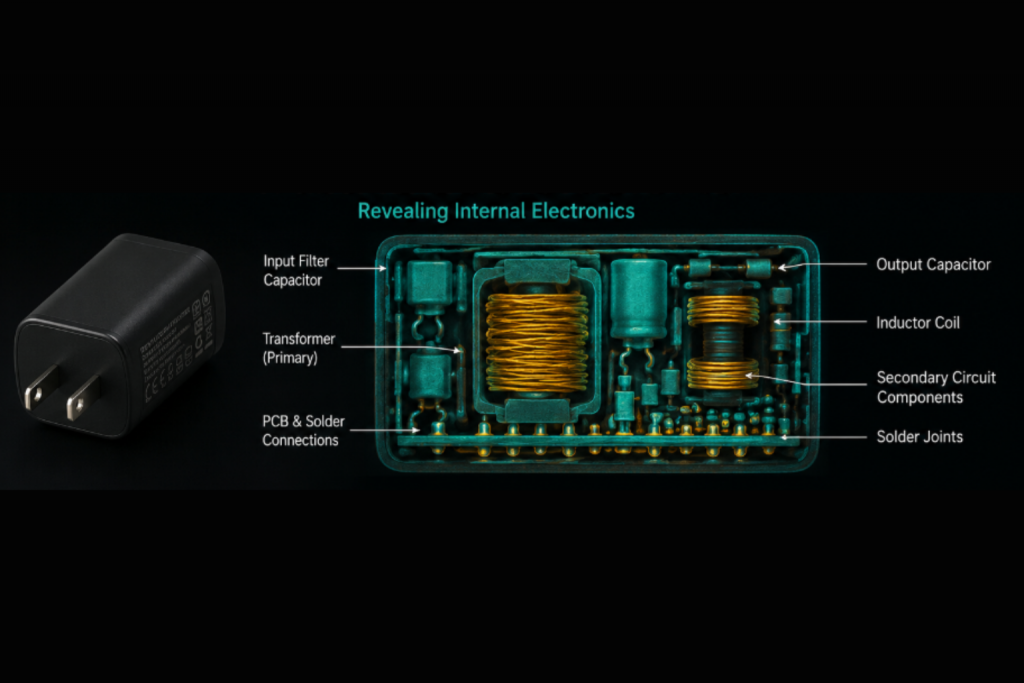
X-ray inspection of sealed assemblies and enclosures has become an essential quality assurance method for components that cannot be opened without destruction.
Lithium-ion batteries are the backbone of modern technology, powering everything from smartphones to electric vehicles and industrial energy storage systems.
Non-Destructive Testing (NDT) for sintered metal parts is crucial in high-load applications where structural integrity is non-negotiable. X-ray and CT inspections are used to detect density variations, internal cracks, and porosity…
Adhesive bonding has become a standard joining method in modern manufacturing, particularly for multi-material assemblies combining metals, plastics, and composites.