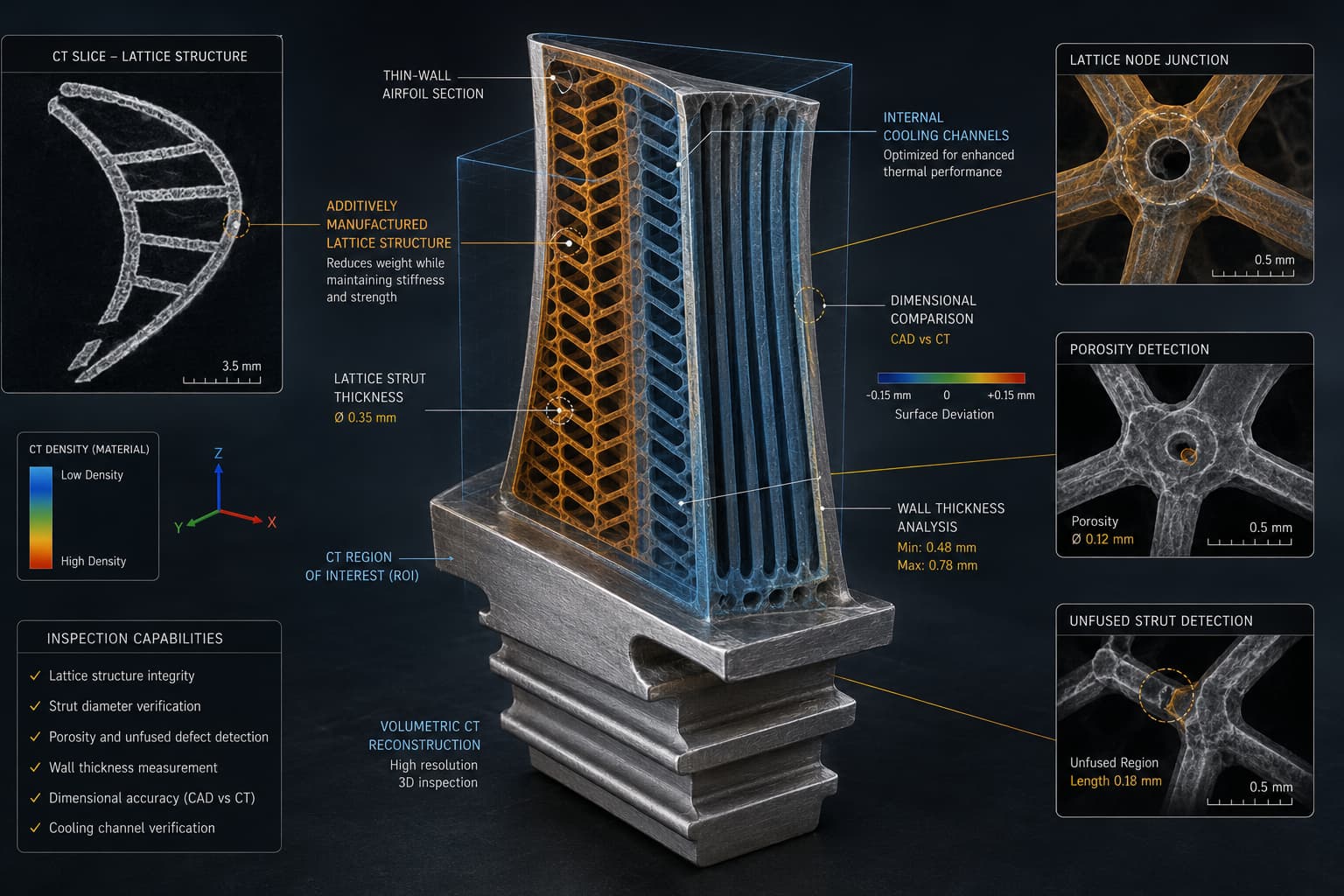
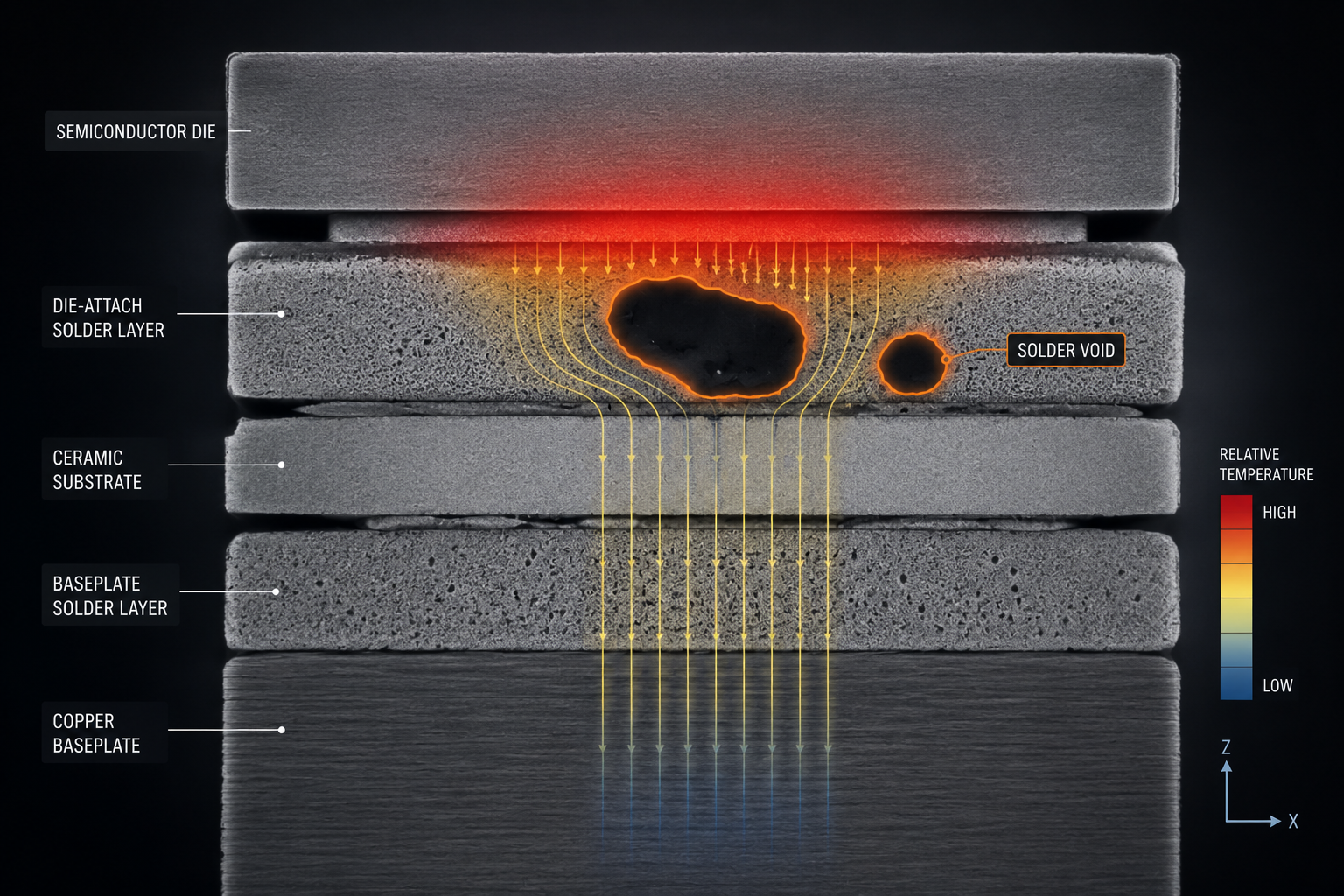
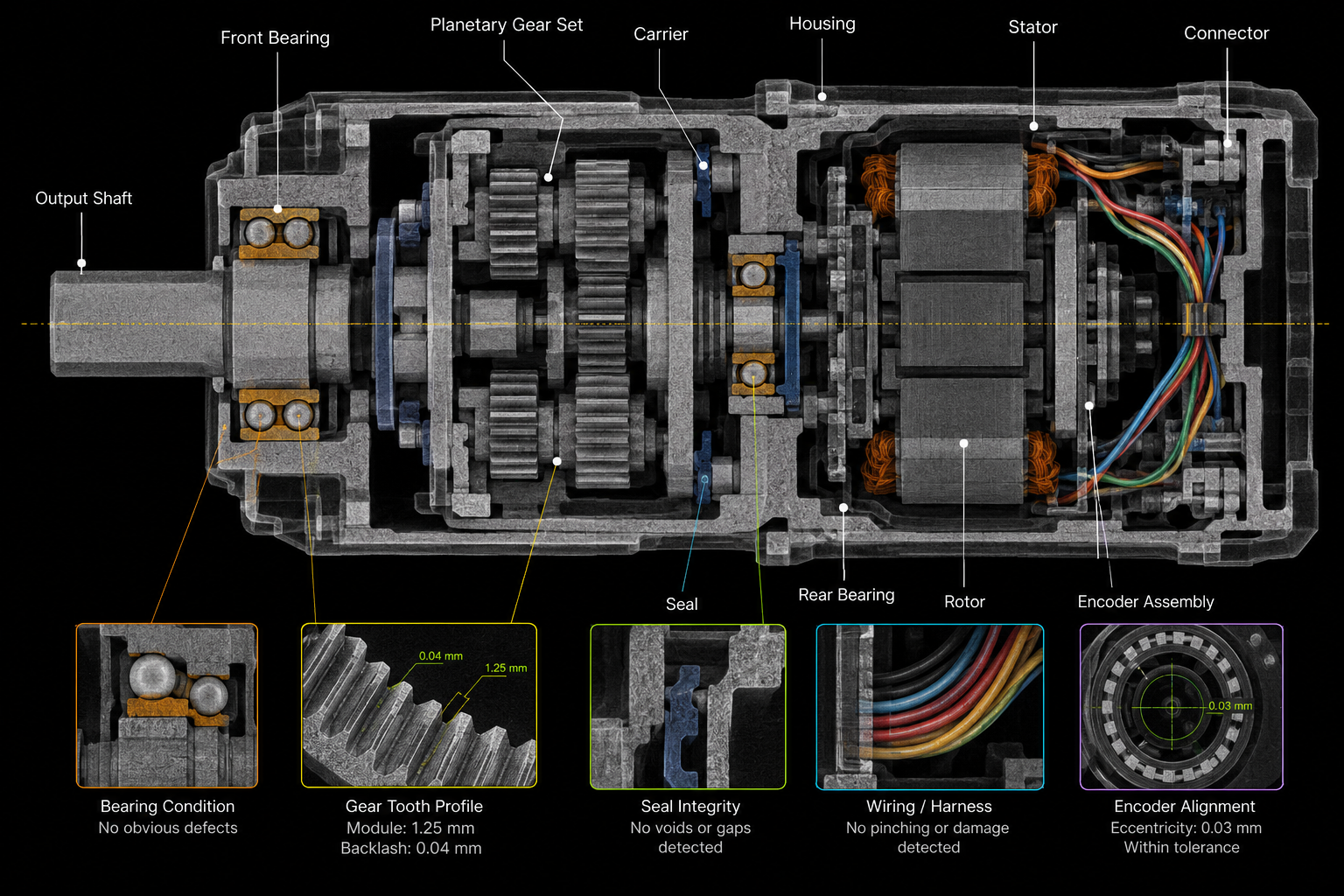
Traditional heat exchanger inspection requires taking the unit offline and disassembling it, leading to downtime, increased labour, potential reassembly risks, and no guarantee of identifying internal issues such as brazed-joint defects or hidden corrosion. Non-destructive industrial X-ray inspection offers internal assessment without disassembly.
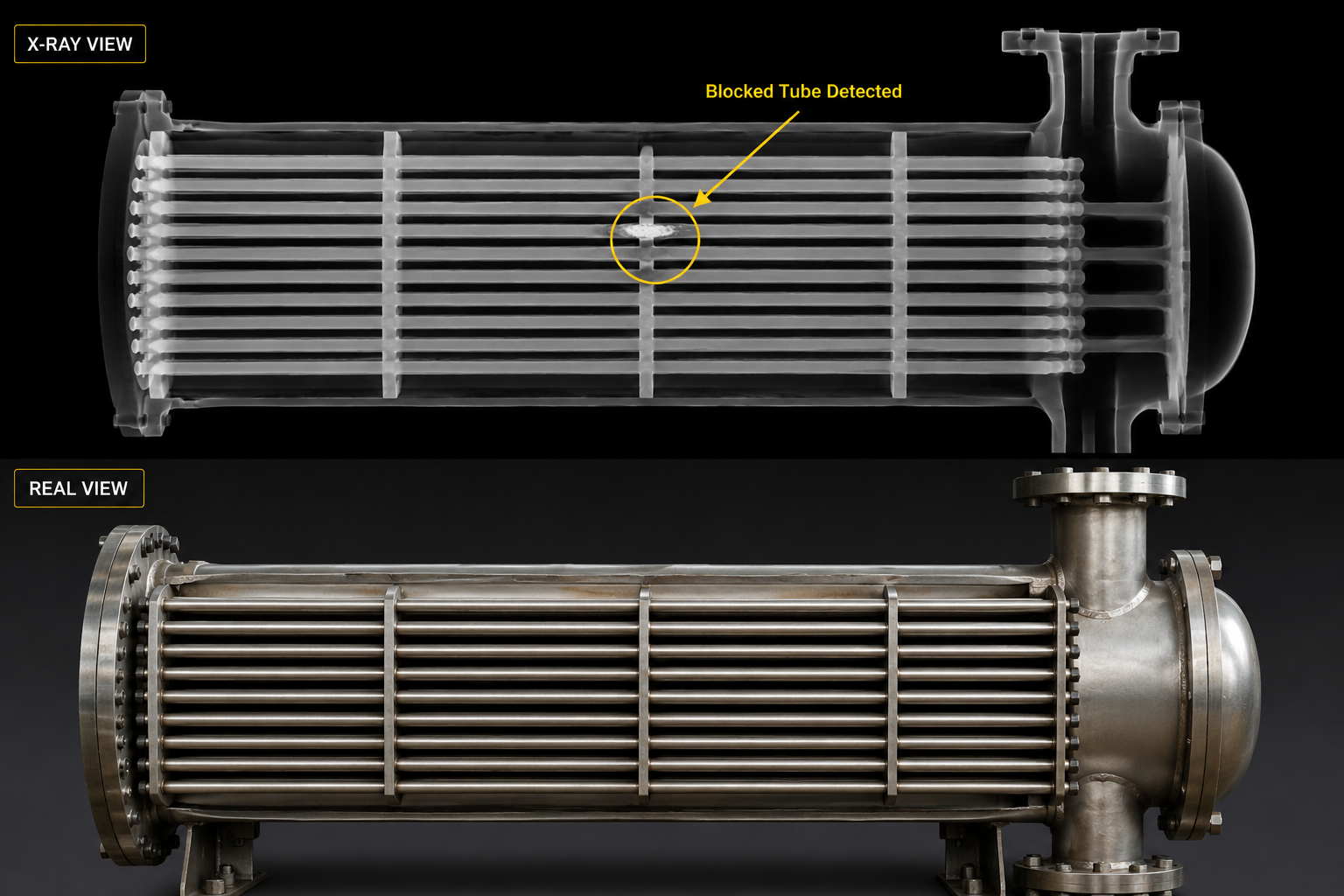
Comparison of real heat exchanger assembly and industrial X-ray inspection revealing hidden internal tube blockage without disassembly.
Why Internal Heat Exchanger Inspection Is Difficult Using Conventional Testing Methods
Heat exchangers form complex assemblies, regardless of whether they use a shell-and-tube, brazed plate, finned-tube, or double-pipe design; they all pose inspection challenges: sealed structures enclose critical components such as tube walls, brazed joints, tube-to-tubesheet connections, and internal flow passages, so you cannot inspect them directly.
External surfaces can be inspected. Pressure testing confirms whether leaks exist. Flow measurements indicate reduced efficiency. However, none of these methods shows where, how severe, or why the defect occurred unless the team disassembles the unit.
This ability to visualise hidden defects addresses the diagnostic gap left by conventional inspection methods.
Specifically, by directing a controlled X-ray beam through the assembled unit and capturing the resulting absorption image on a digital detector, technicians can identify internal defects such as tube wall thinning, blockage accumulation, brazed joint voids, and corrosion-related material loss—all without disassembly.
Common Internal Defects Detected During X-Ray Inspection of Heat Exchangers
It is important to note that most heat exchanger failures do not occur suddenly. They develop progressively over time until thermal efficiency drops significantly or complete failure forces an unplanned shutdown. Here, industrial X-ray inspection helps detect these defects early.
1. Internal Tube Blockages
Scale buildup, mineral deposits, fouling from process fluids, and particulate accumulation gradually reduce tube bore over time. In large tube bundles, blockage rarely develops uniformly. Some tubes remain fully functional while adjacent tubes become partially or completely obstructed, causing uneven thermal distribution across the system.
Non-destructive inspection reveals density variations within each tube. Clean tubes display uniform attenuation, whereas blocked tubes contain localised high-density areas due to internal deposits.
2. Brazed Joint Integrity Defects
Brazed joints, especially in brazed plate heat exchangers, are among the most common failure points. Uneven heat distribution during furnace brazing can result in incomplete filler metal coverage, leading to internal voids that compromise structural integrity.
Engineers use industrial radiographic inspection to examine the distribution of filler metal throughout the joint. Solid brazing produces consistent density, and voids appear as low-density discontinuities inside the joint boundary.
Similar inspection principles are widely used in Advanced NDT for Weld Inspection: Porosity, Cracks & Fusion Defects, where internal weld discontinuities are detected using industrial X-ray technology.
3. Corrosion and Wall Thinning
Pitting corrosion is one of the most challenging heat exchanger defects to detect using conventional inspection methods. It leads to localised wall thinning that typically develops internally, while the external surface appears unaffected.
Because thinner material absorbs less radiation, industrial X-ray inspection allows technicians to identify corrosion damage by mapping density variations across the tube wall. Engineers then detect wall thinning, corrosion clusters, and localised pitting without internal access.
Similar inspection challenges are also addressed in X-Ray Inspection of Sealed Assemblies and Enclosures, where hidden structural defects cannot be detected externally.
4. Tube-to-Tube sheet Joint Defects
Continuous thermal cycling, vibration, and pressure fluctuations stress the tube-to-tubesheet connection. These stresses create a risk of cracking, weld defects, and disbonding.
Engineers use radiographic inspection to evaluate weld integrity, joint geometry, cracking, and structural discontinuities before catastrophic failure occurs.
X-Ray vs Other NDT Methods for Heat Exchanger Internal Defect Detection
Non-destructive testing methods must be selected based on the defect type, tube material, access geometry, and whether the inspection is for manufacturing verification or in-service condition assessment.
Eddy Current Testing is widely used for corrosion detection in accessible non-ferrous tube bundles but requires inserting a probe into each individual tube.
Ultrasonic Testing provides accurate wall thickness measurements but requires internal tube access and is sensitive to fouling deposits.
Compared to these methods, industrial X-ray inspection provides a distinct advantage, as it does not require internal tube access and is particularly effective for:
- Brazed joint quality verification
- Tube blockage mapping across bundles
- Corrosion mapping in thin-wall tube assemblies
- Tube-to-tubesheet weld inspection
- HVAC component inspection where probe-based methods are impractical
In practice, facilities frequently use a combination of inspection methods. The choice depends on the specific failure mechanisms under investigation.
Heat Exchanger Inspection During Manufacturing and In-Service Maintenance
Within heat exchanger inspection programs, X-ray inspection serves two critical inspection stages.
During Manufacturing and Post-Fabrication: Manufacturers of newly built heat exchangers—especially brazed-core designs for HVAC, refrigeration, automotive cooling, and industrial process systems—must verify joint quality before commissioning. Early detection of fabrication defects reduces warranty exposure and minimizes the risk of field failures.
In-Service and Maintenance Inspection: When performed during service, industrial X-ray inspection enables maintenance teams to investigate performance loss, monitor degradation mechanisms, and assess the progression of internal damage without unnecessary shutdowns.
XRAY-LAB Industrial X-Ray Inspection for Heat Exchanger Defect Analysis
As a result, because heat exchanger defects typically develop inside sealed assemblies where conventional inspection provides limited visibility, manufacturers increasingly rely on specialized non-destructive inspection providers capable of advanced internal defect analysis.
XRAY-LAB provides industrial X-ray and CT inspection services for heat exchanger assemblies, ranging from compact brazed-plate heat exchangers used in HVAC systems to shell-and-tube systems used in industrial process environments.
XRAY-LAB’s inspection capability includes both 2D radiographic imaging for blockage mapping, corrosion assessment, and joint verification, and industrial CT scanning for smaller assemblies that require full volumetric internal analysis.
Inspection reports provide:
- Tube-by-tube blockage mapping
- Brazed joint void distribution analysis
- Corrosion severity assessment
- Internal structural defect localization
Manufacturers focused on reducing downstream field failures can also explore Reducing Warranty Claims Through Advanced X-Ray Inspection, which explains how early defect detection reduces long-term operational costs.
Frequently Asked Questions
Can X-ray inspection detect all blockages in heat exchanger tubes?
X-ray effectively detects mineral scale, fouling deposits, and particulate accumulation. Very low-density organic deposits may require alternative diagnostic methods.
Is X-ray inspection suitable for all heat exchanger types?
Yes. Shell-and-tube, brazed-plate, finned-tube, and double-pipe heat exchangers can all be inspected, depending on the geometry and access conditions.
Can X-ray inspection be performed without shutting down the heat exchanger?
In most cases, the system must be safely positioned offline, but X-ray inspection typically requires significantly less downtime than disassembly-based inspection.
How does X-ray compare to eddy current testing?
Eddy current testing is effective for corrosion detection inside accessible tubes. X-ray inspection is more effective for blockage mapping, brazed joint analysis, and detection of inaccessible internal defects.