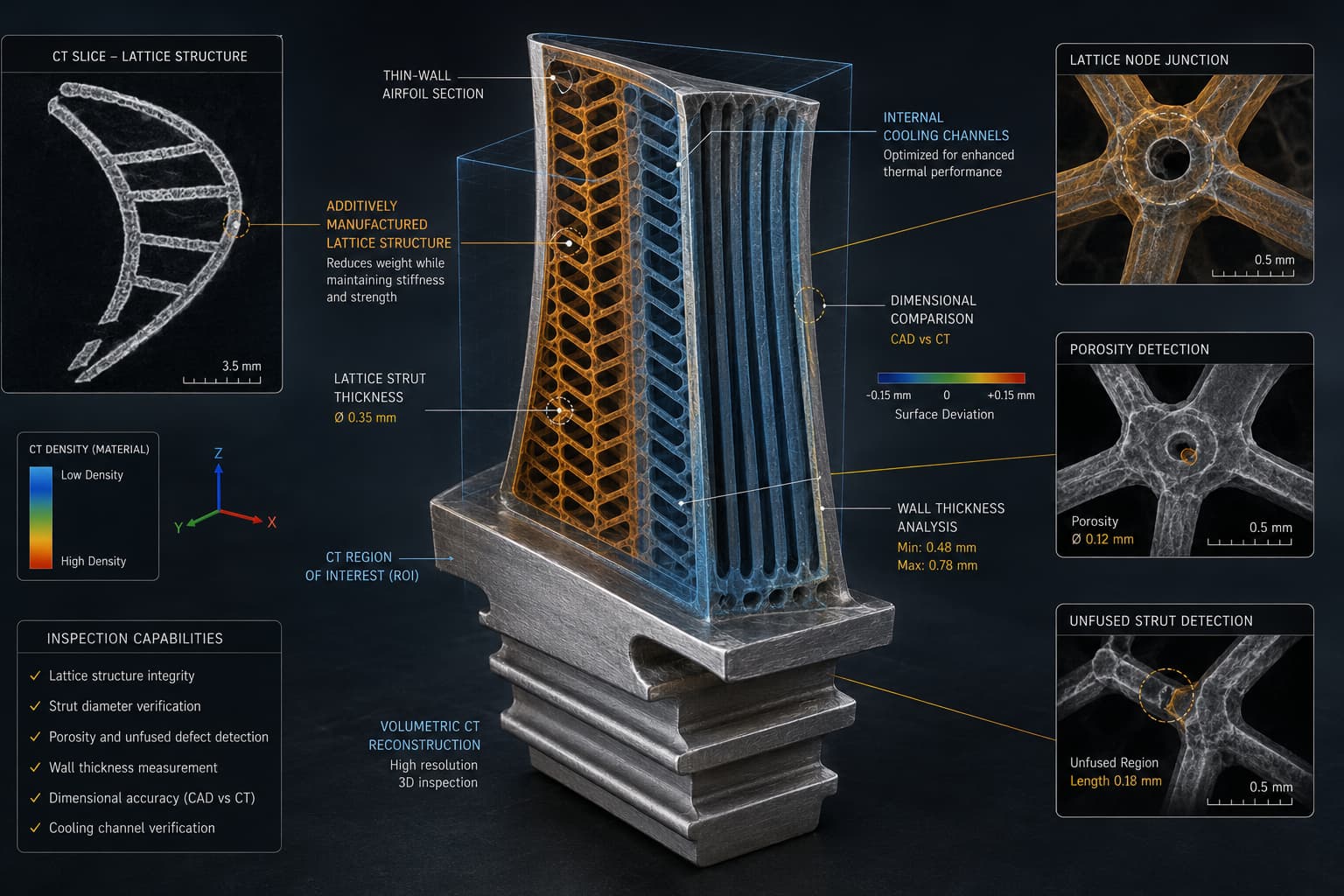
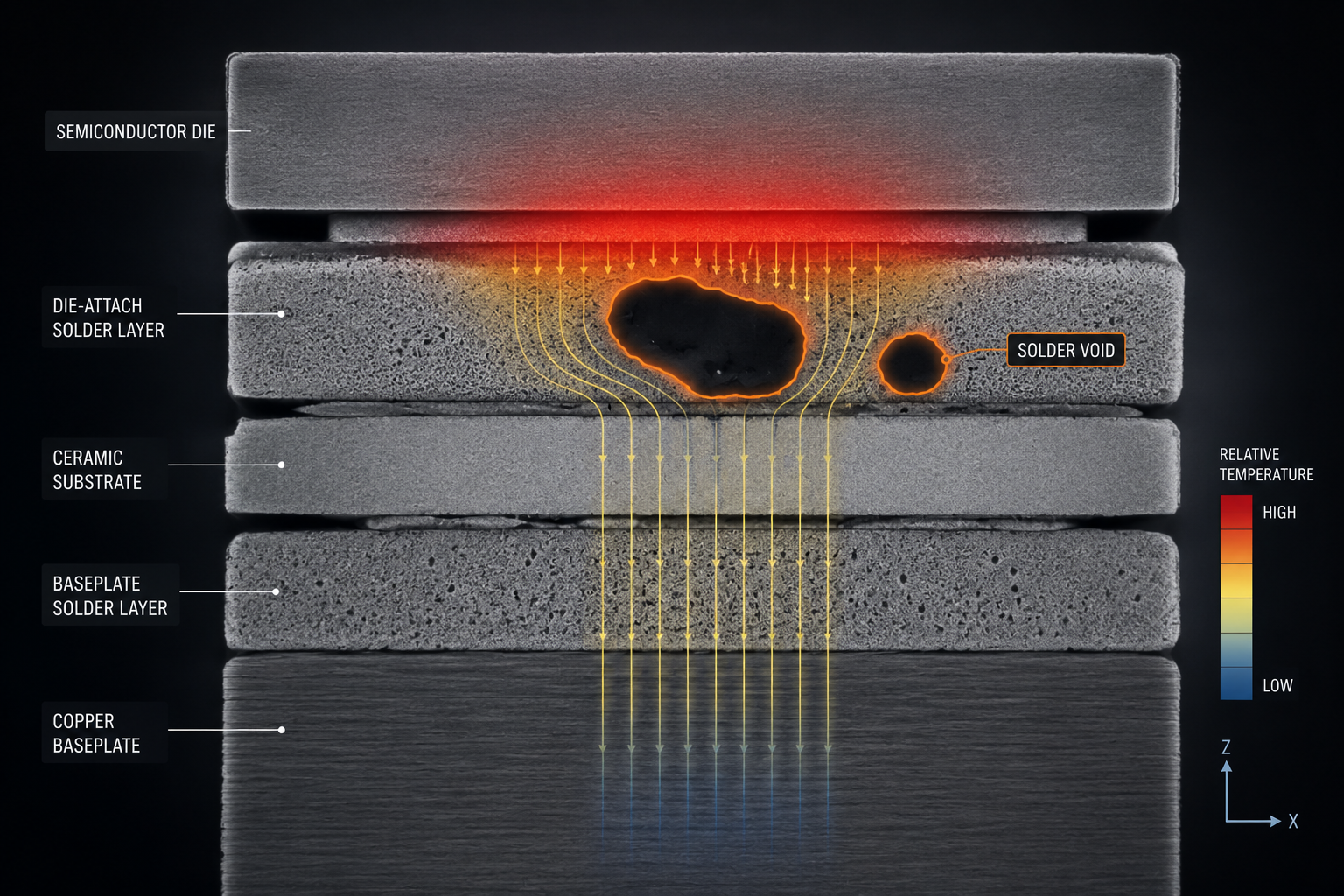
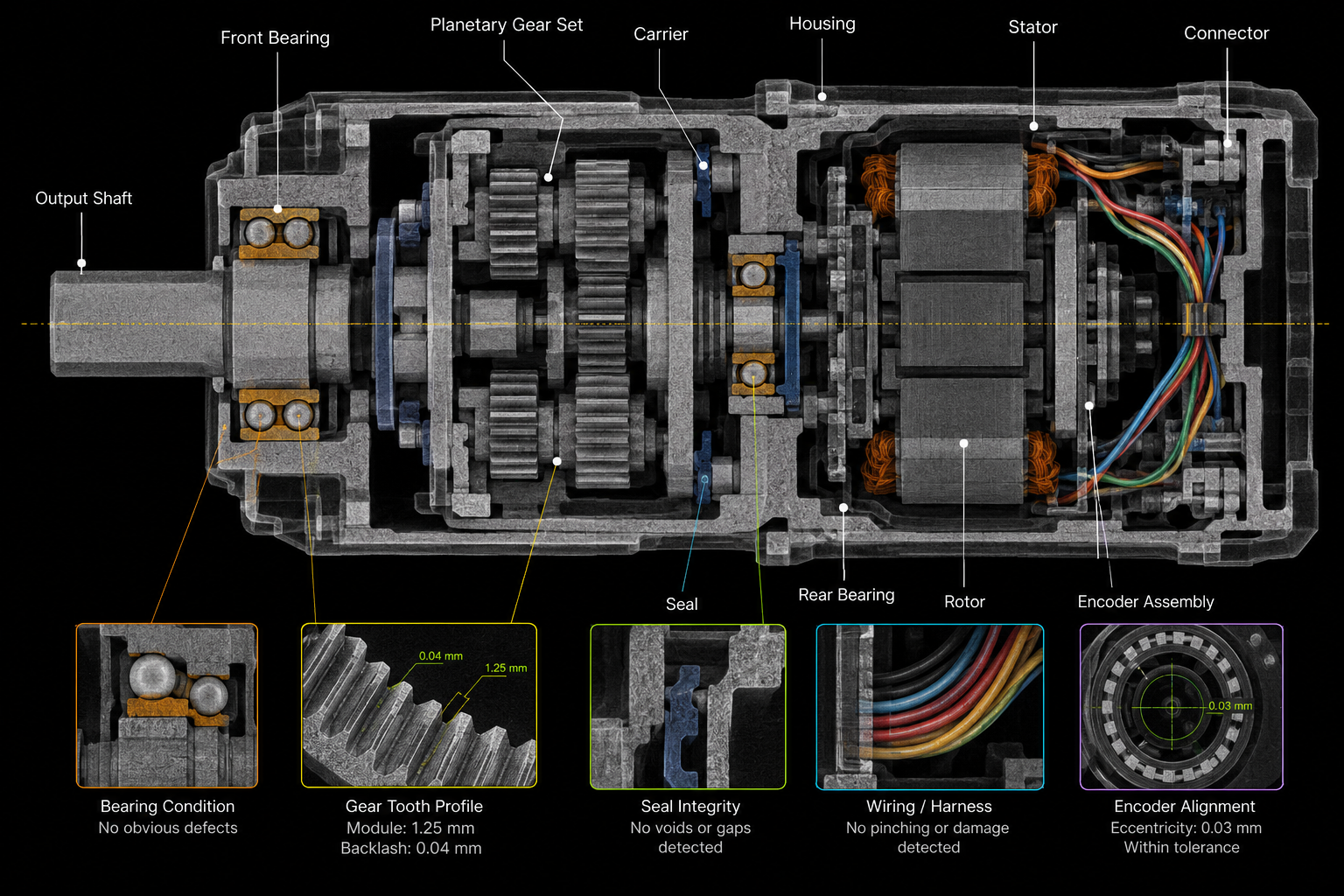
A hidden defect inside ammunition or a defence component can cause mission failure, equipment damage, safety risks, or costly non-compliance with military standards.
Defence sector quality assurance requirements are among the most stringent in manufacturing. Every component must perform flawlessly under severe conditions.
The challenge is that many critical defects cannot be identified through visual inspection alone.
Internal voids, casing inconsistencies, improper primer seating, material inclusions, and propellant distribution issues often go undetected beneath the surface. Manufacturers need sophisticated imaging technologies to detect these hidden anomalies by examining internal structures without damaging the product.
Consequently, X-ray inspection of ammunition manufacturing has become an essential part of modern defence quality assurance programs, answering the need for greater internal scrutiny.
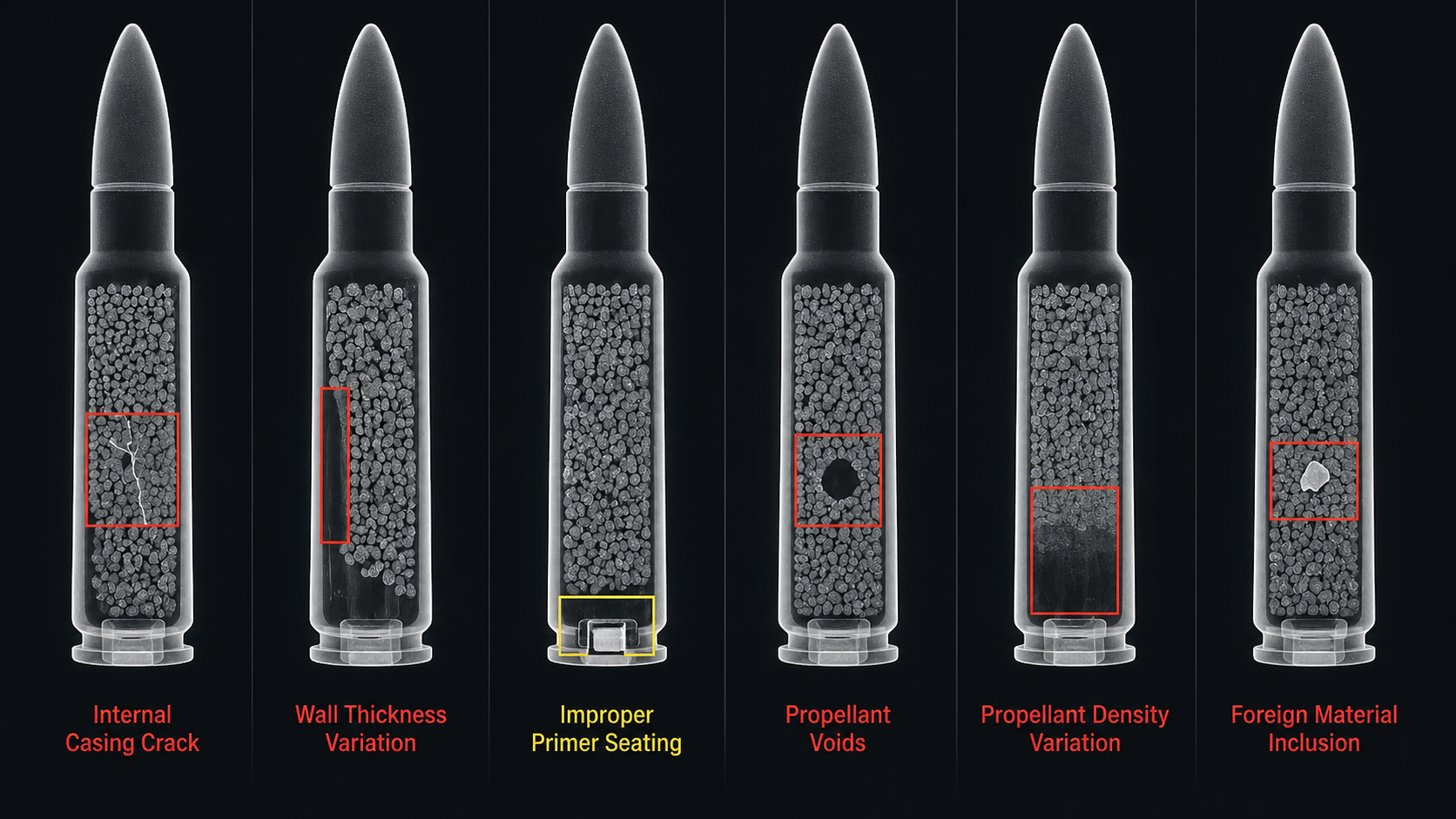
X-ray Inspection of Ammunition Manufacturing: Common Internal Defects Detected Through Non-Destructive Testing (NDT)
Why Traditional Inspection Methods Are No Longer Enough
Modern ammunition production lines operate at high volumes while maintaining extremely tight tolerances. Manufacturers must verify both dimensional accuracy and internal integrity among thousands or even millions of units.
While dimensional gauges, weight checks, and visual inspections remain important, they provide only partial information.
Consider a cartridge that passes every external inspection:
- Correct dimensions
- Acceptable weight
- Proper external appearance
- No visible damage
Despite meeting these criteria, the same cartridge may still contain:
- Internal cracks
- Incomplete propellant distribution
- Primer misalignment
- Wall thickness variations
- Foreign material contamination
Without internal inspection capabilities, these defects may remain undetected until field deployment. This is where industrial radiography delivers significant value.
Modern quality assurance is no longer limited to defect detection alone; it has evolved into a proactive risk management approach where inspection data is used to prevent failures before they occur. This shift allows manufacturers to reduce operational risks, improve compliance, and enhance product reliability through predictive quality control systems. This approach is explored further in inspection as a risk management approach in advanced manufacturing quality control.
To understand its value, consider what X-ray inspection can reveal inside ammunition.
Unlike surface inspection technologies, industrial X-ray systems visualise internal structures in real time.
Manufacturers can evaluate:
- Ammunition casing integrity
- Primer positioning
- Propellant distribution
- Internal voids
- Component alignment
- Material inclusions
- Structural discontinuities
- Assembly defects
By inspecting internal features without disassembly, X-ray becomes one of the most effective forms of non-destructive testing used throughout the defence industry.
Critical Defects Detected Through X-Ray Inspection
1. Ammunition Casing Defects
The casing serves as the cartridge’s support base. Any weakness can affect chamber pressure management and ballistic performance.
Using radiographic inspection of ammunition casing integrity, manufacturers can identify:
- Internal cracks
- Wall thinning
- Material inclusions
- Manufacturing voids
- Forming inconsistencies
Even small structural irregularities can impair long-term storage stability and practical reliability.
2. Primer Seating Verification
Primer performance directly influences ignition consistency.
Improper seating can result in:
- Delayed ignition
- Misfires
- Inconsistent firing characteristics
- Reliability concerns
With industrial radiography for primer seating inspection, quality engineers verify proper placement, alignment, and assembly integrity without dismantling the cartridge.
3. Propellant Fill Level and Density Verification
One of the most important applications of X-ray inspection entails verifying internal propellant conditions.
Manufacturers increasingly apply NDT for propellant fill level verification in ammunition to confirm:
- Correct fill volume
- Uniform distribution
- Density consistency
- Absence of voids
- Material segregation
Preserving consistent propellant characteristics is essential for predictable ballistic performance.
Defects, Risks, and X-Ray Detection Abilities
Manufacturing Defect | Potential Operational Impact | Detectable by Visual Inspection | Detectable by X-Ray Inspection | Quality Risk Level |
Internal casing crack | Structural failure under pressure | No | Yes | Critical |
Wall thickness variation | Inconsistent pressure containment | No | Yes | High |
Improper primer seating | Misfire or delayed ignition | Limited | Yes | Critical |
Propellant voids | Unpredictable ballistic performance | No | Yes | Critical |
Density variation in propellant | Velocity inconsistency | No | Yes | High |
Foreign material inclusion | Functional failure | No | Yes | High |
Assembly misalignment | Reduced reliability | Limited | Yes | Medium-High |
Surface deformation | Cosmetic or functional issues | Yes | Yes | Medium |
This comparison highlights why X-ray inspection has become a key element of modern defence manufacturing quality programs.
Supporting Compliance with Military Standards
Defence manufacturers frequently operate under strict quality requirements, including military specifications, government procurement standards, and customer-specific acceptance criteria.
Meeting these requirements demands more than simple pass/fail inspections.
Manufacturers must demonstrate:
- Process control
- Inspection traceability
- Defect documentation
- Product consistency
- Compliance with military acceptance standards
X-ray inspection strengthens compliance efforts by giving objective evidence of internal product quality.
When a defect is detected in production or in-service components, the next critical step is understanding its origin. Root cause analysis allows manufacturers to trace failures back to process-level issues such as material inconsistencies, assembly errors, or process deviations, helping prevent recurrence and improve long-term quality control strategies. A detailed explanation of this process can be found in how CT scanning accelerates root cause failure analysis in industrial inspection.
How XRAY-LAB Supports Defence Quality Assurance
Defence and ammunition manufacturers require inspection solutions that deliver accuracy, repeatability, and traceability.
XRAY-LAB provides advanced industrial X-ray and computed tomography (CT) inspection services that support the demanding requirements of defence manufacturing and ordnance quality assurance.
The core capabilities include:
- Ballistic component inspection
- Ammunition casing evaluation
- Primer seating verification
- Propellant density verification
- Internal defect analysis
- Assembly validation
- Root-cause failure investigations
- Production process improvement
By using high-definition imaging systems, XRAY-LAB enables manufacturers to find hidden defects before products move further through production or enter service.
For critical defence applications, this added inspection layer reduces risk and strengthens confidence in product performance.
As defence systems become more sophisticated, manufacturers are placing greater emphasis on preventive quality assurance rather than post-failure investigation.
The ability to identify defects early delivers measurable advantages:
- Reduced scrap and rework costs
- Improved manufacturing consistency
- Enhanced compliance readiness
- Better traceability
- Lower field failure risk
- Increased confidence in product reliability
This shift drives defence manufacturers worldwide to expand adoption of X-ray quality control across ammunition production facilities, component suppliers, and military equipment manufacturers.
Conclusion
In defence manufacturing, reliability is not simply a performance objective; it is a requirement.
Many of the defects that can affect ammunition performance originate within the product and are beyond the reach of conventional inspection methods. From casing wall-thickness variations and primer seating defects to propellant density inconsistencies, these hidden issues can have serious consequences if left undetected.
By integrating non-destructive testing of defence components with X-ray, manufacturers verify internal quality, strengthen compliance efforts, and reduce operational risk.
As military standards continue to evolve and quality expectations become increasingly rigorous, X-ray inspection is becoming a key part of modern ammunition manufacturing and defence quality assurance.
Frequently Asked Questions
What is X-ray inspection of ammunition manufacturing?
X-ray inspection is a non-destructive testing method used to examine the internal structure of ammunition and defence components for hidden defects and assembly issues.
Can X-ray systems verify propellant fill levels?
Yes. Industrial X-ray systems can verify propellant fill levels, distribution arrangements, and density consistency without opening the cartridge.
Why is primer seating inspection important?
Improper primer seating can lead to ignition delays, misfires, and inconsistent ballistic performance. X-ray inspection allows manufacturers to verify proper assembly.
What defects can X-ray inspection detect in ammunition?
Common defects include internal cracks, wall thickness variations, voids, inclusions, primer misalignment, assembly defects, and propellant inconsistencies.
How does X-ray inspection support military quality standards?
X-ray inspection provides documented evidence of internal product integrity, supporting traceability, compliance verification, and defence quality assurance programs.
How does XRAY-LAB help defence manufacturers?
XRAY-LAB provides industrial X-ray and CT inspection services that help manufacturers detect hidden defects, improve product reliability, strengthen compliance, and support advanced failure analysis.