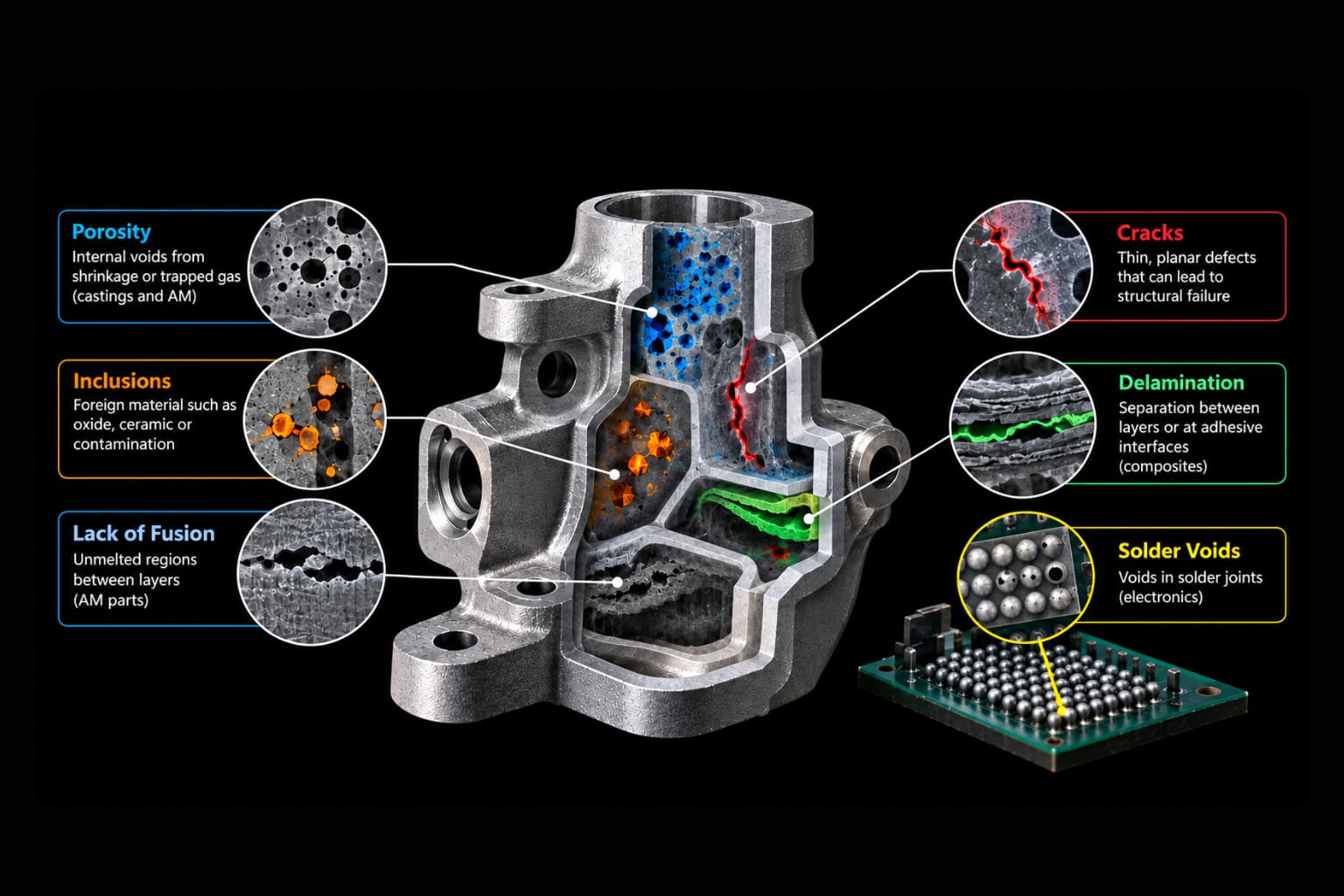
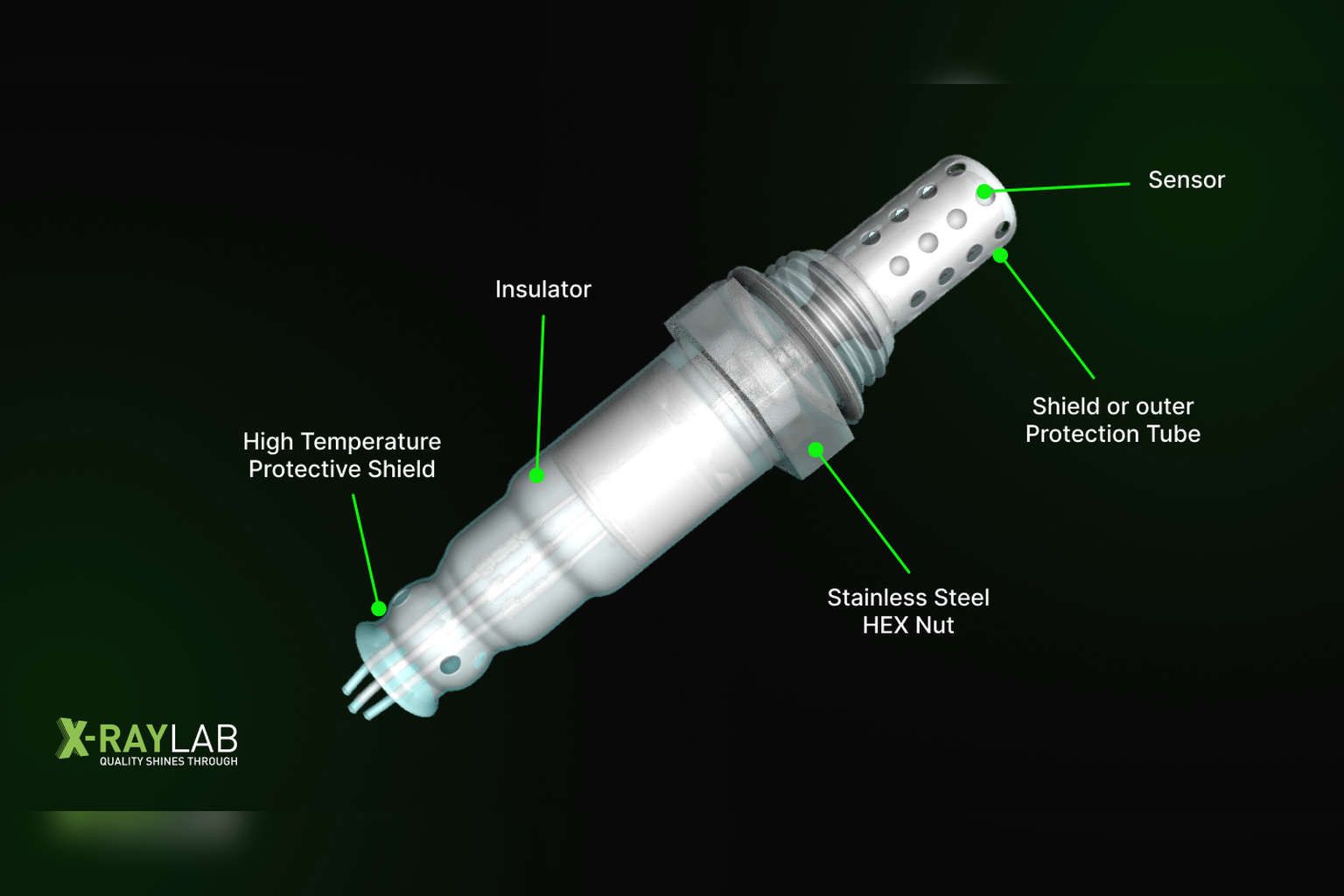
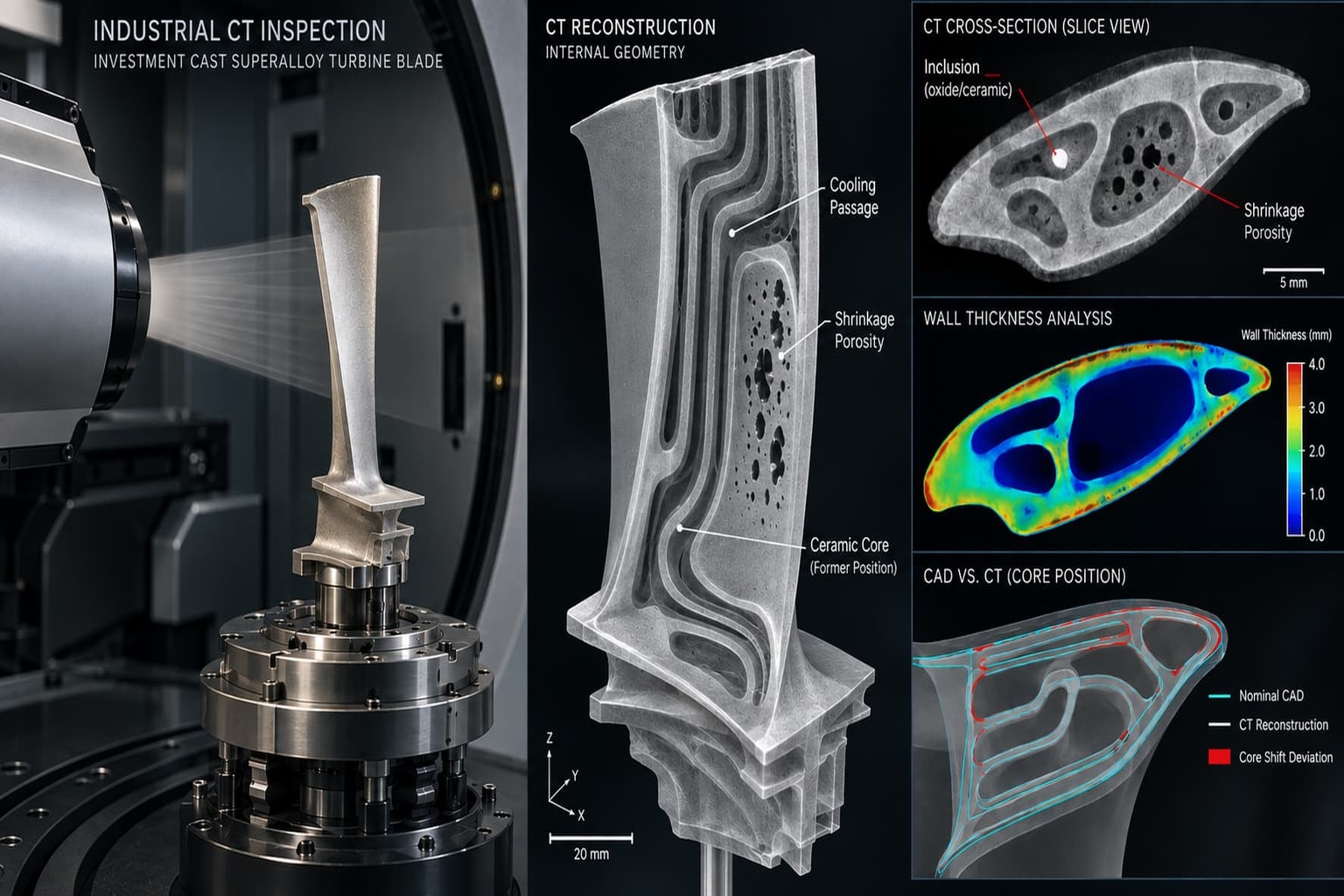
With the increasing usage of electric vehicles across the globe, lithium-ion batteries have been made to stand at the forefront of innovative development within the automobile industry. The lithium-ion batteries are much more than simple power banks; in fact, they constitute complex mechanisms that require high performance, reliability, and safety.
However, despite these considerations, there exist several factors that compromise the performance of lithium-ion batteries due to inherent cell flaws that cannot be determined either by manual or any other superficial testing procedures. It is here that non-destructive X-ray inspection NDXI, an innovative imaging-based quality assurance procedure comes into the picture, which allows experts to examine every component of the battery.
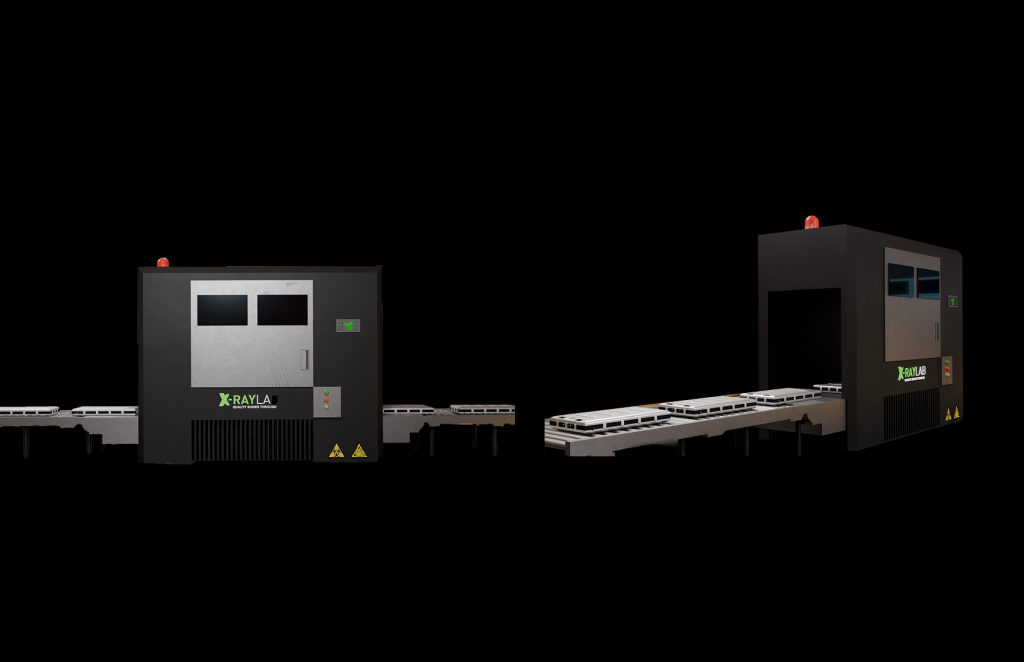
Inline non-destructive X-ray inspection system at Xray-Lab analyzing electric vehicle battery modules for internal defects and structural consistency.
The Role of X-ray Inspection in EV Battery Safety and Performance:
The modern-day batteries used in electric vehicles are advanced lithium-ion batteries which feature several densely packed cells and electrical paths, together with effective thermal management systems. As a way to improve the safety of EV batteries, car manufacturers are applying the concept of X-Ray inspection technology for spotting any misalignment of electrodes, any welding defects, and any gas pockets.
Such hidden defects can result in poor performance. In worst-case scenarios, overheating and battery fires may result from such defects. High definition X-Ray Imaging helps to give an excellent look at the inner part of the battery, thus ensuring that safety standards are strictly maintained. To generate images, manufacturers are required to expose batteries to very energetic X-Rays, which pass through various parts of the battery and show variations in their density.
Such variations are then used to produce high-definition images. 2D Radiography is used for shallow analysis. To visualize all components of a battery internally, manufacturers use 3D CT scans or real-time imaging techniques.
Common EV Battery Defects Detected via X-ray Inspection
Defect Type | Description | Potential Consequence |
Electrode Misalignment | Overlapping or shifted electrodes within the cell stack | Uneven current flow, capacity loss |
Weld Voids or Cracks | Incomplete bonding at terminals or bus bars | Overheating, disconnection, failure |
Gas Pockets/Bubbles | Trapped gases in electrolyte or sealed areas | Swelling, pressure buildup, reduced efficiency |
Foreign Particles | Contaminants like metal dust or fibers inside the cell | Short circuits, chemical instability |
Internal Short Circuits | Direct contact between anode and cathode due to material shift | Fire, thermal runaway, catastrophic failure |
Having the ability to identify internal flaws before deployment not only eliminates safety risks but enhances long-term performance and customer confidence.
Why Non-Destructive Testing Is Essential in EV Manufacturing?
In situations where high productivity and strict quality assurance should go hand in hand, it becomes necessary to have NDT with the help of X-ray Non-Destructive Testing. Different from conventional methods of dismantling batteries, NDT X-rays will not destroy the product while making it easier to detect flaws in it. In other words, the whole lot can be screened without halting production, thus saving on any expenses related to waste disposal.
Also, NDT makes it possible to use the system of complete digital non-destructive testing that will generate inspection reports that comply with international safety requirements such as ISO 6469 and IEC 62660. Inline X-rays with AI detection systems have already been used by companies like Tesla, CATL, and BMW as a way to streamline processes and minimize the involvement of people. The growing popularity of electric vehicles requires more fast, accurate, automated, and scalable inspection systems.
Future of EV Battery Inspection: AI, Automation, and Predictive X-ray Testing
Looking ahead, the integration of AI and predictive X-ray inspection is reshaping how EV batteries are manufactured, maintained, and recycled. By combining non-destructive X-ray imaging with real-time analytics, manufacturers can detect trends, anticipate failures, and optimize battery design based on actual data. These smart inspection systems can even help train digital twins; virtual replicas of battery systems that simulate performance under different conditions.
Current vs Future X-ray Inspection Technologies in EV Manufacturing
Aspect | Current X-ray Inspection | Emerging/Future Trends |
Imaging Type | 2D radiography, 3D CT, real-time imaging | AI-assisted multi-modal X-ray, hyperspectral imaging |
Speed & Throughput | Moderate (hundreds per hour with automation) | High-speed inline AI prediction, real-time adjustment |
Analysis | Manual or rules-based software | Deep learning, predictive analytics, defect forecasting |
Deployment Scope | In-factory, quality control stations | Field-ready portable units, recycling and repair facilities |
Integration | Semi-automated systems | Fully integrated Industry 4.0 digital twin ecosystems |
Additionally, the development of portable X-ray units will expand inspection capabilities beyond factories. Field technicians and recycling facilities will soon be able to evaluate battery packs in used EVs or second-life applications without disassembly, making inspection more sustainable and accessible. As EV technology evolves, so too will the tools that ensure its safety, and non-destructive X-ray inspection will remain at the forefront of that evolution.
Conclusion
In an industry where safety, performance, and precision intersect, non-destructive X-ray inspection serves as a silent guardian. It gives manufacturers the superpower to peer deep inside every battery cell, without ever opening it, and identify risks that could otherwise lead to costly failures or safety hazards. As the EV industry continues its rapid growth, this technology is not just keeping pace, it’s leading the charge. By revealing the invisible and converting hidden risks into actionable insights, X-ray inspection ensures safer, smarter, and more sustainable electric vehicles for the future.
XRAY-LAB specializes in advanced non-destructive X-ray and CT inspection solutions for industries like electric vehicles and aerospace. We provide fast, accurate defect detection with certified systems and expert analysis to ensure product quality, safety, and compliance.
Frequently Asked Questions
What Internal Defects in EV Batteries Can X-Ray Inspection Detect?
Numerous internal flaws in lithium-ion EV batteries, such as electrode misalignment, weld voids, trapped gas pockets, foreign particles, and internal short circuits, can be found by X-ray inspection. If left unnoticed, these defects may cause major issues like thermal runaway, overheating, or capacity loss. Non-destructive X-ray imaging helps ensure that each cell meets stringent safety and performance standards before it reaches the consumer.
How Is Non-Destructive X-Ray Testing Used During EV Battery Production?
Non-destructive X-ray testing is employed inline during EV battery manufacturing to examine individual cells, modules, and entire packs without disassembling them. It assists producers in minimising waste, detecting serious flaws in real time, and maintaining constant quality control without stopping production. Large-scale EV manufacturing is supported by quick, automated screening made possible by high-resolution imaging and AI algorithms.
Can X-Ray Inspection Help Predict EV Battery Failures Before They Happen?
Yes. Modern X-ray systems can evaluate imaging data to find early warning indications of deterioration or failure by integrating AI and predictive analytics. Manufacturers can predict possible failure modes, optimise design, and apply proactive quality controls to produce safer, longer-lasting electric vehicle batteries by building digital twins and modelling battery behaviour.