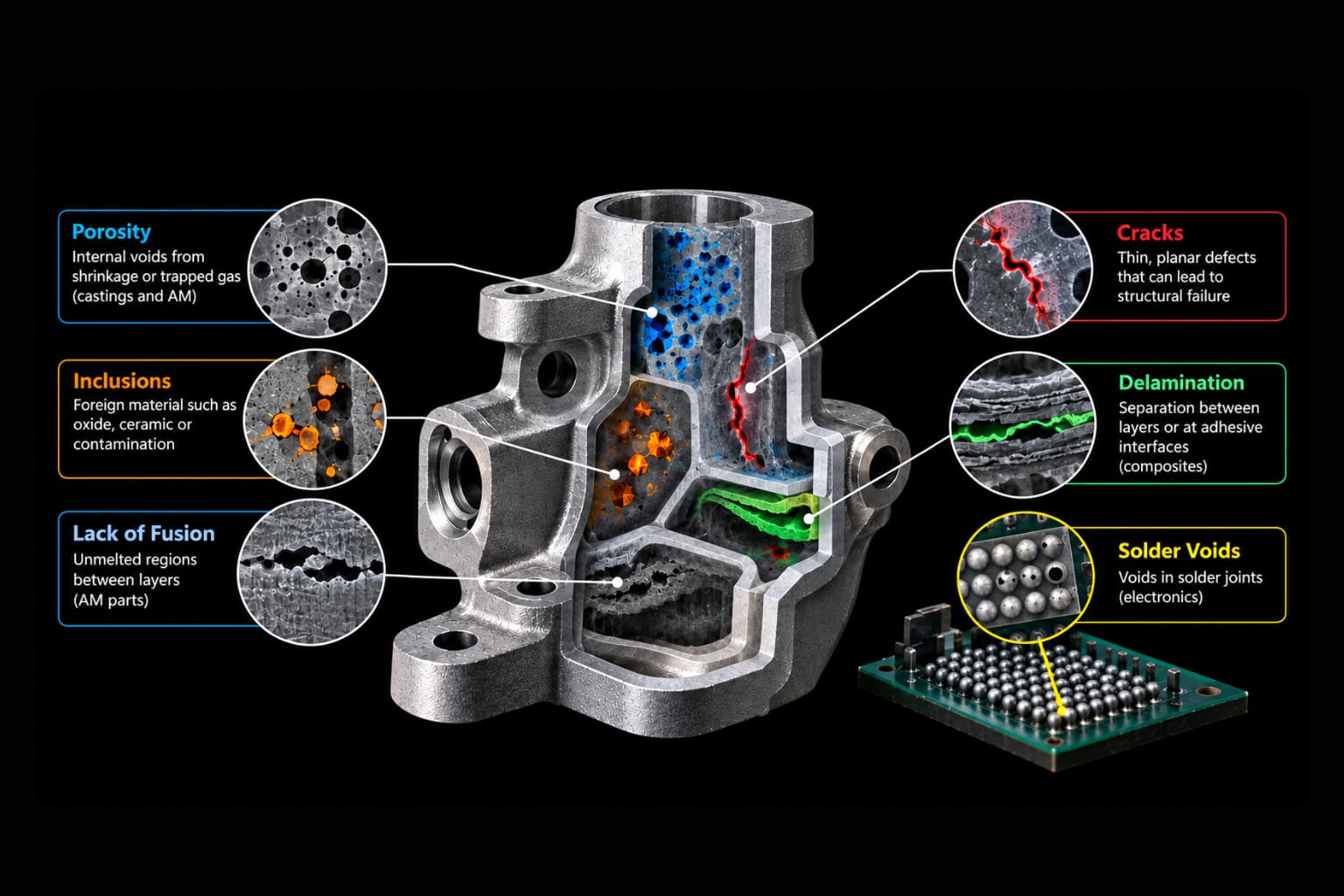
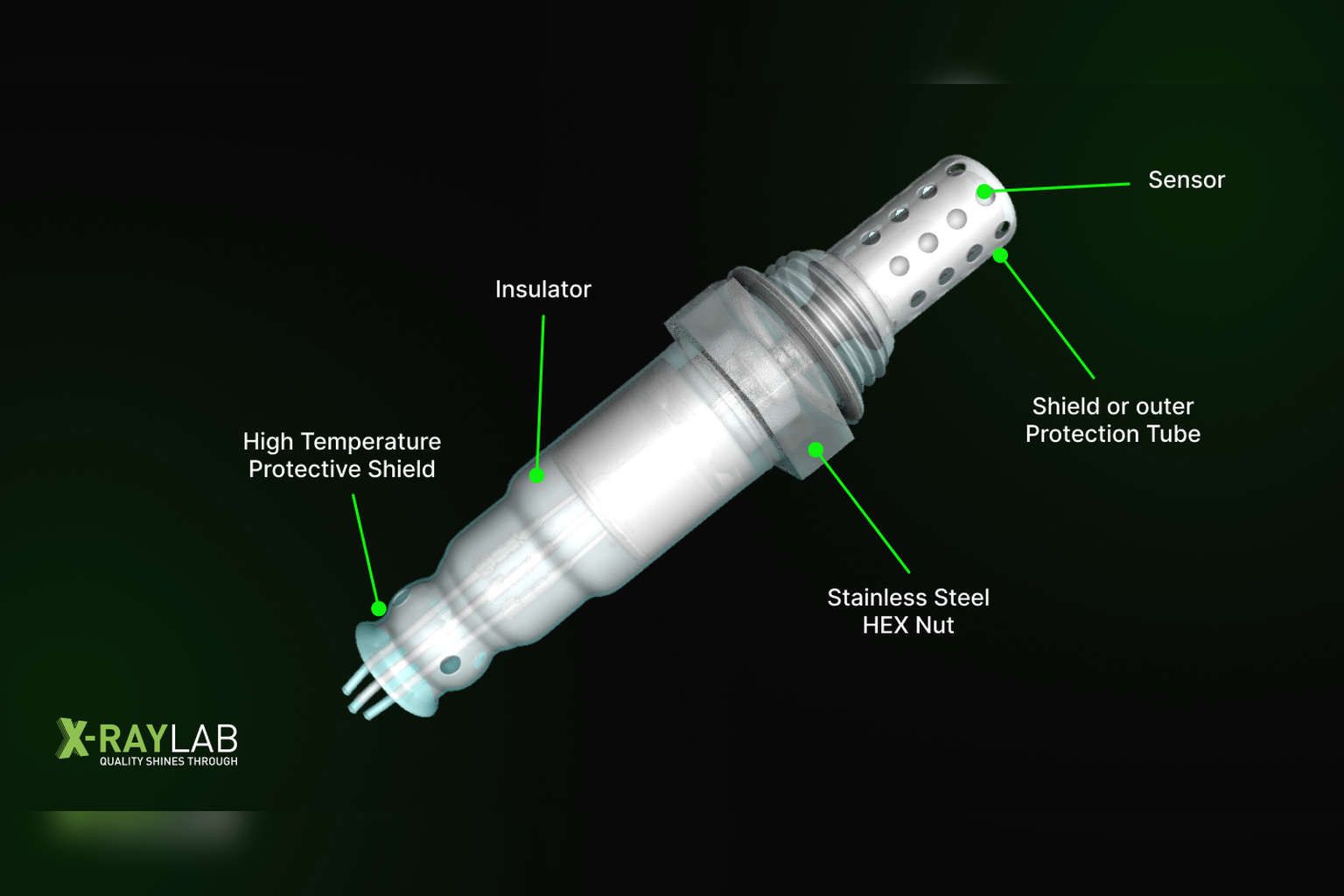
Non-destructive testing (NDT) is not just an inspection method; it forms the very foundation of reliability in current production processes. Through non-destructive testing, defects within the material or component can be detected without damaging them, ensuring safety and reliability. Industries such as aerospace, automotive, electronics, and energy depend upon NDT for the production of reliable goods.
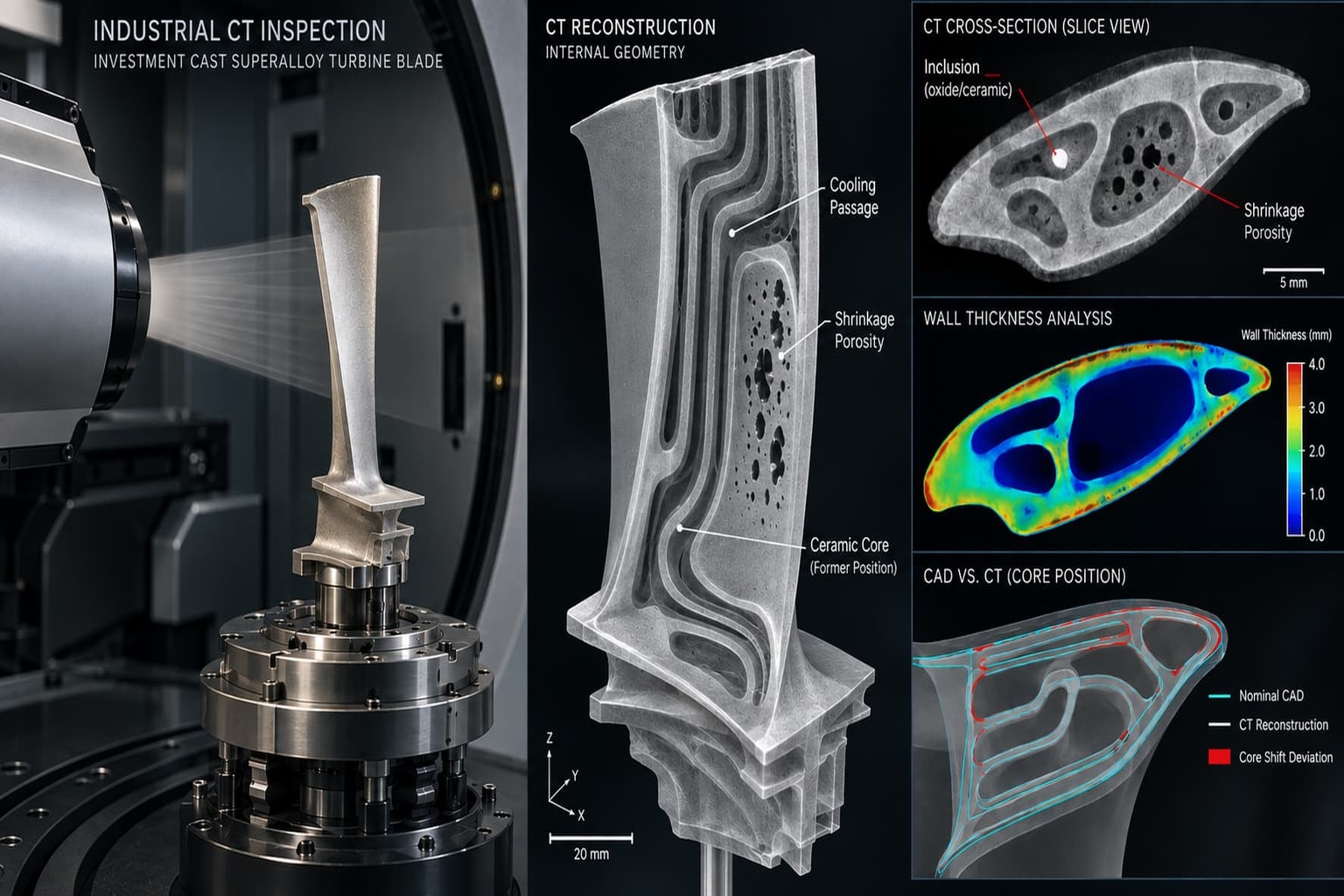
CT-based NDT inspection of a turbine blade at XRAY-LAB GmbH & Co. KG — ensuring structural integrity, reliability, and defect-free performance without damaging the part.
Hidden Defects, Big Risks: Why Safety Comes First
Any minor defect may result in dangerous outcomes. Even a small defect like a crack in an aircraft engine or a poorly welded part in a construction material can be responsible for the collapse and cause major damage if not identified beforehand. That’s what makes NDT an indispensable tool in ensuring the security of human lives and property. In this regard, the identification of defects like cracks or voids prior to the product launch allows meeting international safety requirements.
Beyond the Surface: Ensuring Consistent Quality
Reliability is built on consistency, and NDT gives manufacturers the tools to guarantee that every unit meets the same high standard. Unlike traditional inspections that only reveal surface-level issues, NDT techniques like X-ray imaging, ultrasonic testing, and computed tomography (CT scanning) allow engineers to look inside materials and assemblies without dismantling them. This ability to identify internal flaws ensures consistent quality across entire production runs, reducing variability and strengthening customer trust.
The Smart Way to Save Costs and Reduce Waste
Amongst other benefits, one can also point at economy as a significant positive aspect of using NDT. Since it is non-destructive, no costs will be associated with reworking the defective parts. The timely detection of defects allows to prevent any delays during manufacturing and eliminates the need for recalling products which results in huge money savings. Also, the use of NDT supports sustainability efforts through minimizing waste and extending product lifespan.
Powering Innovation Across Industries
The uses of NDT are as varied as the number of industries it caters to. It maintains the integrity of parts used in aircraft in the field of aerospace. For the automobile industry, it helps inspect welds, castings, and battery systems of advanced electrical cars. For electronics manufacturing, it detects defects that might lead to failure of consumer products or industrial goods. The energy industry is one where it helps in checking pipelines and turbines, and renewable energy systems.
Looking Ahead: NDT as a Strategic Advantage
Non-destructive testing is no longer just a technical step in production—it is a strategic advantage. As industries move toward smarter manufacturing, NDT is evolving with innovations such as AI-driven defect detection, inline CT scanning, and digital twin integration. These advancements make inspections faster, more precise, and more predictive, ensuring products are not only reliable today but also future-ready. For manufacturers striving to compete in demanding global markets, adopting advanced NDT is an investment that pays dividends in safety, efficiency, and customer trust. In the end, it is not just about detecting flaws—it is about building reliability from the inside out.
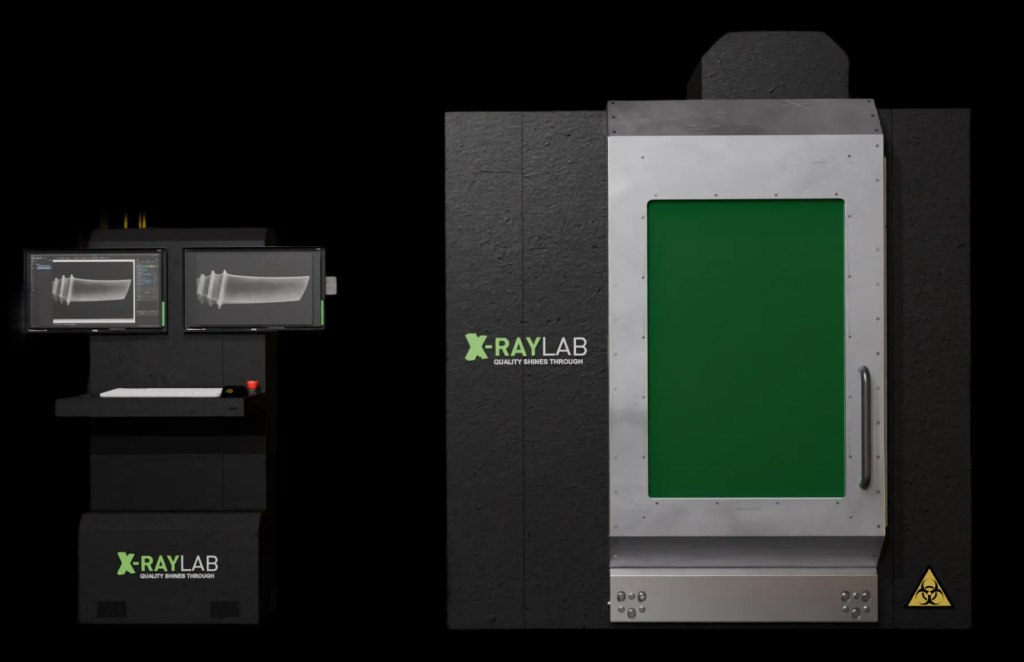
XRAY-LAB also provide advanced NDT services, offering solutions such as X-ray imaging, CT scanning, and ultrasonic testing for industries worldwide. XRAY-LAB GmbH & Co. KG’s expertise helps manufacturers ensure safety, quality, and long-term product reliability.
Frequently Asked Questions
Why is NDT Considered the Backbone of Product Reliability?
NDT detects hidden flaws without damaging materials, ensuring safety, consistency, and long-term performance across industries.
How does NDT Improve Safety in Critical Industries?
By identifying cracks, voids, or weak welds before products are used, NDT prevents failures in aerospace, automotive, and energy systems.
Is NDT Cost-Effective for Manufacturers?
Yes. NDT reduces scrap, prevents recalls, and extends product lifecycles—cutting costs while supporting sustainability goals.
What types of NDT Methods are Commonly Used?
Popular methods include X-ray imaging, ultrasonic testing, and CT scanning, each designed to reveal different kinds of internal defects.
How is NDT Evolving with Modern Manufacturing?
NDT now integrates AI, inline CT scanning, and digital twins, enabling faster, more precise, and predictive quality inspections.