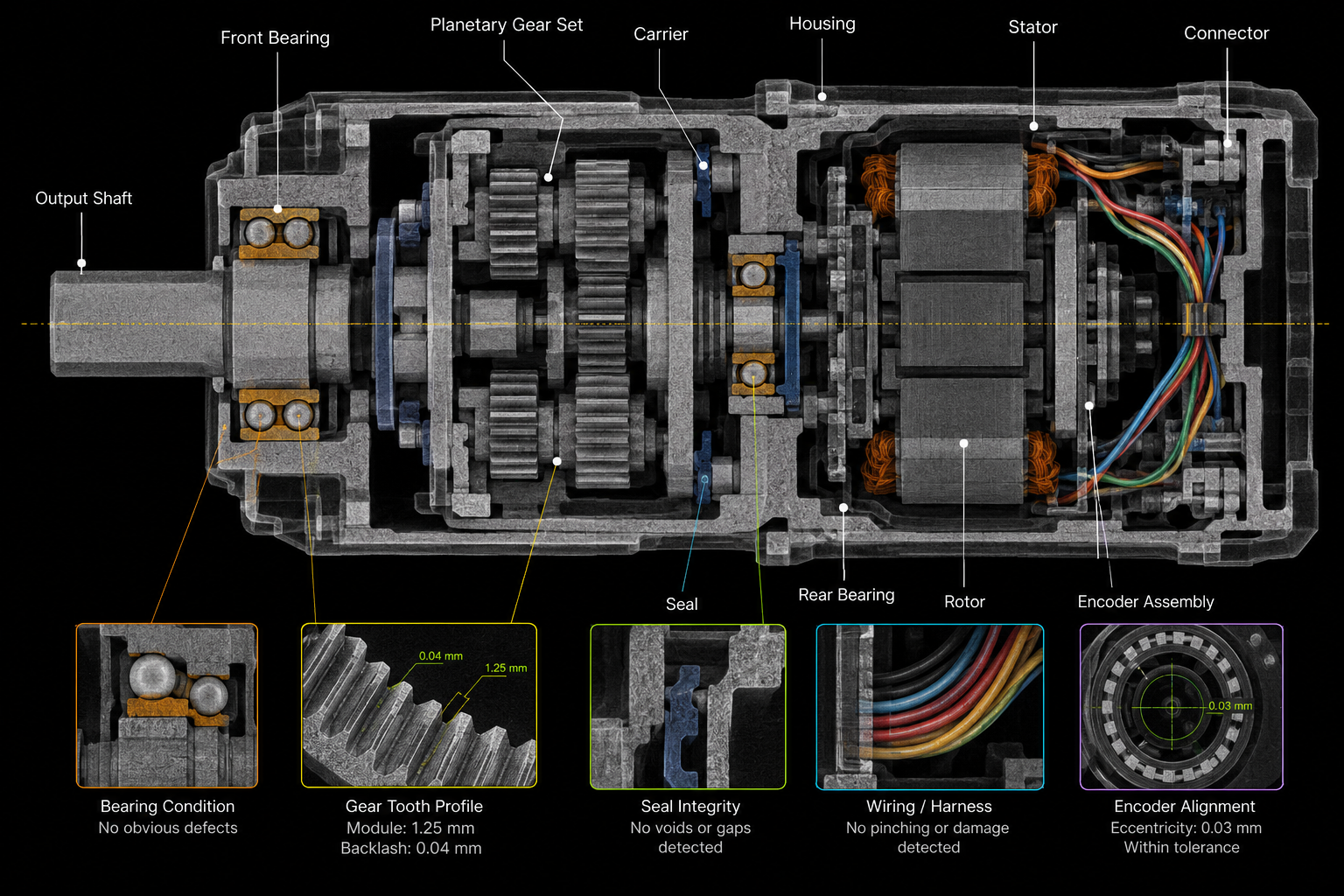
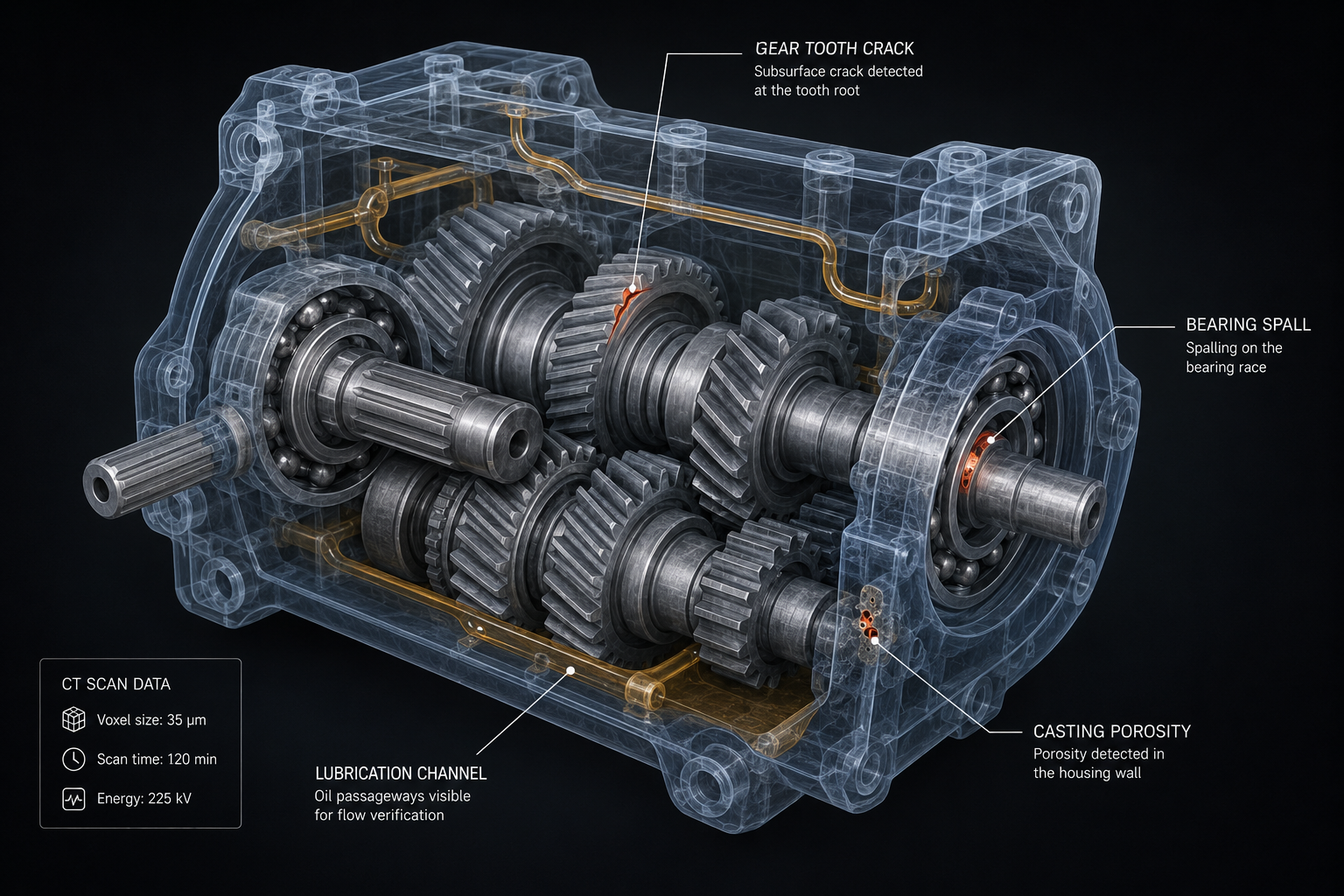
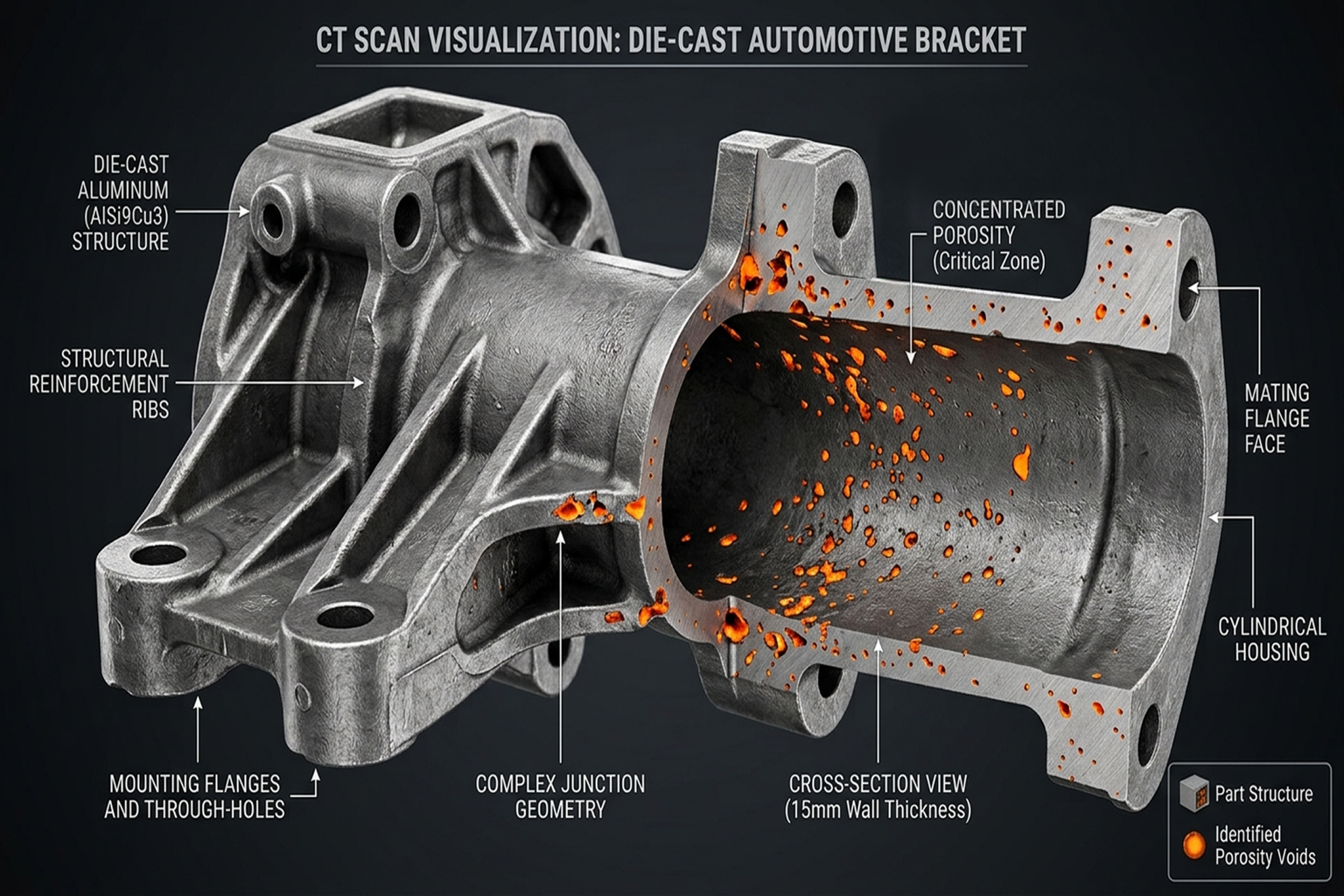
While mechanical switches may seem uncomplicated from the outside, they have very sophisticated and highly accurate components inside, which directly impact the electrical performance, reliability, and longevity of operation. Even the slightest misalignment or wear inside may interfere with the performance, reliability, or function of the electrical switch.
Where switches are subjected to mechanical strain or difficult environments during use, manufacturers need inspection techniques that allow them to identify any defects present internally, without causing any damage to the component itself.
This is where industrial CT scanning becomes particularly useful.
Industrial CT scanning makes it possible for engineers to examine the entire internal structure of the mechanical switch using high-definition 3D imagery. The internal components such as contacts, springs, connectors, the structure of the housing, or wear patterns can be tested in a way that does not damage the part.
Such a technique is of significant value to manufacturers who focus on producing highly accurate electrical switches.
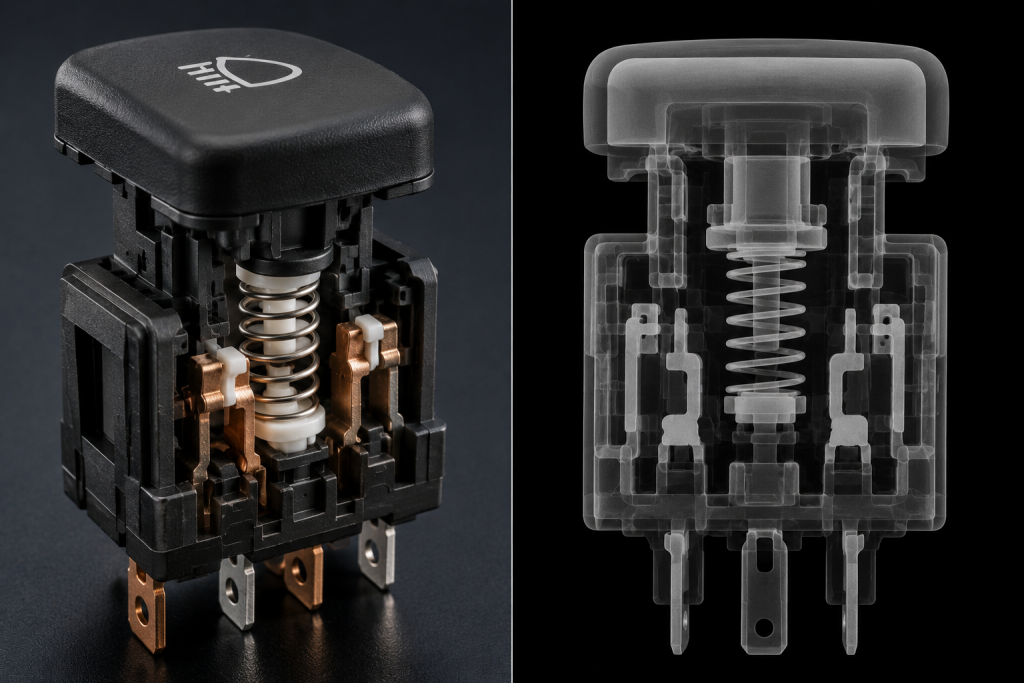
Industrial CT scan comparison of a mechanical switch showing internal contact points, spring alignment, and non-destructive inspection of internal switch geometry.
Why Mechanical Switch X-Ray Inspection Matters
In addition, mechanical switches play a significant role in many sectors. Switches in automotive applications must be able to withstand vibrations, varying temperatures, and repeated switching cycles during their extensive lifecycles. Switches in aerospace electronics should exhibit high levels of accuracy and durability under demanding conditions. Stability in industrial switches is crucial in ensuring the safety of the operations while smaller sizes are more important in consumer electronic switches.
Often, switch malfunction occurs from internal causes before any external symptoms manifest.
Issues such as deformation, spring fatigue, internal contamination, degradation, or improper alignment might start developing within the switch but go unnoticed using traditional methods of inspection.
With industrial CT, engineers have the advantage of visualizing the whole switch internally without disassembling it. This allows an analysis of the switch structures at each level and any problems with interfaces that are not evident through any other technique.
Similar hidden defect analysis techniques are explored in X-Ray Inspection of Microelectronics: Detecting Hidden Defects in PCB Assemblies
Industrial CT inspection solves this limitation by enabling full internal visualization without disassembly.
The Advantages of Non-Destructive Switch Analysis
Conventional approaches to switch inspection involve destructive testing or disassembly procedures, which are not conducive to repeat testing and leave a permanent mark on the tested sample.
There are several key benefits to using industrial CT scanning to test switches, since the original configuration is maintained despite revealing inner components.
Manufacturers benefit from:
- Full internal visualization
- High-resolution 3D analysis
- Non-destructive testing
- Internal dimensional verification
- Defect detection without teardown
- Faster failure investigation
- Improved quality control workflows
This makes industrial CT especially valuable for miniature switches, precision electronic assemblies, and components with complex internal geometries.
As electronic systems continue becoming more compact and mechanically sophisticated, non-destructive switch analysis is becoming increasingly important across multiple industries.
Broader applications of non-destructive CT inspection are covered in What Is Industrial CT Scanning? A Complete Guide for Manufacturers
Industry Applications for Mechanical Switch CT Inspection
Industrial computer tomography plays an essential role in switch inspections in various industries requiring reliability and accuracy.
Automotive Switches: Automotive switches function in environments characterized by constant vibrations and temperature fluctuations. CT can help to ensure the durability and integrity of internal structures.
Industrial Control Systems: Equipment that is industrial requires switches that perform flawlessly and without fail. Internal defects are one of the causes of unplanned system failure.
Consumer Electronics: Electronic devices are manufactured in large quantities. Therefore, they need reliable internal structures and switches that fit in a small area.
Aerospace Electronics: The aerospace industry has high standards regarding reliability of electronics. Industrial computer tomography ensures the highest levels of performance.
How XRAY-LAB Supports Mechanical Switch Inspection
XRAY-LAB provides advanced industrial CT and X-ray inspection solutions for precision mechanical and electronic assemblies.
The company supports manufacturers with:
- Mechanical switch X-ray inspection
- Industrial CT inspection
- Internal contact analysis
- Wear analysis
- Failure investigation
- Non-destructive testing
- High-resolution defect detection
- Assembly verification
With expertise in industrial X-ray and CT technologies, XRAY-LAB helps manufacturers improve reliability, identify hidden defects, and optimize product quality across demanding industrial applications.
Frequently Asked Questions
What Is Mechanical Switch X-Ray Inspection?
Mechanical switch X-ray inspection is a non-destructive method used to analyze the internal structure, contact points, springs, and assembly quality inside a switch.
Can Industrial CT Detect Internal Switch Defects?
Yes. Industrial CT scanning can reveal hidden defects such as contact deformation, spring misalignment, cracks, wear, and internal contamination.
Why Is CT Inspection Useful for Mechanical Switches?
CT inspection allows manufacturers to evaluate hidden internal structures without disassembling the switch, improving quality control and failure analysis accuracy.
What Industries Use Switch CT Inspection?
Industries including automotive, aerospace electronics, industrial controls, and consumer electronics commonly use industrial CT inspection for switch analysis.
Is Industrial CT Scanning Non-Destructive?
Yes. Industrial CT scanning preserves the original structure of the switch while providing detailed internal 3D visualization.