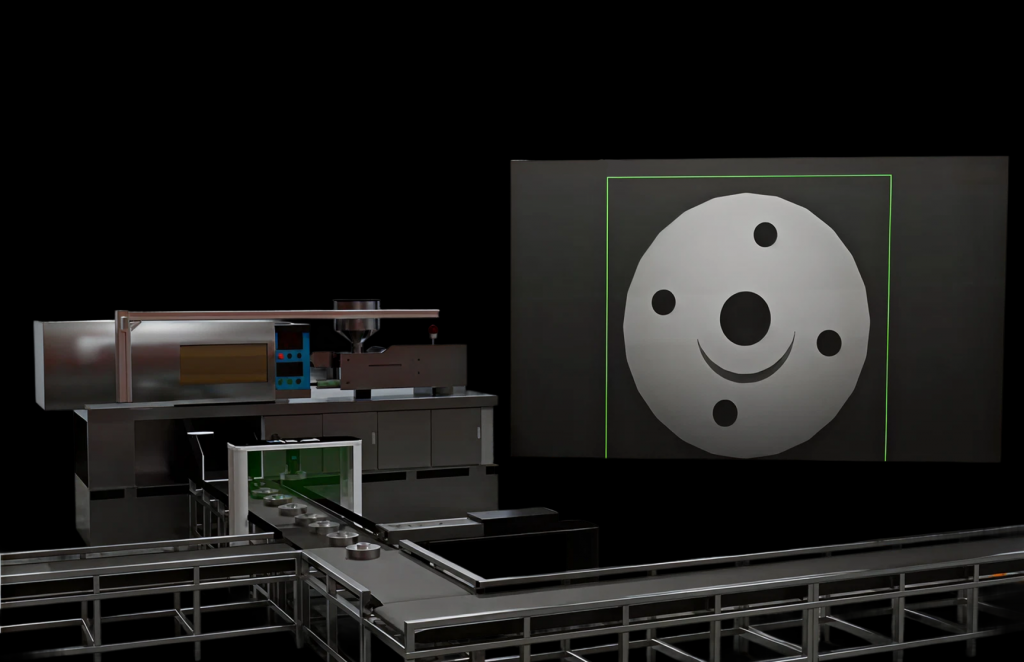
Industrial CT Meets AI: A New Era of Smart Inspection
A new era of inspection and quality control is dawning, one in which automation, speed, and accuracy are not mutually exclusive but rather complementary advantages.


A new era of inspection and quality control is dawning, one in which automation, speed, and accuracy are not mutually exclusive but rather complementary advantages.
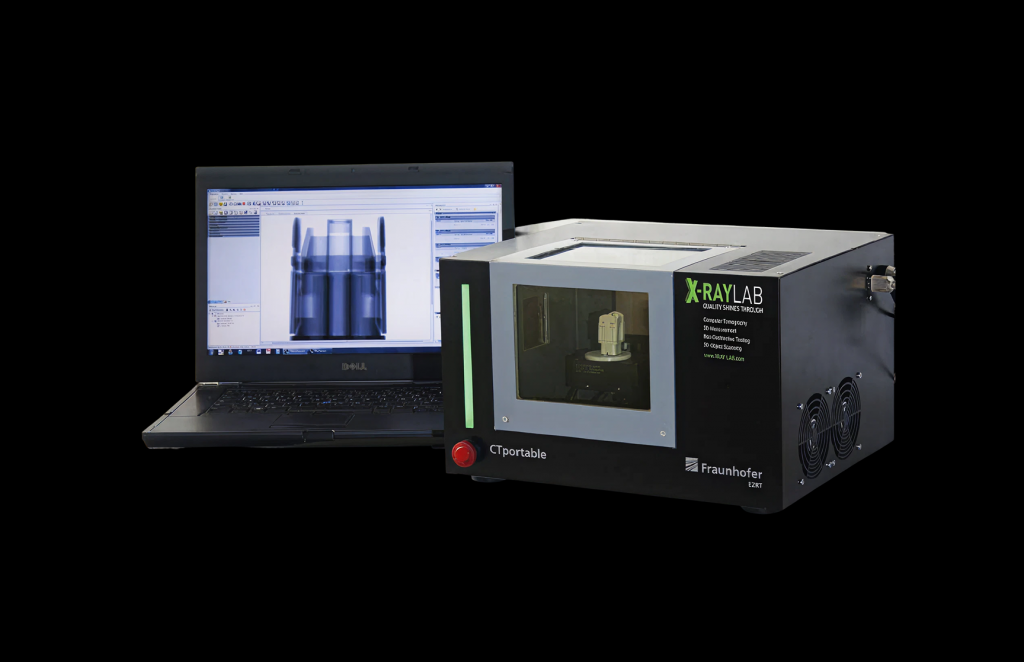
Retrofitting/upgrading X-ray inspection systems makes sense from a business perspective, as it allows plant operators to modernize their quality assurance systems while avoiding the costs of purchasing a new X-ray system.
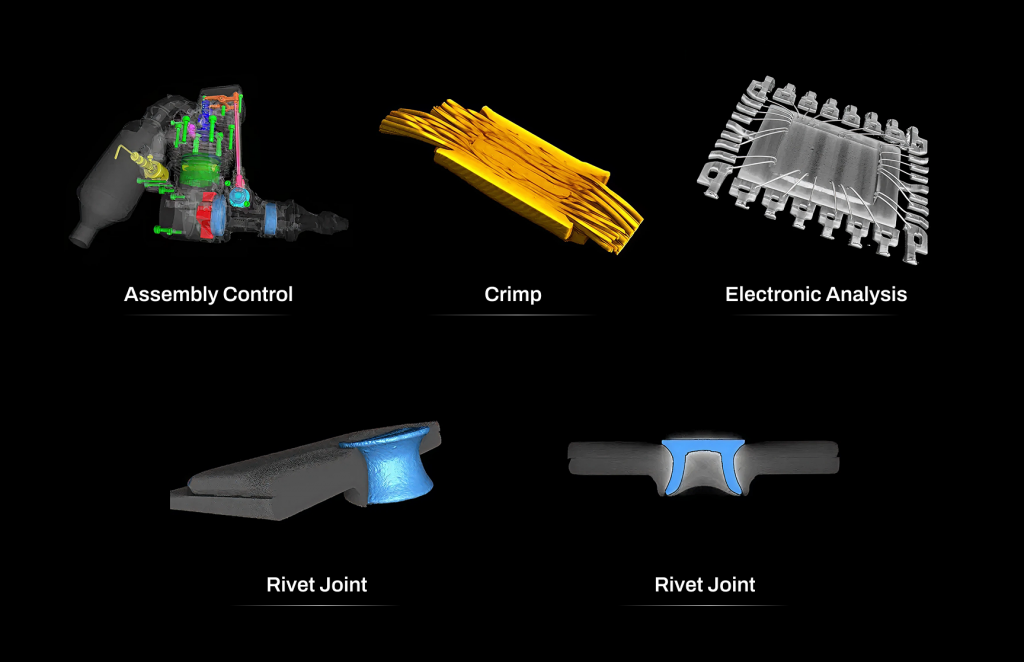
For more thorough part inspection and assessment, manufacturers, engineers, and designers are adopting modern Industrial Computed Tomography (CT) scans.
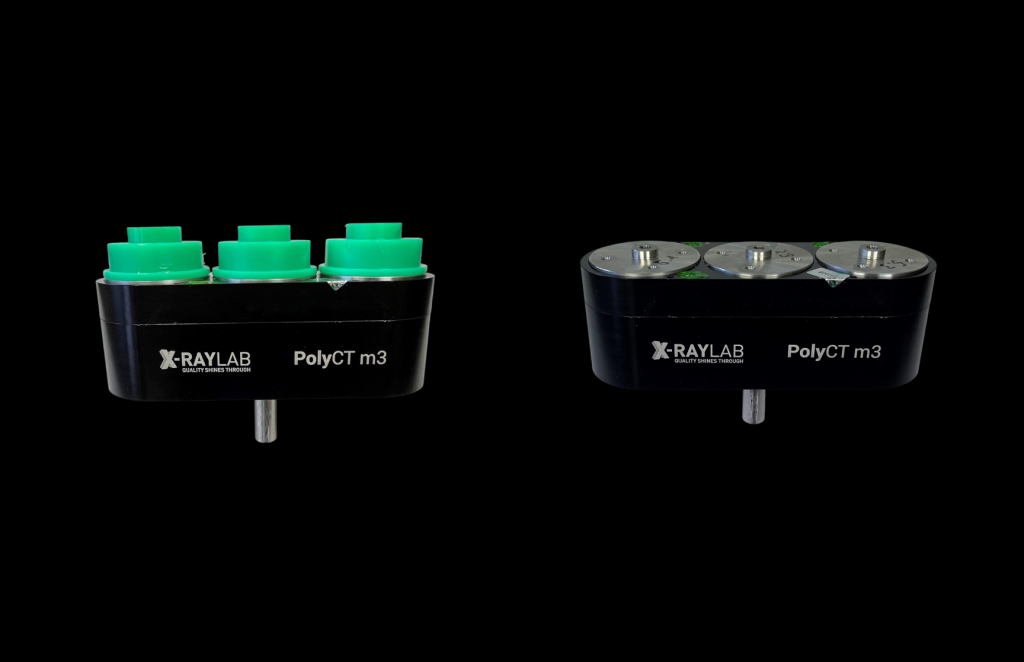
The PolyCT series represents a new generation of modular upgrade kits that enhance the efficiency, precision, and versatility of computed tomography (CT) systems by up to fivefold.
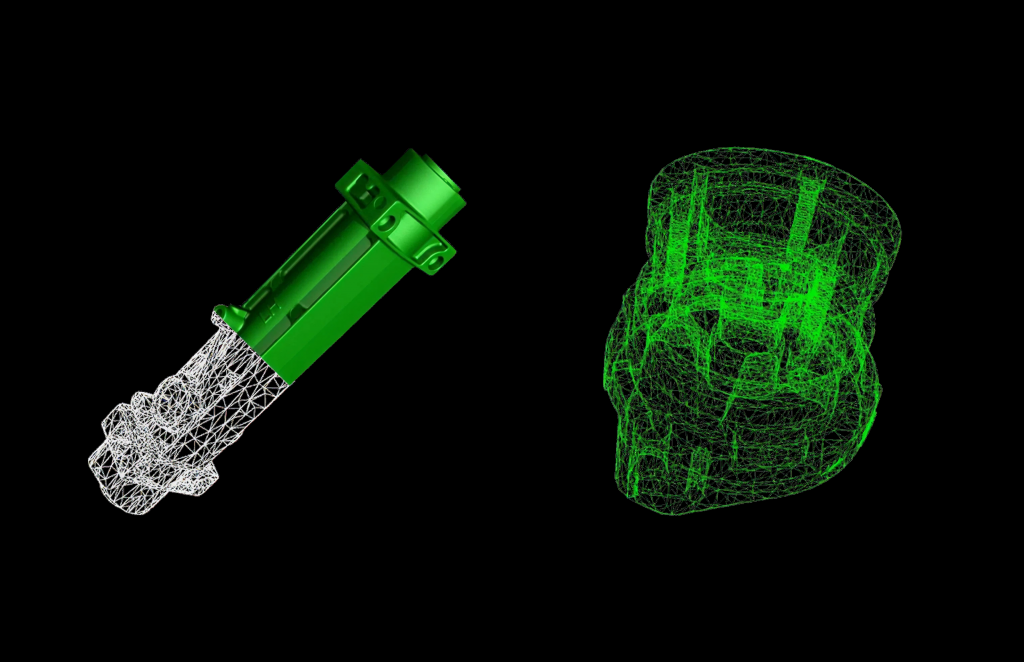
Surface triangulation plays a crucial role in enhancing 3D X-ray imaging, especially in the realm of assembly inspections. By converting 3D surface data into a precise triangulated mesh, this technique enables a more detailed and accurate inspection of complex assemblies.
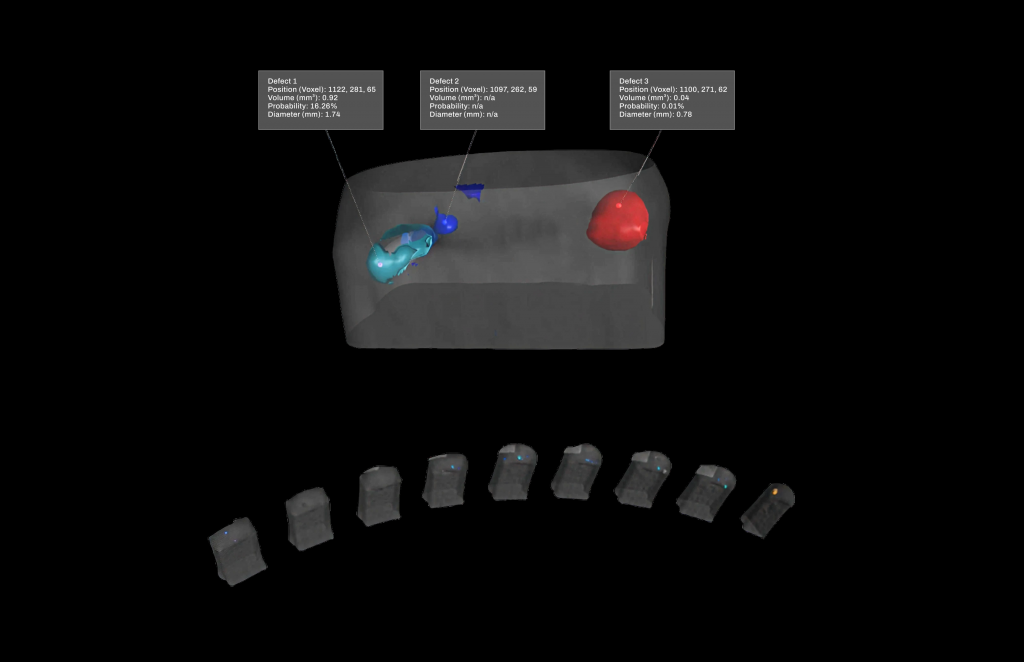
As electric motors become more compact and energy-efficient, the demand for precise and reliable hairpin weld analysis has increased significantly, especially in applications like electric vehicles (EVs) and high-performance industrial motors.

In industries today, from electronics and aerospace to automotive and composites, non-destructive evaluation (NDE) is no longer optional.

The advancement of quality inspection technologies AI and industrial computed tomography (CT) scanning has transformed practices in defect detection, product verification, and compliance within the manufacturing ecosystem.

Modern manufacturing is evolving at a rapid pace. Speed, precision, and automation are no longer optional, they are essential for staying competitive. Yet, traditional quality control methods, where parts are manually pulled from the line for inspection, are increasingly inefficient.
